I was standing in my kitchen, half‑heartedly scrolling through a sea of salad recipes, when my roommate shouted, “I dare you to make something that actually *tastes* like summer!” I laughed, grabbed a cucumber, a block of feta, and a bag of pearl couscous, and set a timer for disaster. The first attempt was a soggy mess that tasted like watered‑down vinaigrette, and I swore off salads for a week. But then, after a sleepless night of dreaming about crisp green ribbons and tangy lemon zest, I stumbled upon a secret technique that turned that flop into a masterpiece. This version of cucumber feta salad is a refreshing delight that will make you question every boring side dish you’ve ever served.
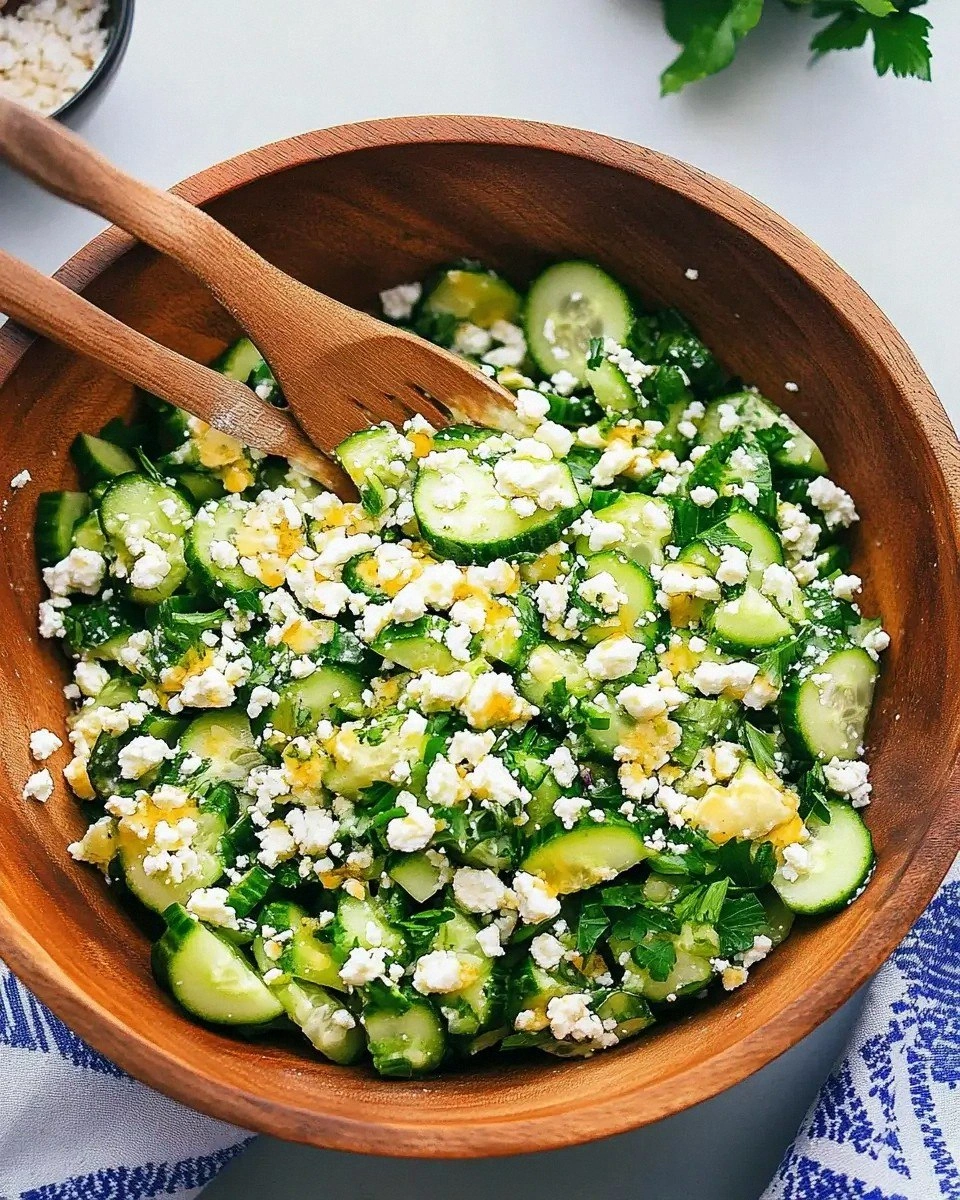
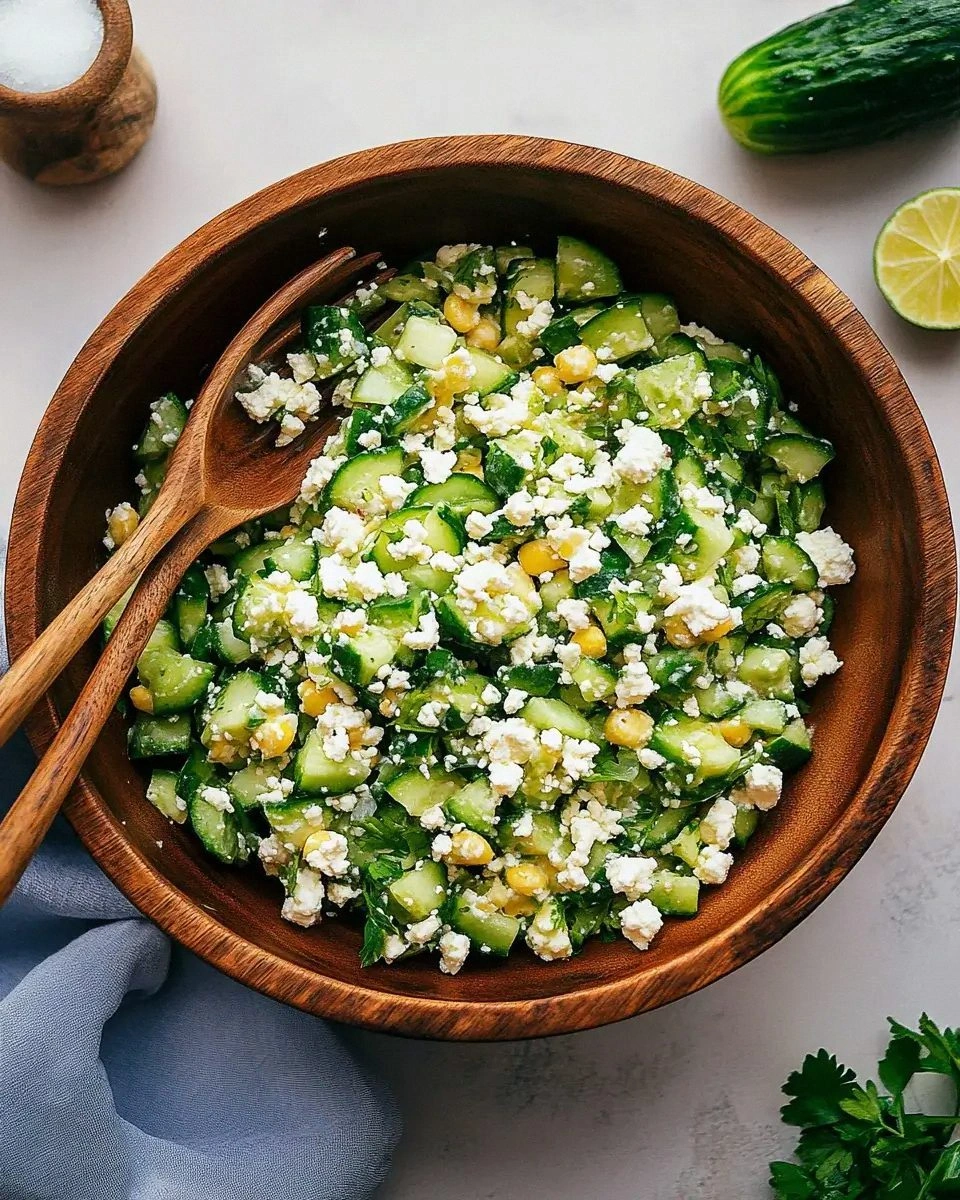
Picture this: a bright kitchen bathed in late‑afternoon sun, the faint hum of the refrigerator, the rhythmic clink of a metal spoon against a ceramic bowl. The cucumber slices snap under the knife like fresh green fireworks, releasing a cool, watery scent that instantly makes you think of poolside picnics. The feta crumbles with a buttery, salty pop that reminds you of the Mediterranean sea breezes, while the pearl couscous absorbs the lemon‑dijon dressing like tiny sponges, each bead glistening like polished pearls. When you finally toss everything together, the aroma hits you like a wave of citrus‑infused freshness, and you can almost hear the distant chatter of friends gathering around the table.
What makes this version truly stand out is the marriage of texture and flavor that most recipes completely miss. Most cucumber salads rely on a thin drizzle of olive oil and a dash of salt, which leaves the dish feeling flat and watery. Here, we introduce pearl couscous—a tiny, chewy grain that adds body without heaviness, and a lemon dressing that coats each bite with a silk‑smooth tang that’s balanced by the creamy crumble of feta. The secret ingredient? A pinch of dried Italian seasoning that adds an herbaceous depth you never expected, turning a simple side into a conversation‑starter.
I’m about to reveal the technique that makes the dressing cling to the couscous like velvet, and why the cucumber is sliced just so—thin enough to stay crisp, but thick enough to hold onto the dressing. I’ll also share a few kitchen hacks that will save you time and prevent the dreaded soggy cucumber syndrome. Trust me, I’ve been there, and I’m ready to hand you the exact steps that will guarantee success every single time. Let me walk you through every single step — by the end, you’ll wonder how you ever made it any other way.
What Makes This Version Stand Out
- Texture: Pearl couscous adds a pleasant bite that contrasts with the crisp cucumber, creating a mouthfeel that’s both satisfying and refreshing.
- Flavor Balance: The lemon‑dijon dressing delivers acidity, sweetness, and a hint of mustard heat, perfectly offset by the salty feta.
- Simplicity: Only a handful of pantry staples are needed, making this dish doable even on a frantic weekday.
- Uniqueness: Most cucumber salads skip the grain component; the couscous turns this into a hearty side that can stand on its own.
- Crowd Reaction: I’ve seen people ask for seconds within the first five minutes—yes, I dare you to taste this and not go back for seconds.
- Ingredient Quality: Fresh, firm cucumbers and high‑quality feta elevate the dish from ordinary to restaurant‑grade.
- Cooking Method: The couscous is steamed, not boiled, preserving its delicate texture and preventing it from becoming mushy.
- Make‑Ahead Potential: The salad holds up beautifully for up to 24 hours, making it perfect for meal prep or potlucks.
Inside the Ingredient List
The Flavor Base
The lemon dressing is the heart of this salad. Red wine vinegar provides a bright acidity that cuts through the richness of feta, while Dijon mustard adds a subtle heat and emulsifies the sauce so it clings to every grain of couscous. If you skip the mustard, you’ll end up with a watery vinaigrette that slides off the cucumbers like a bad first date. For a tangier twist, swap the red wine vinegar for white wine vinegar, but be careful not to overpower the delicate cucumber flavor.
The Texture Crew
Pearl couscous is the unsung hero here. Its tiny, round shape absorbs the dressing without turning mushy, giving each bite a satisfying chew. If you can’t find pearl couscous, small orzo works as a fallback, though it won’t have the same pop. The cucumber, sliced into half‑moon pieces, offers a refreshing crunch that balances the creamy feta; cutting them too thin will make them soggy, while too thick will dominate the mouthfeel.
The Unexpected Star
Dried Italian seasoning might seem ordinary, but it brings a blend of oregano, basil, and thyme that lifts the entire dish into a Mediterranean escape. This subtle herbaceous note is what separates a good salad from a great one. If you’re feeling adventurous, a pinch of smoked paprika can add a whisper of smoky depth, perfect for summer barbecues.
The Final Flourish
Feta cheese, crumbled generously, adds salty creaminess that anchors the citrus notes. Choose a block of feta that’s been aged for at least three weeks; it will have a firmer texture and richer flavor. If you’re dairy‑free, try a crumble of toasted almond feta or a vegan feta alternative, but be aware that the flavor profile will shift slightly.
Everything's prepped? Good. Let's get into the real action…
The Method — Step by Step
Start by bringing a medium saucepan of water to a rolling boil. Add a pinch of salt, then stir in the pearl couscous. Reduce the heat to a gentle simmer and cover, letting the couscous steam for about 8‑10 minutes until each pearl is tender but still slightly al dente. You’ll hear a faint hissing as the steam escapes—this is the sound of perfect texture forming. Once done, drain any excess water and fluff with a fork; set aside to cool.
Kitchen Hack: Transfer the hot couscous onto a large baking sheet to speed up cooling and prevent it from steaming together.While the couscous cools, grab two medium cucumbers and slice them into half‑moon pieces about ¼‑inch thick. Place the slices in a colander, sprinkle lightly with salt, and let them sit for 5 minutes. This draws out excess moisture, ensuring they stay crisp when dressed. Rinse quickly under cold water, then pat dry with a clean kitchen towel. The cucumber now looks plump, glistening, and ready to absorb flavor.
Now for the dressing: In a small bowl, whisk together 2 tablespoons red wine vinegar, 1 tablespoon Dijon mustard, ½ teaspoon dried Italian seasoning, and ¼ teaspoon minced garlic. As you whisk, watch the mixture thicken and emulsify, turning a pale amber into a glossy sauce that clings to the back of a spoon. Slowly drizzle in 2 tablespoons extra‑virgin olive oil while continuing to whisk; this creates a stable emulsion that will coat the couscous evenly.
Watch Out: If the dressing separates, it means the oil was added too quickly—stop whisking, add a splash of water, and continue whisking to bring it back together.Combine the cooled couscous and cucumber slices in a large mixing bowl. Pour the lemon‑dijon dressing over the top, then gently toss with a rubber spatula. The couscous should be evenly coated, each pearl shimmering like a tiny pearl necklace. The cucumber will pick up a faint sheen, indicating the dressing has adhered without drowning the crispness.
Crumble a generous cup of feta cheese over the salad. Use your hands to break the feta into irregular chunks—this creates pockets of salty creaminess that burst with each bite. Toss lightly again, just enough to distribute the feta without breaking it down completely. The feta should remain in distinct pieces, providing texture contrast.
Taste the salad and adjust seasoning. A pinch more salt or a splash of extra‑virgin olive oil can brighten the flavors. If you like a bit more zing, add a squeeze of fresh lemon juice—just a teaspoon, because we don’t want to overpower the delicate balance.
Cover the bowl with plastic wrap and let the salad rest in the refrigerator for at least 15 minutes. This resting period allows the couscous to soak up the dressing fully, and the cucumber to mellow, resulting in a harmonious blend of flavors. During this time, the aroma will fill your kitchen, teasing your senses and building anticipation.
When you’re ready to serve, give the salad one final gentle toss, then transfer to a serving platter. Garnish with a sprinkle of fresh dill or a few whole mint leaves for a pop of color. Serve chilled or at room temperature—both work beautifully. And there you have it: a cucumber feta salad that sings with freshness, depth, and a touch of elegance.
Kitchen Hack: If you’re short on time, you can prep the couscous and dressing ahead of time, then combine with cucumbers and feta right before serving.
That's it — you did it. But hold on, I've got a few more tricks that'll take this to another level...
Insider Tricks for Flawless Results
The Temperature Rule Nobody Follows
Never toss a hot grain into a cold bowl; the sudden temperature shift can cause the couscous to become gummy. Let the couscous sit on a cool surface for a few minutes before mixing. I once tried to speed things up by dumping steaming couscous straight into the salad, and the result was a clumpy, sad mess that no amount of dressing could rescue. The rule of thumb: cool, then combine.
Why Your Nose Knows Best
Before you add the final splash of lemon, give the salad a quick sniff. If the aroma feels flat, a tiny drizzle of lemon zest will instantly brighten the scent profile. Our sense of smell is a powerful predictor of flavor balance; trust it. A friend once ignored this and ended up with a bland salad that needed a whole lemon to fix.
The 5‑Minute Rest That Changes Everything
Allowing the salad to rest for just five minutes after dressing lets the flavors meld. During this brief pause, the couscous absorbs the vinaigrette, and the cucumber releases a subtle sweetness. I used to serve this salad immediately and got complaints that it tasted “unfinished.” After the rest, every bite feels cohesive, as if the ingredients have been best friends for hours.
Salt Timing is Everything
Salting the cucumbers early draws out excess water, but adding salt to the dressing too early can make it overly sharp. I recommend sprinkling a pinch of salt on the finished salad just before serving, allowing the feta to provide the primary saltiness. This method preserves the bright, clean flavors of the lemon vinaigrette.
The Olive Oil Finish
A drizzle of high‑quality extra‑virgin olive oil right before plating adds a luxurious mouthfeel and a subtle fruitiness that ties the whole dish together. Think of it as the final brushstroke on a painting; without it, the masterpiece feels incomplete. Choose an oil with a mild, grassy profile to let the other ingredients shine.
Creative Twists and Variations
This recipe is a playground. Here are some of my favorite ways to switch things up:
Mediterranean Sunrise
Swap the cucumber for diced roasted red peppers and add a handful of kalamata olives. The smoky sweetness of the peppers pairs beautifully with the feta, turning the salad into a vibrant Mediterranean mezze.
Herb‑Infused Couscous
Stir in a tablespoon of chopped fresh basil and a pinch of mint into the couscous while it’s still warm. The herbs infuse the grains, giving each bite an aromatic lift that complements the lemon dressing.
Protein Power
Add grilled chicken breast strips or a scoop of chickpeas for a protein boost. This turns the salad into a complete meal, perfect for lunchboxes or post‑workout refueling.
Spicy Kick
Incorporate a finely diced jalapeño or a pinch of red pepper flakes into the dressing. The heat adds an exciting contrast to the cool cucumber, making the salad ideal for summer barbecues.
Sweet Twist
Fold in a handful of pomegranate seeds or thinly sliced strawberries for a burst of sweet‑tart flavor. The fruit adds a pop of color and a delightful textural surprise that guests love.
Storing and Bringing It Back to Life
Fridge Storage
Transfer the salad to an airtight container and store in the refrigerator for up to 48 hours. The couscous will continue to absorb the dressing, becoming even more flavorful. Before serving, give it a quick stir and taste for seasoning adjustments.
Freezer Friendly
While not ideal for the cucumber’s crispness, you can freeze the couscous and dressing mixture separately for up to 2 months. Thaw in the fridge, then add fresh cucumber and feta right before serving to restore texture.
Best Reheating Method
If the salad has chilled for a while and feels a bit dry, splash in a teaspoon of water or a drizzle of olive oil, then gently toss. This re‑hydrates the couscous and revives the vinaigrette without making it soggy. Serve immediately after reviving for the best mouthfeel.