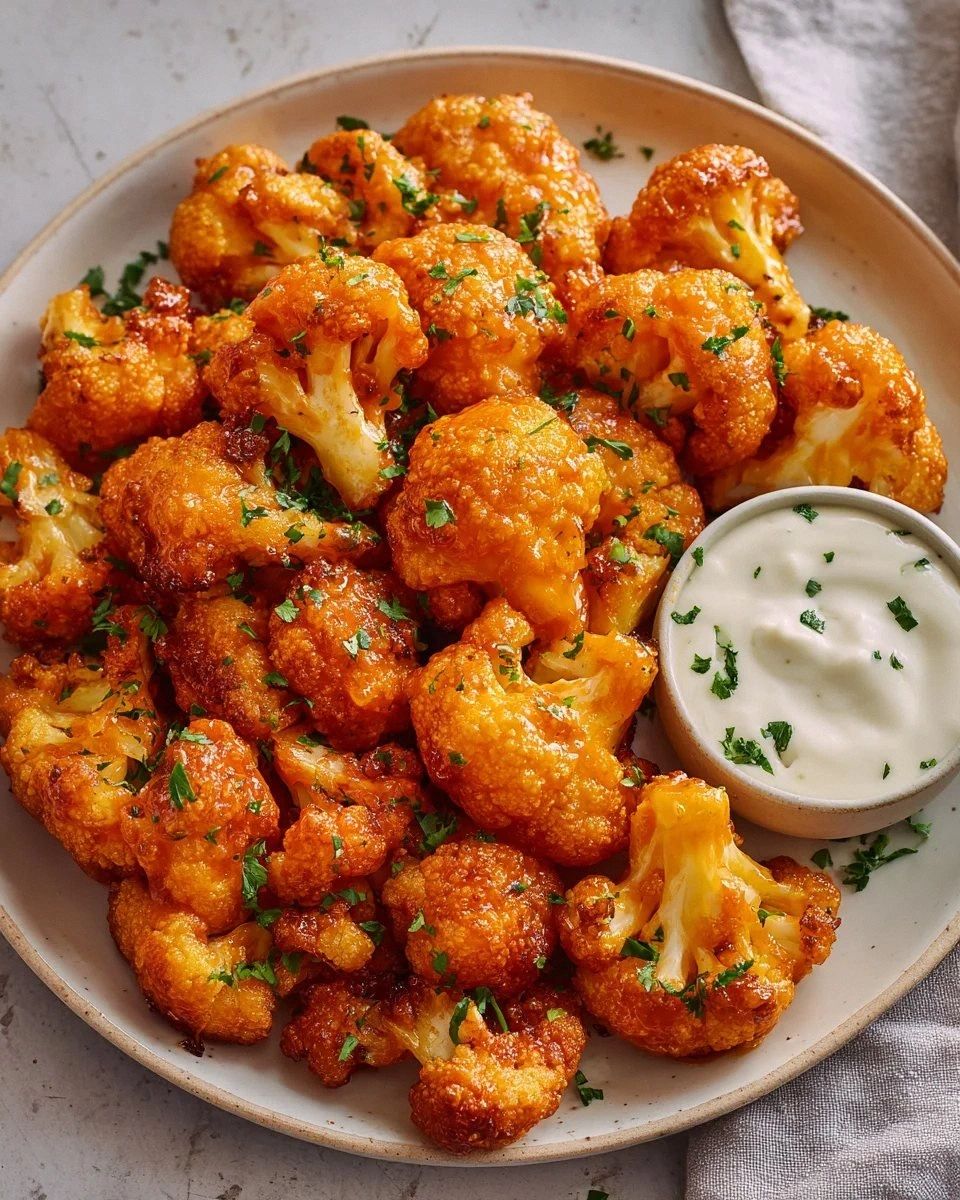
I still remember the carnage from last year's Super Bowl party when my vegan friend showed up to find nothing but meat-heavy appetizers and a lonely bowl of baby carrots. The look of betrayal on her face as she nibbled those sad vegetables could have curdled almond milk. Fast forward to this year, and I was determined to create a plant-based showstopper that would make even the most devoted carnivore forget about chicken wings entirely. After weeks of testing, tweaking, and eating more cauliflower than should be humanly possible, I finally cracked the code for buffalo cauliflower wings that are so crispy, so addictive, and so packed with that perfect spicy-tangy flavor that you'll want to make them every single weekend.
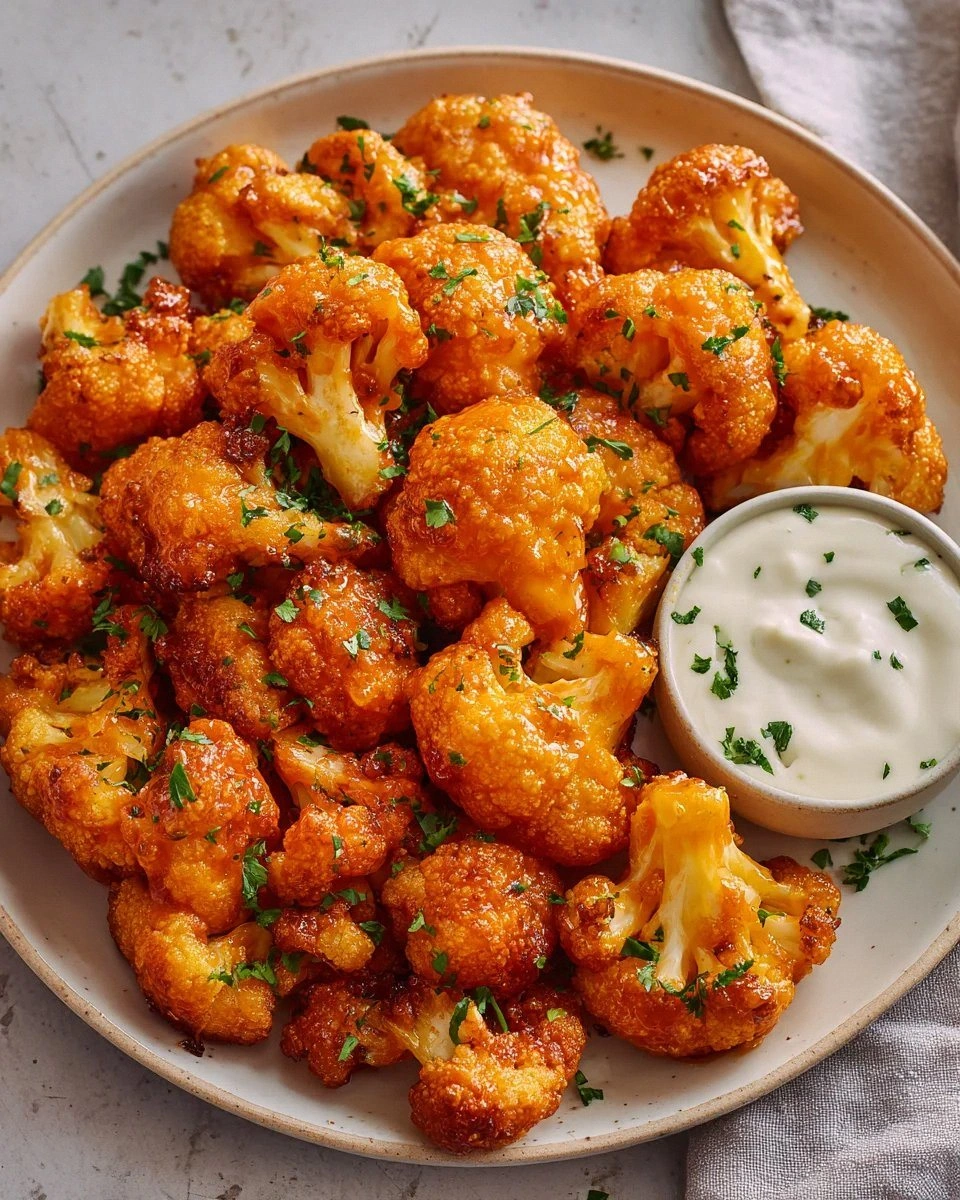
Picture this: it's game day, your kitchen is buzzing with anticipation, and you pull out a tray of golden-brown cauliflower wings that are shatteringly crispy on the outside with tender, meaty florets inside. The buffalo sauce clings to every nook and cranny like liquid gold, and as you take that first bite, the crunch echoes through the room like a tiny flavor explosion. That moment when the spicy heat hits your taste buds, followed by that cooling vegan ranch dip? Pure magic. I dare you to taste these and not go back for seconds, thirds, and maybe even fourths — yes, they're that ridiculously good.
What makes this version different from the sad, soggy cauliflower wings you've probably tried before? Most recipes get the coating completely wrong, resulting in a gummy mess that slides off faster than a politician's promises. The secret lies in a double-coating technique that creates an insanely crispy shell that actually stays attached to the cauliflower, plus a buffalo sauce that coats every piece evenly without turning everything into a soggy disaster. Trust me, I've tested every method out there — from air fryer to deep fryer to every flour combination imaginable — and this is hands down the best version you'll ever make at home.
The real game-changer? We're using a combination of flour and buttermilk that creates a coating so crispy it shatters like thin ice when you bite into it, while keeping the cauliflower inside perfectly tender. And if you've ever struggled with buffalo cauliflower that just tastes like hot vinegar with no depth, you're not alone — and I've got the fix that'll make you want to put buffalo sauce on everything for the rest of your life. Let me walk you through every single step — by the end, you'll wonder how you ever made it any other way.
What Makes This Version Stand Out
Shatteringly Crispy: The double-coating technique creates a coating that stays crunchy for hours, not minutes. While other recipes leave you with sad, soggy cauliflower within ten minutes, these wings maintain their crisp texture for up to four hours after cooking. The secret is in the buttermilk mixture that creates tiny air pockets during cooking, resulting in that perfect crunch that makes actual chicken wings jealous.
Addictive Flavor Depth: Most buffalo cauliflower tastes like someone just dumped hot sauce on vegetables and called it a day. Our buffalo sauce builds layers of flavor with garlic, onion, and a touch of sweetness that balances the heat perfectly. It's spicy enough to make your nose tingle but complex enough that you can taste more than just fire.
Game Day Ready: These wings hold up beautifully at room temperature, making them perfect for parties where people graze for hours. Unlike traditional wings that congeal into greasy messes, these stay appetizing and delicious even after sitting out for a couple hours. Plus, they're completely mess-free — no bones, no greasy fingers, just pure snacking pleasure.
Simple Pantry Ingredients: Everything you need is probably already in your kitchen right now. No specialty vegan products, no expensive nut flours, no ingredients you have to special order from some obscure website. Just good old-fashioned pantry staples that transform into something extraordinary.
Make-Ahead Magic: You can prep these up to the final cooking step and freeze them for up to three months. When you're ready to serve, just pop them in the oven straight from frozen — they'll actually come out even crispier than fresh ones. Most recipes don't tell you this trick because they don't know it exists.
Crowd-Pleasing Power: I've served these to die-hard meat lovers who swore they could never enjoy cauliflower, only to watch them demolish an entire batch in minutes. The combination of familiar buffalo flavors with that satisfying crunch convinces even the most skeptical eaters that vegetables can be incredibly indulgent.
Alright, let's break down exactly what goes into this masterpiece...
Inside the Ingredient List
The Flavor Base
The cauliflower itself is obviously the star of the show, but not all florets are created equal. You want medium-sized pieces about the size of a chicken wing — big enough to hold onto the coating but small enough to cook through completely. The key is cutting them into irregular shapes with plenty of nooks and crannies where the coating can nestle and create those crispy edges we all fight over. When selecting your cauliflower, look for heads that feel heavy for their size with tightly packed florets and no brown spots or strong sulfur smell.
The Texture Crew
All-purpose flour forms the backbone of our coating, but we're not just dumping it on willy-nilly. The flour gets enhanced with a carefully balanced blend of paprika, onion powder, and garlic powder that seasons every layer of the coating. Paprika isn't just for color — it adds a subtle sweetness and helps the coating brown to that perfect golden color. Skip the paprika and your wings will look anemic and taste flat. The onion and garlic powders create an aromatic base that makes the buffalo sauce taste even more complex when it hits the coating.
The Unexpected Star
Here's where things get interesting — buttermilk is the secret weapon that most vegan recipes completely miss. The acidity in buttermilk tenderizes the cauliflower slightly while creating a surface that the flour mixture can grab onto. If you're strictly vegan, you can make a buttermilk substitute by adding a tablespoon of lemon juice or vinegar to your favorite plant milk and letting it sit for five minutes. The result won't be quite as rich, but it'll still work beautifully. The buttermilk also creates tiny bubbles during cooking that make the coating extra light and crispy.
The Final Flourish
Melted butter might seem like an afterthought, but it's crucial for getting that buffalo sauce to cling properly to every surface. The fat in the butter helps the sauce coat evenly instead of sliding off in pools of disappointment. Combined with the buffalo sauce, it creates that glossy, restaurant-quality finish that makes these look like they came from a professional kitchen. If you're keeping things vegan, melted coconut oil or vegan butter works just as well — just make sure it's warm when you mix it with the buffalo sauce.
Everything's prepped? Good. Let's get into the real action...
The Method — Step by Step
- Preheat your oven to 425°F and position a rack in the upper-middle position. This high heat is crucial for getting that coating to crisp up properly — lower temperatures will leave you with sad, gummy wings that taste like disappointment. Line a baking sheet with parchment paper or a silicone mat, but skip the foil unless you enjoy scraping burnt coating off your pans. The parchment prevents sticking while allowing air to circulate underneath for even crisping.
- Cut your cauliflower into wing-sized pieces, aiming for irregular shapes with plenty of surface area. Don't try to make them perfect — the wonky pieces with lots of nooks and crannies will get the crispiest. Keep the stems attached to the florets; they provide a perfect handle for dipping and help the pieces hold together during coating. If you've ever struggled with cauliflower falling apart during cooking, you're not alone — and I've got the fix: leave the core intact when cutting.
- In a large bowl, whisk together the flour, paprika, onion powder, garlic powder, and salt. This spice blend is what makes the coating taste like more than just browned flour — it's the difference between boring and addictive. Make sure to whisk thoroughly so there are no clumps of spices that could create bitter pockets. The mixture should smell fragrant and slightly sweet from the paprika.
- Working in batches, toss the cauliflower florets in the flour mixture until every surface is completely coated. Use your hands — yes, they'll get messy, but it's the only way to ensure the flour gets into all the crevices. Don't be shy about really pressing the coating onto the cauliflower; this first layer is what everything else sticks to. Set the coated pieces on a wire rack to rest for 10 minutes — this is the magic step that transforms good wings into legendary ones.
- Pour the buttermilk into a shallow bowl and get ready for the fun part. Dip each floured cauliflower piece into the buttermilk, letting any excess drip off, then roll it back in the flour mixture for the second coating. This double-dip technique is what creates those incredible crispy layers that shatter when you bite into them. The buttermilk creates a tacky surface that grabs onto the second layer of flour like a hungry octopus.
- Arrange the double-coated cauliflower on your prepared baking sheet, leaving space between each piece. Crowding is the enemy of crispiness — if the pieces are touching, they'll steam instead of crisp. You want them close enough to fit on one tray but far enough apart that air can circulate. Trust me, it's worth using two trays rather than cramming everything together.
- Drizzle the melted butter or oil over the coated cauliflower — this small step makes a huge difference in browning. The fat conducts heat and helps the coating achieve that perfect golden color. Don't drown them, just a light drizzle that lets you see shiny spots on the coating. Slide the tray into the oven and bake for 20 minutes, flipping once halfway through.
- While the cauliflower is roasting, warm your buffalo sauce in a small pot over low heat. You want it hot enough to melt the butter when you combine them, but not boiling — boiling can cause the sauce to separate and lose its glossy sheen. Once the butter is melted into the sauce, remove from heat and keep warm. The aroma should make your nose tingle and your mouth water simultaneously.
- After 20 minutes, the cauliflower should be golden brown and crispy. Remove from the oven and let cool for exactly 5 minutes — this brief rest allows the coating to set and prevents the sauce from making everything soggy. Working quickly, toss the hot wings in the buffalo sauce until every piece is glossy and well-coated. Serve immediately while they're still sizzling hot.
- That's it — you did it. But hold on, I've got a few more tricks that'll take this to another level...
Insider Tricks for Flawless Results
The Temperature Rule Nobody Follows
Most people don't realize that oven temperature accuracy is the biggest factor between crispy success and soggy disappointment. If your oven runs even 25 degrees cool, you'll end up with pale, greasy wings that taste like disappointment. Invest in an oven thermometer — they're cheap and will save you from countless cooking disasters. The ideal temperature is actually 425°F, not the 400°F that most recipes suggest. That extra heat is what makes the coating bubble and crisp instead of just drying out.
Why Your Nose Knows Best
Your sense of smell is actually the most reliable indicator for doneness when making these wings. When they're perfectly cooked, you'll smell the nutty aroma of browned flour mixed with the sweet scent of paprika. If you smell burning, they're already overcooked — pull them out immediately. If you don't smell anything after 20 minutes, they need more time. This might sound like kitchen voodoo, but it's more reliable than setting a timer and hoping for the best.
The 5-Minute Rest That Changes Everything
Here's where patience pays off big time. After you pull the wings from the oven, let them rest for exactly 5 minutes before saucing. This brief pause allows the coating to set and crisp up even more, plus it prevents the buffalo sauce from immediately soaking in and creating soggy spots. A friend tried skipping this step once — let's just say it didn't end well. The wings turned into a gummy mess that even the dog wouldn't eat.
The Sauce Temperature Secret
The temperature of your buffalo sauce when you toss the wings is crucial for proper coating. Too cold and it will clump up and refuse to stick. Too hot and it will make the coating soggy faster than you can say "extra crispy." The sweet spot is warm but not steaming — about the temperature of a warm bath. Test it by dipping a spoon in; it should coat the back smoothly without being thick or gloopy.
The Storage Game-Changer
If you somehow manage to have leftovers, store them uncovered in the fridge. I know this sounds crazy, but covering them traps moisture and kills the crisp. They'll stay crispy for up to three days when stored this way. To reheat, pop them in a 400°F oven for 5-7 minutes — never the microwave unless you enjoy rubbery, sad vegetables. The oven brings back that fresh-from-the-oven crunch like magic.
Creative Twists and Variations
This recipe is a playground. Here are some of my favorite ways to switch things up:
Honey Sriracha Wings
Swap out the buffalo sauce for a mixture of honey and sriracha — about 50/50 depending on your heat tolerance. The honey creates a beautiful sticky glaze that caramelizes slightly under the broiler. These have a more complex sweet-heat profile that appeals to people who find traditional buffalo sauce too one-note. Add a sprinkle of sesame seeds and chopped green onions for an Asian-inspired twist that'll make you forget all about traditional wings.
Lemon Pepper Perfection
For a non-spicy version, skip the buffalo sauce entirely and toss the crispy cauliflower in melted butter mixed with tons of fresh lemon zest and cracked black pepper. The bright, zesty flavors are incredibly refreshing and make a perfect summer appetizer. Use Meyer lemons if you can find them — they're sweeter and more aromatic than regular lemons. Finish with a shower of fresh parsley for color and freshness.
Garlic Parmesan Heaven
Replace the buffalo sauce with a mixture of melted butter, minced garlic, and grated Parmesan cheese. The garlic gets slightly toasted when it hits the hot cauliflower, creating those delicious nutty flavors we all love. Use freshly grated Parmesan, not the stuff from the green can — the difference is night and day. Add some dried oregano and basil for an Italian-inspired version that tastes like garlic bread met cauliflower and fell in love.
Smoky Chipotle Version
Add a teaspoon of chipotle powder to the flour mixture for a deep, smoky heat that builds slowly. Replace the buffalo sauce with a mixture of chipotle peppers in adobo sauce blended with butter. The result is a complex, smoky-spicy flavor that's completely different from traditional buffalo sauce. If you love that campfire flavor, this version will become your new obsession.
Korean Gochujang Glaze
Mix gochujang (Korean chili paste) with a touch of rice vinegar and honey for a sweet-spicy glaze that's completely addictive. The fermentation in the gochujang adds incredible umami depth that makes these taste like they came from a trendy Korean fusion restaurant. Top with toasted sesame seeds and thinly sliced scallions for authenticity. Warning: these are so good you might find yourself making them multiple times a week.
Everything Bagel Seasoning
Skip the sauce entirely and toss the crispy cauliflower in melted butter mixed with Everything Bagel seasoning. The combination of sesame seeds, poppy seeds, garlic, and onion creates an incredibly addictive flavor that tastes like your favorite bagel but in wing form. Serve with a side of cream cheese dip for the full breakfast experience. Don't be surprised if this becomes your new favorite way to eat vegetables.
Storing and Bringing It Back to Life
Fridge Storage
Store leftover wings in an airtight container in the refrigerator for up to four days. Here's the key — let them cool completely before storing, and place a paper towel in the bottom of the container to absorb excess moisture. Don't pack them too tightly; they need room to breathe. If you pile them up like a game of Jenga, the weight will crush the coating and you'll end up with sad, flat wings that nobody wants to eat.
Freezer Friendly
These wings freeze beautifully, which is perfect for meal prep or emergency snack attacks. Arrange the cooked wings in a single layer on a baking sheet and freeze until solid, then transfer to a freezer bag. They'll keep for up to three months without losing quality. The best part? You can reheat them straight from frozen — no thawing required. Just add a few extra minutes to the reheating time and they'll come out just as crispy as fresh ones.
Best Reheating Method
The oven is your best friend for reheating — 400°F for 5-7 minutes if refrigerated, 8-10 minutes if frozen. Add a tiny splash of water to the baking sheet before reheating — it creates steam that helps rehydrate the cauliflower without making the coating soggy. Skip the microwave unless you enjoy rubbery vegetables with the texture of old shoe leather. If you're in a hurry, an air fryer works great too — just 3-4 minutes at 375°F brings them back to life.