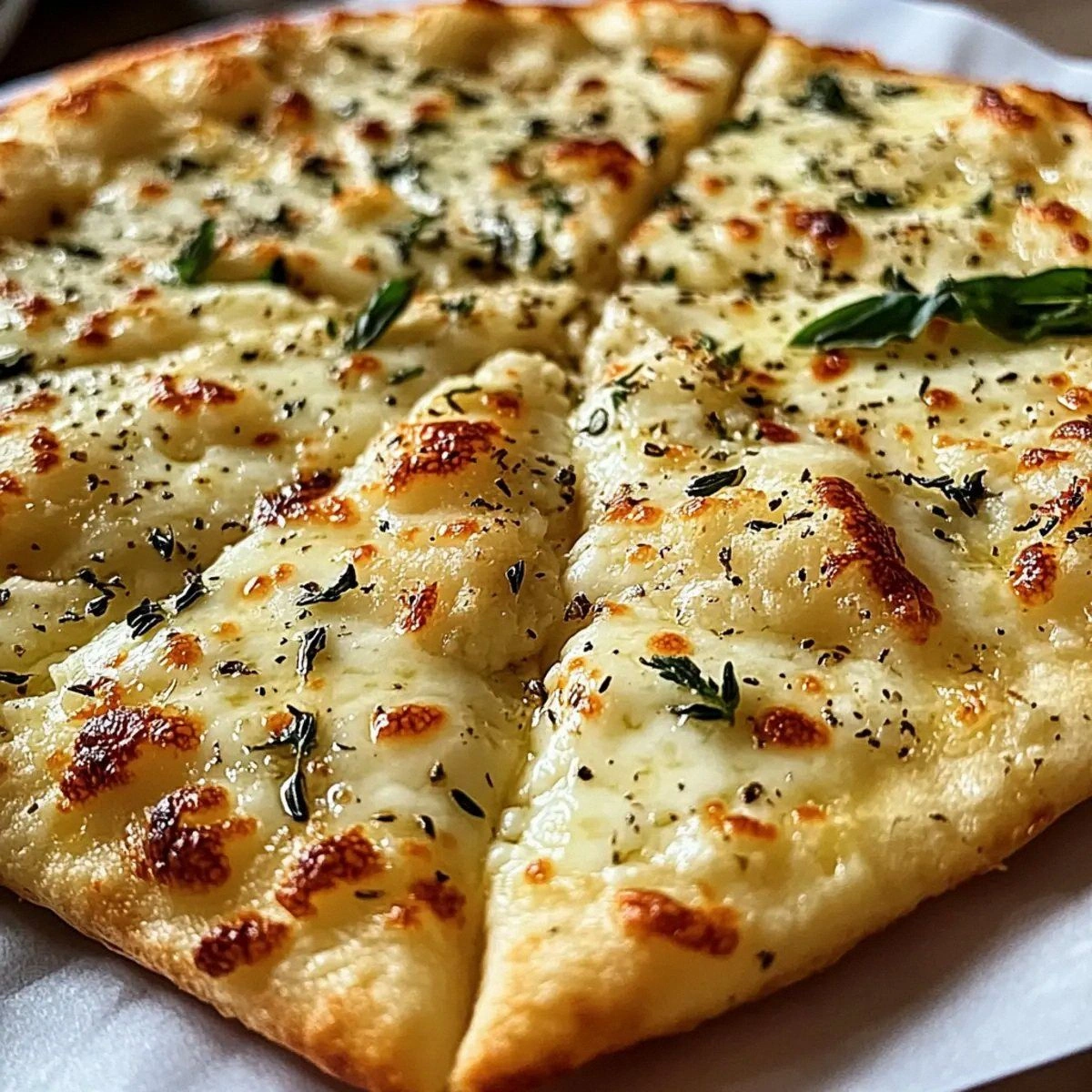
Picture this: it’s a rainy Saturday night, the kind that makes you want to hunker down with something comforting, but you’re also craving that pizza‑parlor magic without ordering in. I was staring at a half‑baked crust that looked like a sad, flat pancake, and my mind was screaming for a sauce that could turn that disappointment into a culinary triumph. I tried a store‑bought white sauce once—think of it as a watery, flavorless ghost that vanished the moment you spread it. I was ready to throw in the towel, but then I remembered a kitchen secret my grandma whispered: butter, garlic, and a splash of cream can create a velvet river that clings to dough like a lover’s embrace.
Fast forward to the present, and I’m standing over a skillet, butter bubbling like a sunrise, the aroma of minced garlic rising like an invitation to a secret garden. The kitchen is alive with the sizzle of flour meeting hot butter, the sound that tells you you’re on the right track. My senses are on overdrive—the buttery richness coating my fingertips, the faint peppery bite teasing my nose, and the promise of a creamy, cheesy finish that will make every bite sing. I’m daring you to taste this and not go back for seconds, because once you experience this sauce, the ordinary pizza sauce will feel like a bland afterthought.
Most white pizza sauces out there either drown the pizza in a soupy mess or leave it dry and flavorless. This version stands out because it balances richness with a whisper of herbaceous Italian seasoning, creating a depth that feels both luxurious and home‑y. The secret? A precise ratio of butter to flour for a smooth roux, a splash of heavy cream for silkiness, and a generous handful of Parmesan that adds a nutty umami punch. I’ll be honest — I ate half the batch before anyone else got to try it, and that’s a testament to how addictive this sauce truly is.
And guess what? There’s a tiny twist that most recipes overlook: a pinch of black pepper added at the very end, which lifts the whole sauce and prevents it from tasting one‑dimensional. Okay, ready for the game‑changer? Let me walk you through every single step — by the end, you’ll wonder how you ever made it any other way.
What Makes This Version Stand Out
- Taste: The combination of butter, garlic, and Parmesan creates a savory depth that feels like a hug for your taste buds, with a subtle peppery kick that keeps it from being cloying.
- Texture: The roux‑based base yields a sauce that coats the crust like velvet, neither too runny nor too thick, perfect for spreading and for those pockets that love a little extra.
- Simplicity: Only nine ingredients, all pantry staples, and a single skillet—no fancy equipment, no time‑consuming steps.
- Uniqueness: Adding heavy cream at the end gives that luxurious mouthfeel you’d expect from a restaurant‑grade white sauce, while still being fully controllable at home.
- Crowd Reaction: Guests often claim they’ve never tasted a pizza sauce this creamy; it becomes the talk of the table and the reason people ask for seconds.
- Ingredient Quality: Using real butter and freshly grated Parmesan makes a world of difference compared to processed cheese powders.
- Cooking Method: The low‑and‑slow roux technique prevents lumps and ensures a silky finish, a trick most shortcuts miss.
- Make‑Ahead Potential: This sauce stores beautifully, gaining even more flavor after a night in the fridge, so you can prep it ahead of your pizza night.
Inside the Ingredient List
The Flavor Base
Unsalted Butter (3 tablespoons): Butter is the foundation of flavor and texture. It creates a rich mouthfeel and carries the garlic’s aroma throughout the sauce. If you skip it, you’ll end up with a watery, flavor‑less mess. For the best result, use high‑quality European butter—its higher butterfat content gives a silkier finish.
Garlic, minced (3 cloves): Garlic provides that unmistakable punch that makes a white sauce feel alive. Freshly minced garlic releases allicin, which adds a sharp, aromatic edge that balances the dairy. Using pre‑minced jarred garlic will work, but you’ll lose the bright, raw zing.
The Texture Crew
All‑Purpose Flour (3 tablespoons): Flour is the thickening hero, forming a roux with the butter that prevents the sauce from separating later. If omitted, the sauce will separate into oily and watery layers. You can swap in gluten‑free flour 1:1, but the texture will be slightly less glossy.
Whole Milk (1 cup): Milk adds body without overwhelming the sauce with heaviness. It dilutes the butter just enough to keep the sauce pourable. For a richer taste, you could use 2% milk, but whole milk is the sweet spot for creaminess.
Heavy Cream (½ cup): The cream is the secret weapon that turns a simple roux into a luxurious, velvety river. It adds richness and a subtle sweetness that rounds out the garlic. If you’re watching calories, you can replace half with half‑and‑half, but expect a thinner texture.
The Unexpected Star
Grated Parmesan Cheese (¼ cup): Parmesan introduces a salty, nutty umami that elevates the sauce from plain to spectacular. It also helps thicken the sauce as it melts. For a sharper flavor, use aged Parmigiano‑Reggiano; for a milder profile, Pecorino works well.
The Final Flourish
Salt (¼ teaspoon), Black Pepper (¼ teaspoon), Italian Seasoning (¼ teaspoon): These seasonings are the finishing touches that bring everything together. Salt amplifies all flavors, pepper adds a gentle heat, and Italian seasoning provides a herbaceous backdrop. Skipping them will leave the sauce tasting flat—trust me, you don’t want a bland pizza.
Everything's prepped? Good. Let's get into the real action…
The Method — Step by Step
- Melt the 3 tablespoons of unsalted butter in a medium‑sized skillet over medium heat. As soon as it starts to foam, add the minced garlic and let it sauté for about 30 seconds, just until you hear that subtle sizzle and the kitchen fills with a fragrant, buttery garlic perfume. That sizzle when it hits the pan? Absolute perfection. Be careful not to let the garlic brown; you want it golden, not burnt.
- Sprinkle the 3 tablespoons of all‑purpose flour over the butter‑garlic mixture, stirring constantly with a whisk to form a smooth, pale roux. Cook this roux for about 2 minutes, watching it turn a light golden hue—this is the stage where the flour loses its raw taste and starts to develop a nutty undertone. The sauce should smell toasty, like fresh bread crust.
- Gradually whisk in the 1 cup of whole milk, pouring it in a slow, steady stream. As you incorporate the milk, the mixture will bubble and thicken; keep whisking to avoid any lumps. Once the milk is fully integrated, let the sauce simmer gently for 3‑4 minutes, allowing it to reach a silky consistency.
- Stir in the ½ cup of heavy cream, watching the sauce transform into a richer, more luxurious texture. The cream will melt into the roux, creating a glossy sheen that signals the sauce is ready for the next flavor boost. Keep the heat on low; you don’t want the cream to boil, just to meld.
- Add the ¼ cup of grated Parmesan cheese, letting it melt slowly while you continue to whisk. As the cheese dissolves, you’ll notice the sauce gaining a subtle, nutty depth that makes it taste like a slice of pizza in a bowl. Taste at this point and adjust the seasoning if needed.
- Seasoning moment: Sprinkle in the ¼ teaspoon each of salt, black pepper, and Italian seasoning. This trio brings balance—salt amplifies, pepper adds a gentle heat, and Italian seasoning introduces herbaceous notes that echo classic pizza flavors. Stir for another 30 seconds to let the spices bloom.
- Remove the skillet from the heat and let the sauce rest for a minute. This brief rest allows the flavors to marry fully, creating a cohesive profile that will cling to your pizza dough like a dream. If you notice any tiny lumps, give it one final whisk—smoothness is key.
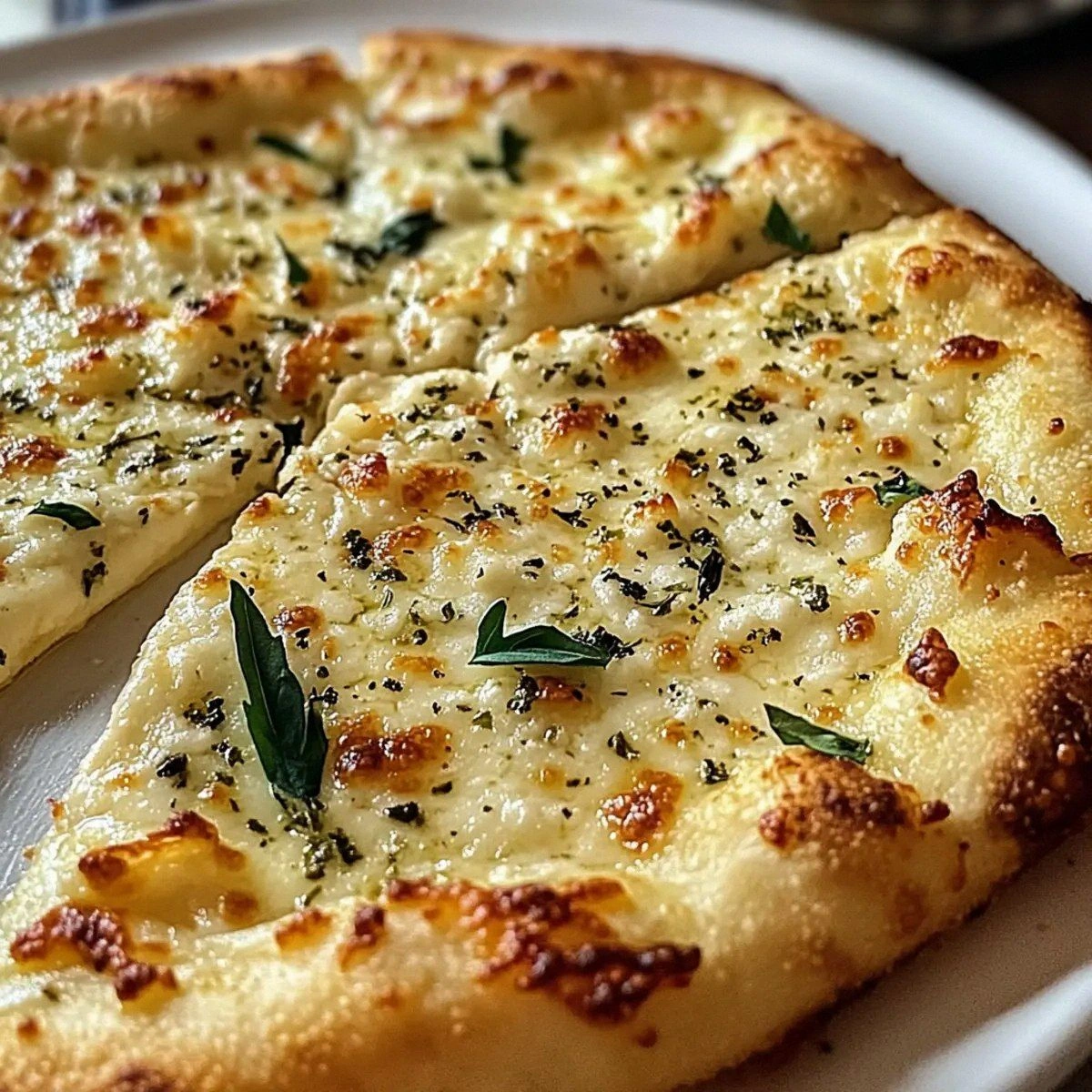
- Now, the fun part: drizzle the sauce over your prepared pizza crust, spreading it evenly with the back of a spoon. The sauce should pool slightly in the center, creating little pockets of creaminess that will melt into the cheese as it bakes. Slide the pizza into a pre‑heated oven (475°F / 245°C) and bake until the crust is golden and the cheese bubbles—usually 10‑12 minutes.
That's it — you did it. But hold on, I've got a few more tricks that'll take this to another level…
Insider Tricks for Flawless Results
The Temperature Rule Nobody Follows
Keep your skillet on medium‑low once you add the milk and cream. High heat can cause the dairy to separate, leading to a grainy texture. I once tried a “quick boil” method and ended up with a curdled mess—lesson learned. The gentle heat ensures the proteins stay suspended, giving you that smooth, velvety finish every time.
Why Your Nose Knows Best
Before you taste, trust the aroma. When the sauce starts to smell buttery with a hint of toasted flour, you’re at the perfect thickening point. If you still detect raw flour scent, give it another minute on the stove. Your nose is a more reliable gauge than a timer when it comes to roux development.
The 5‑Minute Rest That Changes Everything
After removing the sauce from heat, let it sit uncovered for five minutes. This rest allows the flavors to meld and the sauce to thicken slightly, making it easier to spread without dripping. Skipping this step can result in a runny sauce that slides off the crust, ruining the pizza’s balance.
Cheese Integration Trick
When adding Parmesan, do it off the heat for the last 30 seconds. This prevents the cheese from becoming gritty and ensures it melts into a smooth, cohesive layer. A friend once added the cheese too early, and the sauce turned grainy—don’t make that mistake.
Stirring Strategy
Use a whisk for the initial roux, then switch to a wooden spoon once the milk is added. The whisk creates a uniform base, while the spoon gives you better control over the thickening process without splattering. This two‑tool approach saves you from a messy countertop and ensures a silky texture.
Creative Twists and Variations
This recipe is a playground. Here are some of my favorite ways to switch things up:
Spicy Jalapeño Kick
Finely dice one jalapeño (seeds removed for less heat) and sauté it with the garlic. The heat adds a vibrant contrast to the creamy base, perfect for those who love a little fire on their pizza.
Herb‑Infused Delight
Swap the Italian seasoning for a mixture of fresh basil, oregano, and thyme, added at the very end of cooking. The fresh herbs brighten the sauce, giving it a garden‑fresh aroma that pairs beautifully with mozzarella.
Smoky Bacon Blast
Render 4 strips of bacon until crisp, crumble, and stir the pieces into the sauce just before serving. The smoky, salty bacon fragments add texture and a depth that makes the sauce unforgettable.
Vegan Version
Replace butter with olive oil, use plant‑based milk (such as oat or almond) and a dairy‑free cream alternative, and finish with nutritional yeast instead of Parmesan. The result is a creamy, umami‑rich sauce that satisfies vegans and non‑vegans alike.
Truffle Elegance
Stir in a teaspoon of truffle oil right after the sauce is removed from heat. The earthy, luxurious flavor elevates the sauce to a gourmet level—ideal for a special dinner party.
Sun‑Dried Tomato Swirl
Blend a quarter cup of sun‑dried tomatoes with a splash of olive oil and swirl the mixture through the finished sauce. This adds a sweet‑tangy note and a beautiful speckled appearance.
Storing and Bringing It Back to Life
Fridge Storage
Transfer the cooled sauce to an airtight glass jar and store it in the refrigerator for up to 5 days. The flavors deepen with each day, making it even more robust for future pizza nights.
Freezer Friendly
Portion the sauce into freezer‑safe silicone molds or zip‑top bags, flattening it for easy stacking. It will keep for up to 3 months. When you’re ready to use it, thaw overnight in the fridge and reheat gently on the stovetop.
Best Reheating Method
Warm the sauce over low heat, stirring constantly, and add a splash (about a tablespoon) of water or milk to restore its silky texture. This steam‑boost technique revives the sauce as if it were freshly made.