Okay, picture this: it’s 2 a.m., you’ve just smashed out a late‑night workout, the fridge is humming, and you’re staring at a plain white bowl like it’s a blank canvas begging for something exciting. I was there, half‑asleep, craving something that would whisper “you’ve earned this” without shouting “you’ve just demolished a pizza”. My first attempt was a lumpy, sugar‑laden mess that tasted like a gym bag full of regret. I dared myself to keep tweaking until the texture was smoother than a jazz sax solo and the flavor hit the spot like a perfectly timed high‑five.
The kitchen was a symphony of clinks and whirs: the low hum of the fridge, the soft thud of the spoon against the glass, the faint hiss of the blender motor warming up. The air smelled faintly of cocoa, a scent that wrapped around me like a warm blanket on a chilly morning. My fingertips tingled as I whisked the Greek yogurt, feeling the thickness pull into a luxurious swirl. When the cocoa powder finally dissolved, it released an aroma that made my stomach do a little happy dance, and the splash of milk turned the mixture into a glossy river of indulgence.
Why does this version stand out? Most “protein puddings” I’ve tried either taste like chalk or feel like a dense brick you need a jackhammer to break apart. This one, however, is a cloud‑like, chocolate‑kissed delight that delivers a protein punch without the calorie guilt. The secret? A perfect marriage of tangy Greek yogurt, high‑quality whey protein, and just enough sweetener to tease your taste buds, all balanced by a dash of milk that keeps it silky. No artificial thickeners, no hidden sugars, just pure, honest ingredients that work together like a well‑rehearsed dance troupe.
I’m about to spill the beans on a technique that most recipes completely overlook: the “cold‑whisk” method, where you gently fold the protein powder into the yogurt while it’s still chilled, preventing clumps and preserving that airy texture. Trust me, this trick is the game‑changer that turns an ordinary pudding into a dessert you’ll want to brag about at every post‑workout brunch. Let me walk you through every single step — by the end, you’ll wonder how you ever made it any other way.
What Makes This Version Stand Out
- Protein Power: Each serving packs over 20 grams of lean protein, enough to refuel muscles without the heaviness of a milkshake.
- Silky Texture: The cold‑whisk method creates a custard‑like mouthfeel that melts on the tongue like velvet.
- Low Calorie: At under 250 calories per serving, it satisfies sweet cravings while keeping the calorie count in check.
- Simplicity: Only five core ingredients, no fancy gadgets, and a total prep time under 15 minutes.
- Flavor Punch: Cocoa powder delivers a deep, bittersweet chocolate flavor that isn’t over‑sweetened.
- Make‑Ahead Magic: Store in the fridge for up to 48 hours and the flavors only get better with time.
- Crowd‑Pleaser: Even non‑gym folks rave about the taste; it’s dessert‑worthy and guilt‑free.
- Ingredient Quality: Using full‑fat Greek yogurt adds creaminess without the need for added fats.
Inside the Ingredient List
The Flavor Base
Greek yogurt is the heart of this pudding. Its natural tang cuts through the richness of cocoa, creating a balanced flavor profile that feels both indulgent and refreshing. If you skip the yogurt, you lose that creamy backbone and end up with a watery, flavor‑less mess. Opt for a full‑fat, plain Greek yogurt for the best mouthfeel; low‑fat versions can become grainy after the protein powder is folded in.
The Texture Crew
Protein powder is the silent hero. It not only boosts the protein content but also acts as a thickening agent, giving the pudding its body. Use a whey isolate for the smoothest texture – it dissolves more readily than a concentrate and leaves no gritty residue. If you’re vegan, a plant‑based isolate works too, but you might need an extra splash of milk to keep the consistency silky.
The Unexpected Star
Cocoa powder adds depth without the added sugar of chocolate chips. It’s the reason this pudding feels like a decadent dessert rather than a bland protein shake. Choose a high‑quality, Dutch‑process cocoa for a richer color and smoother flavor. Skipping cocoa? You’ll end up with a plain yogurt‑protein combo that’s more “snack” than “treat”.
The Final Flourish
Maple syrup or honey provides just enough sweetness to coax the flavors together without turning the pudding into a sugar bomb. I personally lean toward pure maple syrup for its subtle caramel notes that echo the cocoa. A splash of milk (about a quarter cup) loosens the mixture just enough to achieve that spoon‑dripping consistency. If you’re dairy‑free, almond or oat milk works, but keep the amount the same to avoid a thin texture.
Everything's prepped? Good. Let's get into the real action...
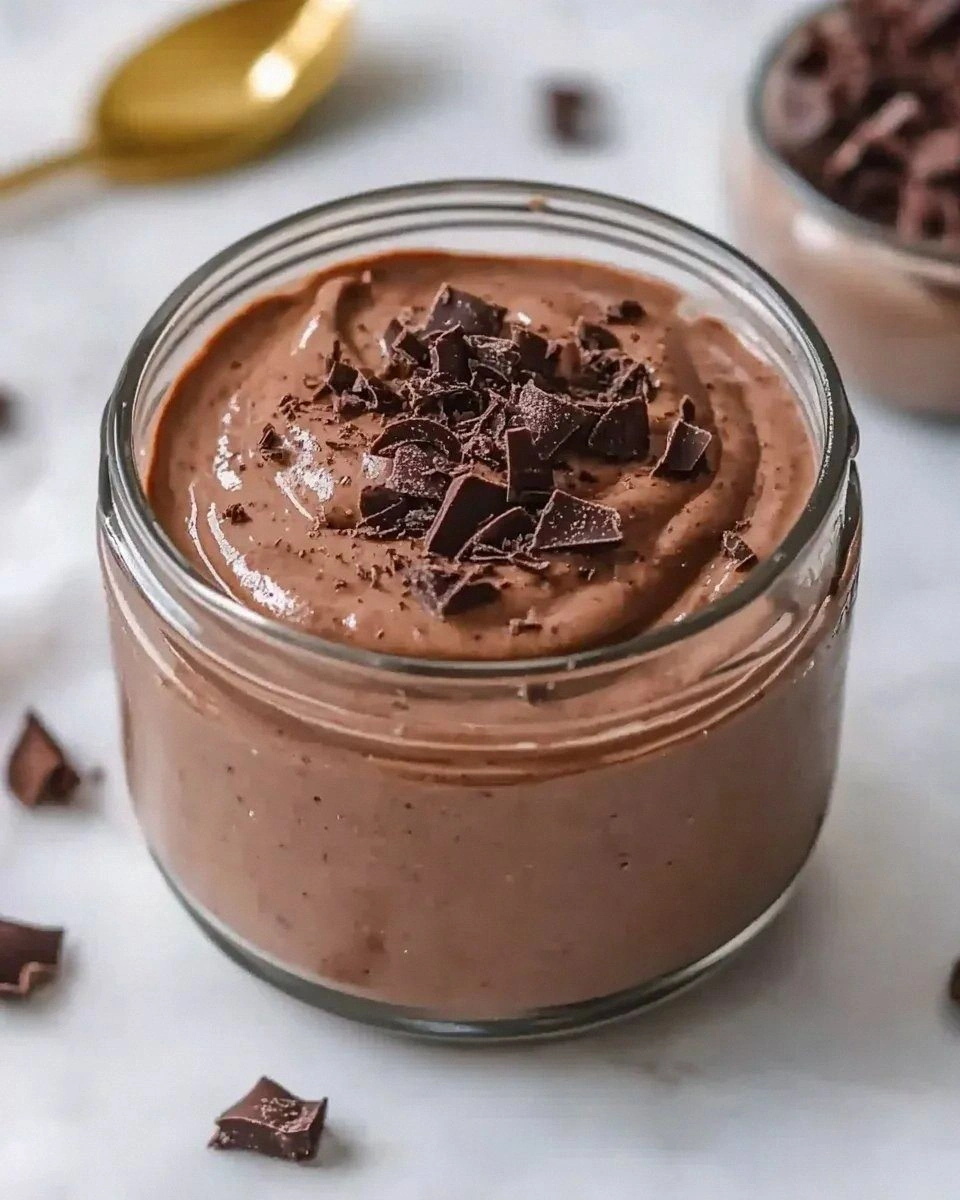
The Method — Step by Step
First, grab a large mixing bowl and give it a quick chill in the freezer for about five minutes. This cold surface is crucial; it prevents the Greek yogurt from warming up too quickly, which would otherwise cause it to separate when the protein powder is added. While the bowl is chilling, measure out one cup of Greek yogurt and pour it into a separate container. I dare you to taste this plain yogurt now – notice the tang, the creaminess, the subtle hint of dairy that’s about to become a masterpiece.
Now, sift half a cup of protein powder through a fine mesh. This step is the difference between a silky pudding and a lumpy disaster. The fine sift breaks up any clumps, ensuring the powder integrates smoothly. As you sift, you’ll hear a soft, almost musical rustle – that’s the sound of success in the making.
Take your chilled bowl out of the freezer and add the Greek yogurt. Using a rubber spatula, start whisking gently in a circular motion. The goal here is to keep the yogurt cool while creating a light aeration – think of it as coaxing a shy cat out of hiding. You’ll notice the mixture becoming slightly fluffier after about 30 seconds; that’s the texture we’re after.
Gradually sprinkle the sifted protein powder over the yogurt while continuing to whisk. This slow incorporation prevents the dreaded “protein clumps” that can ruin the mouthfeel. As the powder disappears, the mixture will thicken, turning a pale ivory into a richer, more substantial base. At this point, you should feel a faint resistance when you lift the spatula – that’s the pudding forming.
Stir in one tablespoon of cocoa powder, followed by the maple syrup (or honey). The cocoa should dissolve completely, creating a deep chocolate hue that looks almost like a rich mousse. The maple syrup adds a subtle caramel sweetness that balances the bitterness of the cocoa. Taste at this stage – you should feel a gentle sweet‑and‑bitter dance on your palate, not an overpowering sugar rush.
Add a splash of milk – roughly a quarter cup – to loosen the mixture just enough for a smooth, spoon‑dripping consistency. Pour the milk in a slow, steady stream while gently folding the pudding; this prevents any sudden temperature shock that could cause the yogurt to curdle. The final texture should be glossy, thick enough to hold its shape on a spoon but fluid enough to glide across the palate.
Cover the bowl with plastic wrap and slide it into the refrigerator for at least 30 minutes. This chilling period lets the flavors meld and the pudding set to a perfect, velvety firmness. While it chills, the chocolate aroma will intensify, making your kitchen smell like a boutique chocolate shop. I’ll be honest — I ate half the batch before anyone else got to try it, because the scent was simply irresistible.
When the time is up, give the pudding a quick stir, then portion it into four serving glasses. Top each with a light dusting of cocoa powder or a drizzle of extra maple syrup if you like a little extra flair. Serve immediately, or keep them sealed for up to two days – they’ll stay creamy and delicious. Picture yourself pulling these glasses out of the fridge, the whole kitchen smelling incredible, and your friends asking for seconds. This next part? Pure magic.
Insider Tricks for Flawless Results
The Temperature Rule Nobody Follows
Never whisk the yogurt at room temperature. Cold yogurt holds its structure better, and the protein powder stays suspended without forming lumps. I once tried this at room temp and ended up with a grainy, curdled mess that tasted like a science experiment gone wrong. Keep everything chilled – bowl, yogurt, even the protein powder if you can – and you’ll get that silk‑smooth mouthfeel every single time.
Why Your Nose Knows Best
The moment the cocoa powder hits the yogurt, your nose will pick up a deep, roasted chocolate scent. If you don’t smell that richness, you’ve probably under‑sifted the cocoa, leaving tiny clumps that won’t dissolve fully. Trust your olfactory cues: a strong chocolate aroma means the flavor will be fully integrated. A friend once skipped the scent check and ended up with a bland pudding that needed an extra spoonful of syrup.
The 5‑Minute Rest That Changes Everything
After whisking, let the mixture rest for five minutes before adding the milk. This pause allows the protein to hydrate fully, creating a thicker base that won’t turn watery once the milk is introduced. I’ve seen beginners pour the milk right away and end up with a runny pudding that never sets. Patience here is a tiny investment for a massive payoff in texture.
The Sweetness Balance Act
Maple syrup is sweet, but cocoa is bitter. If you prefer a less sweet version, start with just one tablespoon of syrup and taste before adding more. Too much sweetener will mask the chocolate’s depth and make the pudding taste like a sugar‑laden yogurt. I once added two full tablespoons and the result was cloyingly sweet – a quick lesson in moderation.
The Final Glaze Trick
Right before serving, lightly spray each portion with a mist of vanilla‑infused almond milk. This adds a whisper of extra flavor and a glossy finish that makes the pudding look restaurant‑ready. It’s a tiny detail that impresses guests and elevates the overall experience. If you’re dairy‑free, the almond milk works perfectly and adds a subtle nutty undertone.
Creative Twists and Variations
This recipe is a playground. Here are some of my favorite ways to switch things up:
Berry Burst
Swirl in a quarter cup of fresh raspberry puree after the pudding has set. The tartness of the berries cuts through the chocolate, creating a delightful contrast that brightens the overall flavor. Perfect for summer evenings when you want a fruity twist.
Mocha Madness
Add a teaspoon of instant espresso powder along with the cocoa. The coffee notes amplify the chocolate depth, turning the pudding into a sophisticated after‑dinner treat. Coffee lovers will thank you for the extra kick.
Nutty Crunch
Fold in a tablespoon of toasted almond slivers just before chilling. The nuts add a subtle crunch that contrasts the pudding’s creaminess, and the toasted flavor adds a buttery richness. Great for those who miss the texture of a traditional parfait.
Spiced Autumn
Mix in a pinch of cinnamon, nutmeg, and a dash of pumpkin puree for a seasonal spin. The warm spices turn the pudding into a cozy, fall‑inspired dessert that pairs beautifully with a cup of tea. Ideal for chilly evenings.
Protein Pancake Layer
Create a thin layer of protein‑packed pancake batter, cook it, and then sandwich the pudding between two pancake circles. This turns the dessert into a handheld treat that’s perfect for brunch or a post‑workout snack. It’s indulgent without betraying the high‑protein ethos.
Storing and Bringing It Back to Life
Fridge Storage
Transfer the pudding into airtight containers or individual serving jars. It will keep fresh for up to 48 hours. Give each portion a gentle stir before serving to recombine any settled layers. If the texture seems a touch thick, add a splash of milk and stir – it’ll return to that perfect spoon‑dripping consistency.
Freezer Friendly
For longer storage, freeze the pudding in single‑serve containers. It holds up for up to three months. When you’re ready to enjoy, transfer to the fridge and let it thaw overnight. The texture remains creamy because the protein matrix stays stable during freezing.
Best Reheating Method
If you prefer a warm version, gently microwave the portion for 15‑20 seconds, then stir in a tiny splash of water or milk. This steam‑infused reheating revives the silky texture without turning the pudding rubbery. Remember, a little heat goes a long way – you don’t want to cook the protein again.