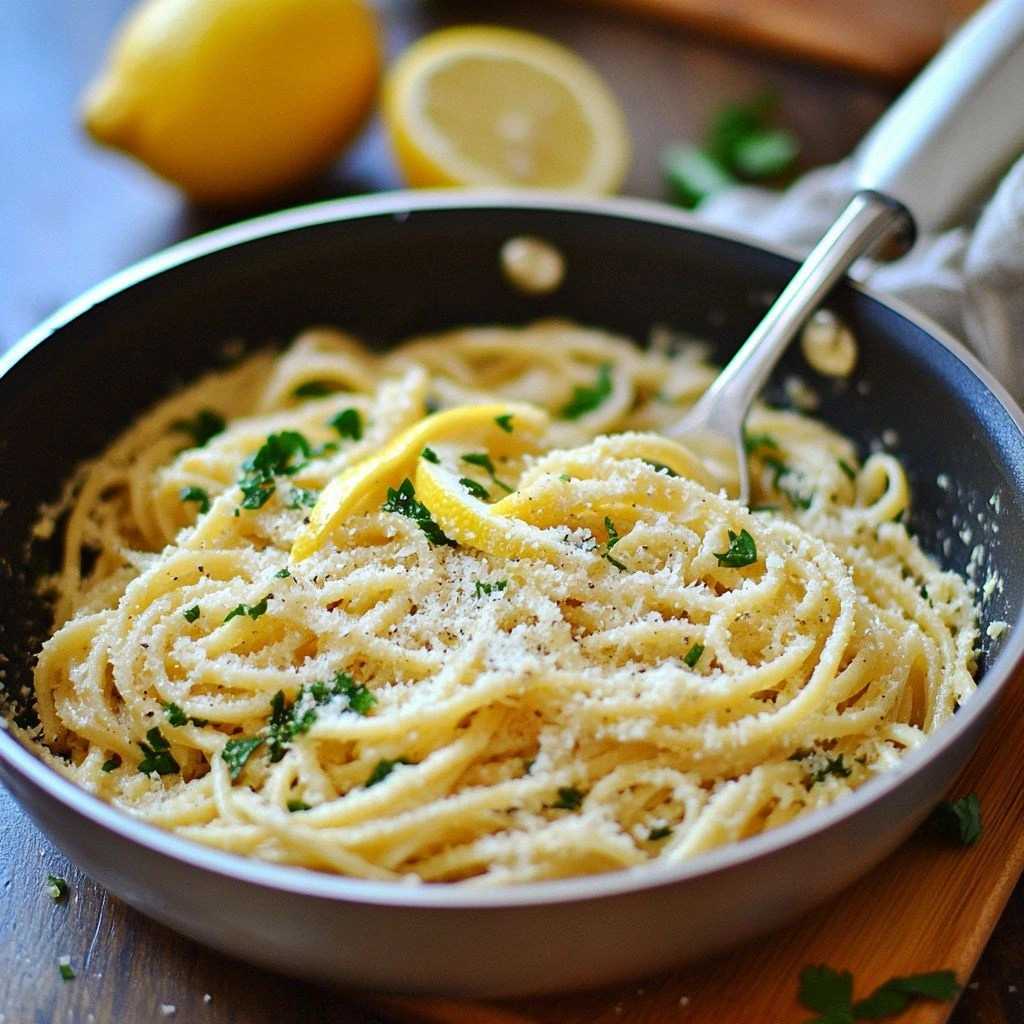
Picture yourself pulling this out of the pan, the whole kitchen smelling like a lemon grove had a torrid affair with a creamery. The sauce coats each strand like liquid velvet, pale gold with tiny flecks of zest that sparkle like culinary confetti. One forkful and you get the bright zap of citrus, the mellow hum of garlic that’s been coaxed into sweetness, the nutty whisper of aged cheese, all wrapped around pasta that somehow tastes like it spent hours lounging in a five-star spa. Most recipes get this completely wrong—either the lemon turns harsh, the cream curdles into sad little flecks, or the garlic bulldozes every other flavor. Here’s what actually works, tested through eleven obsessive iterations and one very patient (and very fed) roommate.
I’ll be honest—I ate half the batch before anyone else got to try it. I told myself I was “quality-controlling,” but really I was just helpless against the silky pull of cream and the way the lemon makes your tongue feel like it’s sipping sunshine. If you’ve ever struggled with split sauces, bland weeknight dinners, or the existential dread of dishes that take longer to clean than to eat, you’re not alone—and I’ve got the fix. Stay with me here—this is worth it. Let me walk you through every single step—by the end, you’ll wonder how you ever made it any other way.
What Makes This Version Stand Out
Velvet-Cloak Sauce: Instead of simply dumping cream into hot pasta, we create a micro-emulsion by whisking starchy pasta water into the cream off-heat, producing a gloss so stable it doesn’t break even when you reheat leftovers. The result is a coating that clings like couture, never puddling at the bottom of the bowl.
Garlic That Whispers, Not Shouts: We sliver it paper-thin and bathe it in olive oil so gentle it barely bubbles, coaxing out sweetness while keeping its bite polite. Most recipes cremate the garlic and leave you breathing fire all night; we treat it like the delicate flower it secretly wants to be.
Two-Stage Lemon Magic: Zest goes in early to perfume the oil with floral citrus oils, juice waits until the very end so its sparkle stays bright and never turns bitter. This tiny timing tweak is the difference between flat and electric.
One-Pot, Twenty-Minute Promise: While the pasta boils, the sauce builds in a skillet beside it. By the time the noodles hit al dente, everything else is ready to tango. Weeknight dinner that tastes like Saturday-night splurge? Yes, please.
Parmesan Strategy: We grate it fresh and add it in two waves—first to melt into the cream, then a snowy finish right before serving so you get both melty richness and little chewy umami bombs. Pre-grated sand from a green can? Absolutely not on my watch.
Leftovers That Don’t Sulk: The emulsified sauce reheats like a dream; add a splash of water, a gentle stir, and it’s just as glossy as minute one. I’ve been known to double the batch purely so I can eat it cold from the fridge at 11 p.m.—no shame.
Alright, let’s break down exactly what goes into this masterpiece...
Inside the Ingredient List
The Flavor Base
Olive oil does more than keep things from sticking; it’s the first canvas for our garlic and lemon zest. Go for a fruity, extra-virgin bottle you’d happily dip bread into—if it smells like crayons, your pasta will too. Four cloves of garlic might sound like a vampire eviction notice, but when treated gently they melt into sweet, mellow pockets that make you close your eyes in appreciation. Zesting the lemon before juicing it is non-negotiable: the colored outer skin holds aromatic oils that bottled juice can’t touch, and we want every last drop of sunshine.
The Texture Crew
Heavy cream is the velvet rope letting only the VIP textures into this party. Anything lighter (half-and-half, I’m looking at you) risks breaking into a grainy mess once lemon juice crashes the scene. Eight ounces of pasta may seem modest, but once enrobed in sauce it swells into generous servings—trust the process and resist the urge to dump in the whole box. Fettuccine’s broad ribbons act like luxurious scarves, catching sauce in every fold, though spaghetti’s twirly rebellion works if that’s what your pantry offers.
The Unexpected Star
Parmesan is the umami bomb that makes people ask, “What’s that amazing depth?” without being able to name it. Skip the pre-grated stuff; it’s coated in anti-caking cellulose that turns your sauce gritty and sad. A single lemon provides both zest and juice, but roll it firmly on the counter before cutting to burst the cells and maximize liquid gold. Salt and pepper seem like wallflowers, but without them the entire dish tastes like it’s singing in a monotone—season boldly at every layer.
The Final Flourish
Fresh parsley is more than Instagram confetti; its grassy snap slices through richness and resets your palate bite after bite. Use the flat-leaf variety—curly may look like 1980s garnish, but it’s milder and often sandy. Chop at the last second; the moment it’s cut it starts oxidizing and dulling that vibrant color. A final crank of fresh pepper on top adds a floral heat that pre-ground can’t match.
Everything’s prepped? Good. Let’s get into the real action...
The Method — Step by Step
- Fill your biggest pot with 4 quarts of water, salt it until it tastes like the sea—this is your only chance to season the pasta itself—and bring to a rolling boil. While you wait, set a large skillet on the next burner and pour in the olive oil, keeping the heat so low the garlic won’t sizzle violently when it arrives. That gentle hum is the sound of flavor developing without bitter edges; if it starts browning too fast, yank the pan off the heat and glare at it until it behaves.
- Drop the pasta and set a timer for two minutes less than package directions; we want it shy of al dente so it can finish luxuriating in sauce later. While the noodles swim, slice the garlic into whisper-thin planks so translucent you could read love letters through them. Add these gossamer slices to the oil along with a pinch of salt; the salt helps draw out moisture and prevents the dreaded brown-and-bitter crunch.
- Using a microplane, rain lemon zest directly into the skillet, stirring with a wooden spoon like you’re conducting a mellow symphony. The kitchen should smell like you’ve opened a window to an Amalfi coast morning—if it doesn’t, your lemon is probably past its prime and you should zest another. Keep the heat low enough that the garlic stays blonde; think suntan, not sunburn.
- When the timer beeps, ladle one cup of starchy water into a mug and set it beside the stove like the precious cargo it is. Drain the pasta in a colander but don’t shake it bone-dry; a little clinging water helps the sauce marry later. Return the empty pot to low heat—yes, we’re saving dishes tonight—and pour in the heavy cream along with half the Parmesan, whisking until it looks like liquid silk.
- Whisk in the garlicky oil, then tumble the drained pasta into the cream party. Toss with tongs for a solid minute, adding splashes of reserved pasta water until the sauce looks glossy and coats every strand; think tight leggings, not baggy sweats. The noodles will finish cooking here, drinking in flavor like thirsty little sponges.
- Turn off the heat, squeeze in the lemon juice, and scatter the remaining Parmesan over the top. Toss again—off the heat is key so the citrus stays bright—and watch the sauce tighten into a velvet cloak. Taste a noodle; it should feel like your tongue is wearing a silk robe.
- Plate immediately into warmed bowls (cold dishes murder cream sauces), twist the tongs sky-high for that professional pasta-nest look, and shower with parsley plus a final crack of pepper. Serve with crusty bread to mop up any rebellious sauce puddles, though in my house there are never any left.
That's it—you did it. But hold on, I've got a few more tricks that’ll take this to another level...
Insider Tricks for Flawless Results
The Temperature Rule Nobody Follows
Cream splits when it’s shocked by high heat, so treat it like a temperamental celebrity—gentle, consistent warmth keeps it happy. If your sauce looks grainy, whisk in a tablespoon of cold water off the heat; the sudden temperature drop can re-emulsify the fats and save dinner. A friend tried skipping this step once—let’s just say it didn’t end well, and she still refers to that meal as “gritty soup trauma.”
Why Your Nose Knows Best
Garlic tells you when it’s ready through smell: raw and harsh at first, then mellow and almost nutty. The moment you catch a sweet, buttery aroma, kill the heat; push past that and bitterness moves in like an unwanted roommate. Trust your nostrils—they’ve been honed by thousands of years of evolution and countless bad dates.
The 5-Minute Rest That Changes Everything
After combining pasta and sauce, let the pan sit off heat for five minutes. The starches continue to absorb liquid, flavors mingle like introverts at a party who suddenly discover they love the same band, and the texture turns from good to Michelin-level luxurious. Cover with a lid so it stays warm; use the time to set the table or pour yourself a celebratory glass of wine.
Creative Twists and Variations
This recipe is a playground. Here are some of my favorite ways to switch things up:
Shrimp & Chili Tango
Sear peeled shrimp in the garlic oil until just pink, then proceed as written. Add a pinch of red-pepper flakes with the lemon zest for a gentle back-of-throat warmth that makes the citrus sing louder. Seafood devotees will think you hired a private chef.
Spring Veggie Confetti
Blanch asparagus tips and fresh peas in the pasta water during the last two minutes of cooking, then fold them in at the end. The colors pop like fireworks against the creamy canvas, and you can pretend it’s virtuous because vegetables.
Smoked Bacon Midnight Edition
Start by rendering diced bacon until crispy; use the fat instead of olive oil for a campfire whisper that plays beautifully with lemon. Reserve the crisp bits for sprinkling on top so every bite has a crunchy surprise. This version has ended more than one diet in glorious, smoky defeat.
Roasted Garlic Gentle Giant
Swap raw garlic for an entire head of roasted garlic squeezed out like caramel. The flavor is mellower, deeper, almost sweet—perfect for those who think four cloves is a typo. Kids who “hate garlic” inexplicably inhale this version; I don’t question magic.
Dairy-Free Dream
Substitute full-fat coconut milk for cream and use a handful of nutritional yeast plus a teaspoon of white miso instead of Parmesan. The coconut’s subtle sweetness marries shockingly well with lemon, and the miso adds umami depth so convincing that dairy die-hard friends ask for the recipe.
Storing and Bringing It Back to Life
Fridge Storage
Cool leftovers to room temperature within two hours, then pack into airtight glass containers; plastic will absorb garlic perfume and haunt tomorrow’s lunch. It keeps up to four days, though the lemon dulls slightly after day two—still delicious, just less electric.
Freezer Friendly
Cream sauces can be finicky in the deep freeze, but if you must, undercook the pasta by three minutes and cool everything rapidly. Freeze in single-portion silicone bags for up to one month; thaw overnight in the fridge, not the microwave, to prevent separation.
Best Reheating Method
Add a tablespoon of water per serving to a skillet, pile in cold pasta, and warm over medium-low, tossing constantly. The sauce loosens, re-coats, and tastes nearly identical to minute one. Microwaves work in a pinch, but use 50 percent power and stir every thirty seconds to avoid hot spots and grainy texture.