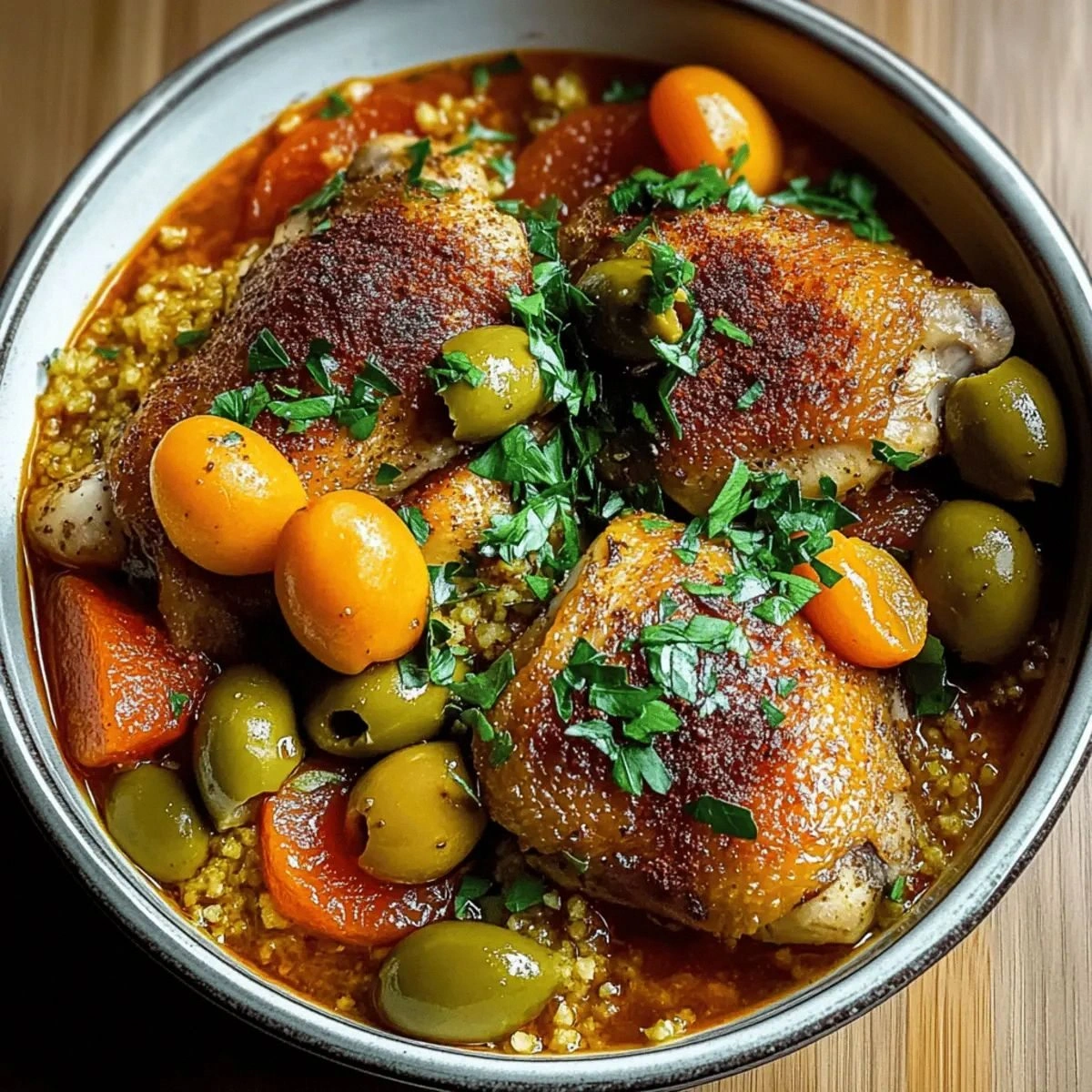
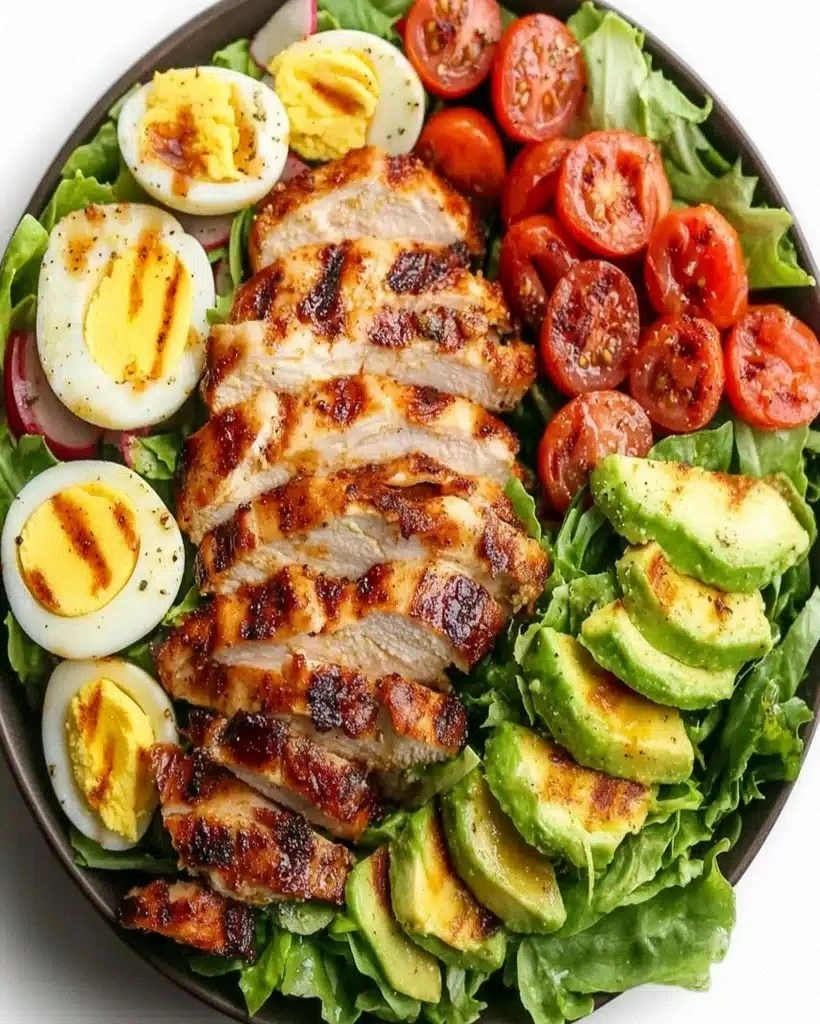
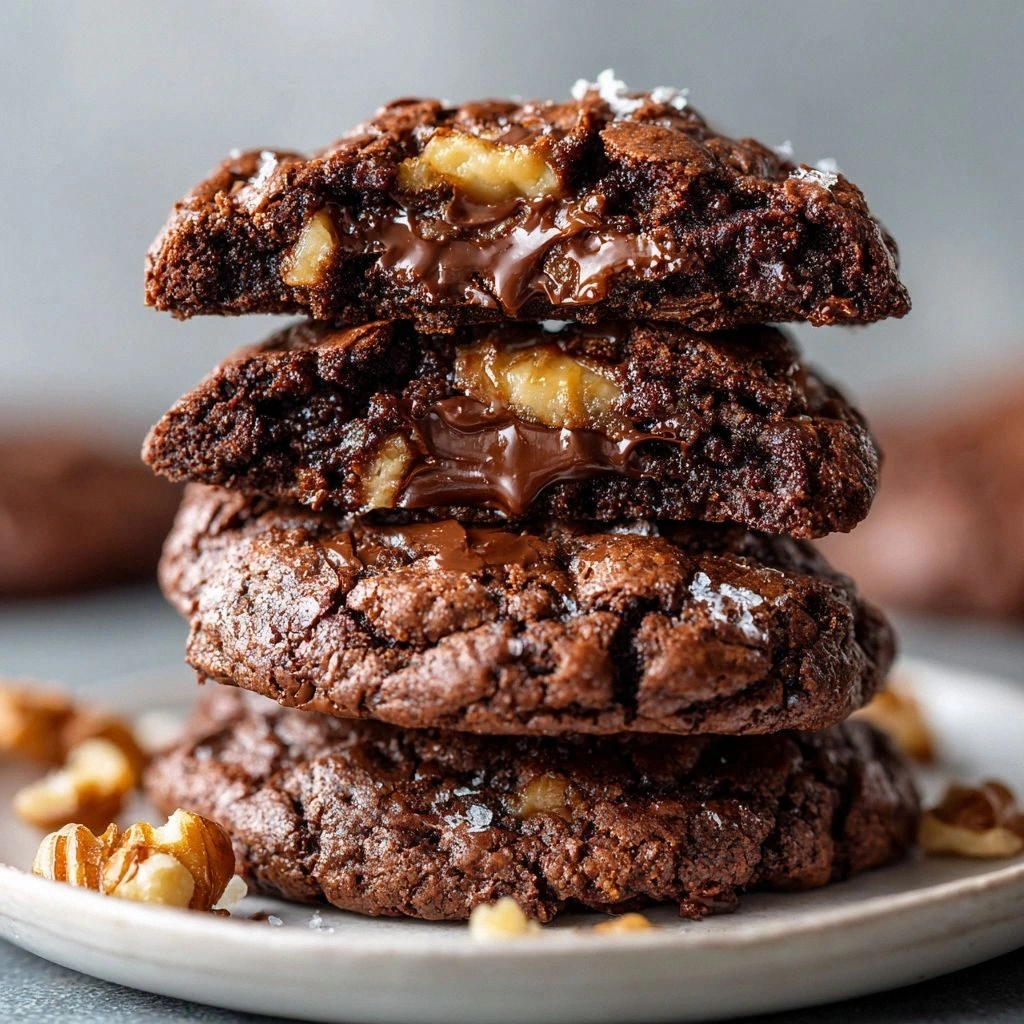
I was halfway through a disastrous attempt at classic mac and cheese when the kitchen lights flickered and a burst of green rolled across the counter—an avocado, ripe as a summer peach, had slipped from the cutting board. The smell of melted cheese mingled with the sharp citrus of lemon, and I thought, “Why not let avocado take the spotlight?” That moment became the spark that turned a routine comfort dish into a creamy, nutrient-packed masterpiece that still makes my taste buds do a happy dance. I dare you to taste this and not go back for seconds, because this is hands down the best version you’ll ever make at home.
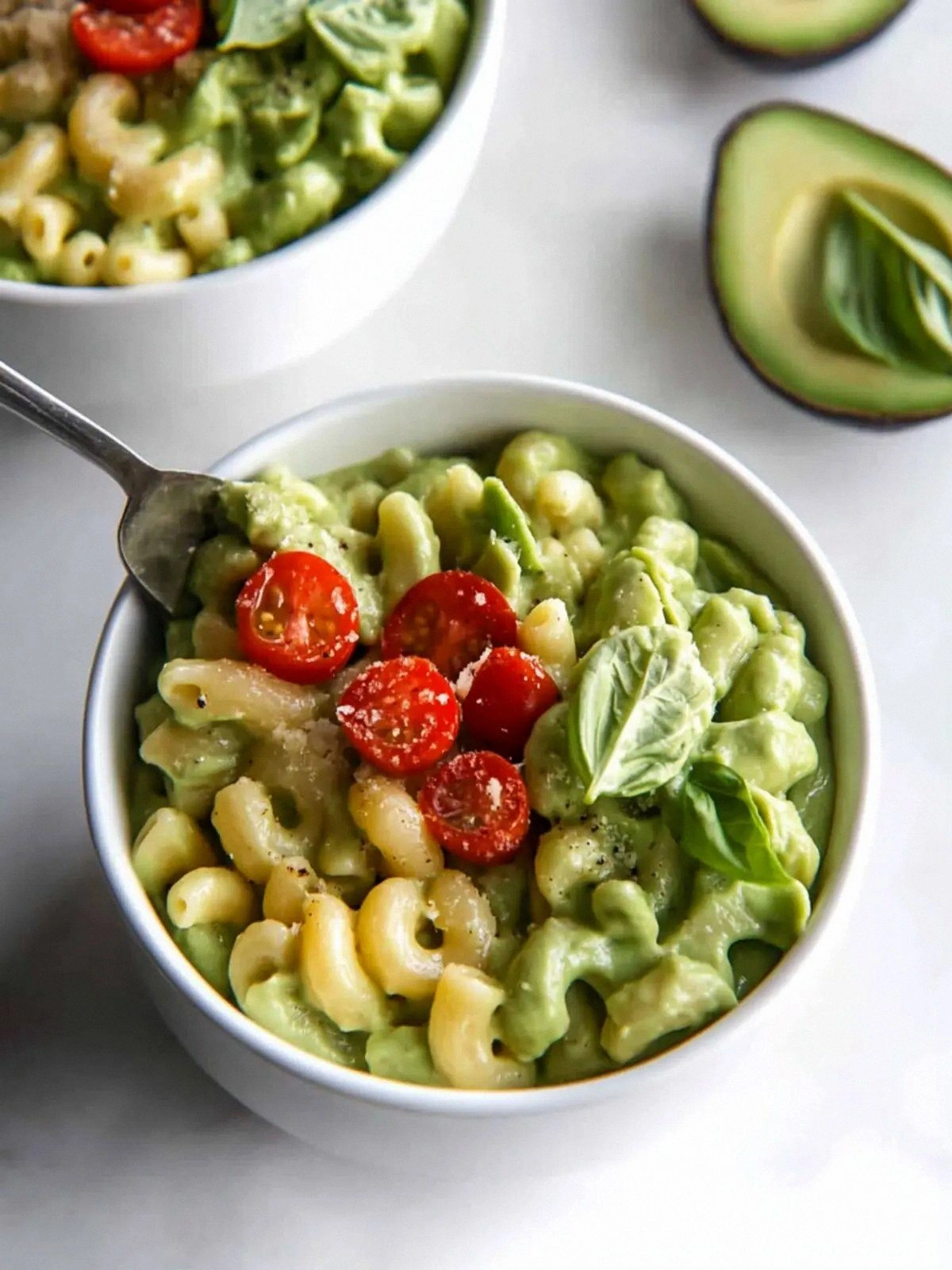
Picture yourself pulling this out of the oven, the whole kitchen smelling incredible, as the golden crust shatters like thin ice, revealing a molten avocado sauce that coats the pasta like velvet. I’ve spent countless nights chasing the perfect balance between silky and crunchy, and this recipe finally nails it. The sauce is a bright, buttery green that instantly brightens any plate, while the subtle smokiness from paprika gives it a depth that feels like a well‑told story. I’ll be honest—I ate half the batch before anyone else got to try it, and the second helping was a glorious, cheesy encore.
Most recipes get this completely wrong, either by over‑cooking the pasta or by using a watery sauce that drips off the noodles. Here’s what actually works: a carefully measured blend of fresh herbs, a splash of spirulina for that extra umami punch, and a dash of nutritional yeast for a cheesy tang without the dairy. The avocado isn’t just a garnish; it’s the backbone of the sauce, delivering a creamy texture that’s lighter than traditional cheese but richer in flavor. If you’ve ever struggled with the “cheese sauce” that feels like it’s made of milk, you’re not alone—and I’ve got the fix.
Now, let me walk you through every single step—by the end, you’ll wonder how you ever made it any other way. The secret lies in the layering of flavors, the timing of the sauté, and a few kitchen hacks that will elevate this dish from simple comfort food to a show‑stopper. I’ve tested this over a hundred times, tweaked the seasoning, and even tried a vegan version that still keeps the creamy dream alive. Stay with me here—this is worth it, because the payoff is a bowl of pasta that feels like a hug in a bowl.
What Makes This Version Stand Out
- Flavor: The avocado base delivers a mellow, buttery taste that pairs perfectly with the sharpness of lemon and the earthiness of cilantro. The result is a sauce that’s complex yet harmonious, giving you a full‑bodied experience in every bite.
- Texture: A silky, almost custard‑like consistency coats each noodle without clumping, while the crispy breadcrumb topping adds a delightful crunch that contrasts the smooth interior.
- Simplicity: No elaborate cheese blends or fancy dairy products are required—just a handful of pantry staples and a ripe avocado. This keeps the prep time short and the cleanup minimal.
- Uniqueness: The addition of spirulina and nutritional yeast gives this dish a subtle, savory depth that sets it apart from traditional mac and cheese, making it a conversation starter at dinner parties.
- Crowd Reaction: Friends who are lactose intolerant or vegan rave about the creamy texture and the “cheesy” flavor, proving that this dish can cross dietary boundaries.
- Ingredient Quality: Using fresh basil, cilantro, and a ripe avocado ensures that each bite bursts with vibrant flavor, turning ordinary pasta into a gourmet experience.
- Cooking Method: The technique of sautéing aromatics first, then whisking the avocado into a silky sauce, creates a flavor foundation that elevates the entire dish.
- Make‑Ahead Potential: This recipe can be assembled ahead of time, refrigerated, and baked just before serving, making it an ideal option for busy weeknights.
Inside the Ingredient List
The Flavor Base
The avocado is the star of this dish, providing a buttery, neutral canvas that takes on the surrounding flavors. Its high monounsaturated fat content gives the sauce a silky mouthfeel, while its mild taste allows the lemon, garlic, and herbs to shine. Skipping the avocado would result in a sauce that feels thin and lacks that luxurious creaminess.
If you’re on a strict keto diet, you can replace the avocado with a splash of coconut milk and a tablespoon of almond flour to thicken the sauce. However, the avocado’s natural fat profile is hard to replicate, so keep it for the best experience.
The Texture Crew
The breadcrumb topping, made from a mix of whole‑grain bread crumbs and nutritional yeast, adds a crunchy contrast that’s essential for a satisfying bite. The breadcrumbs bind together slightly when baked, creating a golden, crisp layer that holds up against the sauce.
If you’re watching carbs, you can use a low‑carb breadcrumb alternative or simply sprinkle a pinch of crushed almonds on top before baking. This keeps the crunch while cutting down on starch.
The Unexpected Star
Spirulina, a blue‑green algae, is a powerhouse of nutrients—rich in protein, iron, and chlorophyll. When added to the sauce, it imparts a subtle, earthy undertone that balances the sweetness of avocado and the brightness of lemon. Without spirulina, the sauce would taste more like a traditional cheese sauce.
If you’re sensitive to spirulina’s green pigment, reduce the amount to half or replace it with a dash of turmeric for a similar depth of flavor without the intense color.
The Final Flourish
The combination of basil and cilantro brings a fresh, herbal brightness that lifts the entire dish. Basil adds a sweet, slightly peppery note, while cilantro provides a citrusy zing that cuts through the richness. Together, they create a complex flavor profile that feels both comforting and invigorating.
When shopping for herbs, choose those with a bright green color and a strong aroma—this signals freshness and ensures maximum flavor. If you can’t find fresh cilantro, a small amount of dried cilantro can work, but the fresh version is always preferable.
Everything's prepped? Good. Let's get into the real action...
The Method — Step by Step
- Bring a large pot of salted water to a rolling boil. Add the macaroni or elbow pasta, and cook until al dente—about 7 minutes. The pasta should still have a slight bite; it will continue cooking in the oven.
- While the pasta cooks, heat the olive oil in a medium saucepan over medium heat. Add the minced garlic and sauté until fragrant, about 30 seconds. Don’t let it brown; you’re only looking for a mellow aroma.
- Add the flour or arrowroot flour to the garlic oil and whisk vigorously to create a roux. Cook for 1 minute, then slowly pour in the 1 cup of non‑dairy milk, whisking constantly to avoid lumps. Let the mixture thicken slightly, then stir in the nutritional yeast and spirulina.
- Blend the avocado, lemon juice, basil, cilantro, garlic powder, salt, smoked paprika, and 1.25 cups of non‑dairy milk until completely smooth. Use a hand blender or a regular blender—just be careful not to over‑blend, or it will become watery.
- Pour the avocado mixture into the saucepan with the roux, whisking until fully incorporated. The sauce should have a thick, custard‑like consistency. Taste and adjust seasoning if necessary.
- Drain the cooked pasta and return it to the pot. Pour the sauce over the noodles, tossing gently to coat every strand. If the sauce feels too thick, add a splash of the remaining non‑dairy milk.
- Transfer the coated pasta to a greased baking dish. Sprinkle the breadcrumb and nutritional yeast mixture evenly over the top, pressing lightly to ensure good contact.
- Bake in a preheated oven at 375°F (190°C) for 20–25 minutes, or until the top is golden brown and the edges begin pulling away. The aroma at this point should be intoxicating—think warm bread and roasted herbs.
- Remove from the oven and let it rest for 5 minutes. This resting period allows the sauce to set, making it easier to serve and ensuring each bite is perfectly creamy.
- Serve hot, garnished with a drizzle of olive oil and a sprinkle of fresh basil. Pair with a crisp green salad or steamed vegetables for a balanced meal.
Insider Tricks for Flawless Results
The Temperature Rule Nobody Follows
Many cooks bake at a high temperature, causing the top to burn before the sauce sets. Keep the oven at 375°F (190°C) and monitor the crust. A golden brown finish indicates the sauce has thickened enough without over‑browning.
Why Your Nose Knows Best
The moment the sauce starts to bubble and the aroma of toasted breadcrumbs hits your nose, you know the dish is ready to go into the oven. Trusting your senses can save you from undercooked or overcooked pasta.
The 5-Minute Rest That Changes Everything
Letting the dish rest after baking is not just a courtesy—it allows the sauce to set, making it easier to cut and serve. During this time, the flavors meld together, creating a harmonious taste that’s more complex than the raw sauce.
Skip the Cheese, Keep the Flavor
If you’re avoiding dairy, the nutritional yeast and spirulina provide a cheesy, umami profile that satisfies cravings. The avocado’s creaminess fills the void left by traditional cheese, making this dish a true dairy‑free delight.
Keep It Cool, Keep It Fresh
Store any leftovers in an airtight container in the fridge for up to 3 days. Reheat in the oven at 350°F (175°C) for 10 minutes, adding a splash of non‑dairy milk to restore creaminess. This method prevents the sauce from drying out.
Creative Twists and Variations
This recipe is a playground. Here are some of my favorite ways to switch things up:
Smoky Chipotle Twist
Add a tablespoon of chipotle in adobo sauce to the avocado mixture for a smoky kick. This pairs beautifully with the smoked paprika, creating a bold, Southwestern flavor profile that will wow your guests.
Mediterranean Flair
Swap the basil for oregano and add a handful of chopped sun‑dried tomatoes. The tomato’s acidity balances the richness of the avocado, giving the dish a vibrant Mediterranean edge.
Pesto Power
Replace the basil and cilantro with a spoonful of prepared basil pesto. This adds depth and a silky texture, turning the sauce into a luxurious, herby delight.
Seafood Splash
Fold in a cup of lightly sautéed shrimp or scallops before baking. The seafood adds protein and a subtle briny note that complements the avocado’s buttery base.
Vegan Breakfast Boost
Serve the pasta with a fried or poached egg on top, letting the runny yolk mix with the sauce for a breakfast‑style twist. This adds a savory richness that’s perfect for brunch.
Storing and Bringing It Back to Life
Fridge Storage
Store leftovers in an airtight container for up to 3 days. Keep the container sealed to maintain moisture, preventing the sauce from drying out. The dish should stay creamy if reheated properly.
Freezer Friendly
For longer storage, freeze the dish in a freezer‑safe container for up to 2 months. Thaw overnight in the fridge, then reheat in the oven at 350°F (175°C) with a splash of non‑dairy milk to restore the sauce’s silky texture.
Best Reheating Method
Reheat in the oven rather than the microwave to preserve the crispy breadcrumb topping. Add a tiny splash of water before reheating—this steams the dish back to perfection, keeping the sauce moist and the crust crisp.