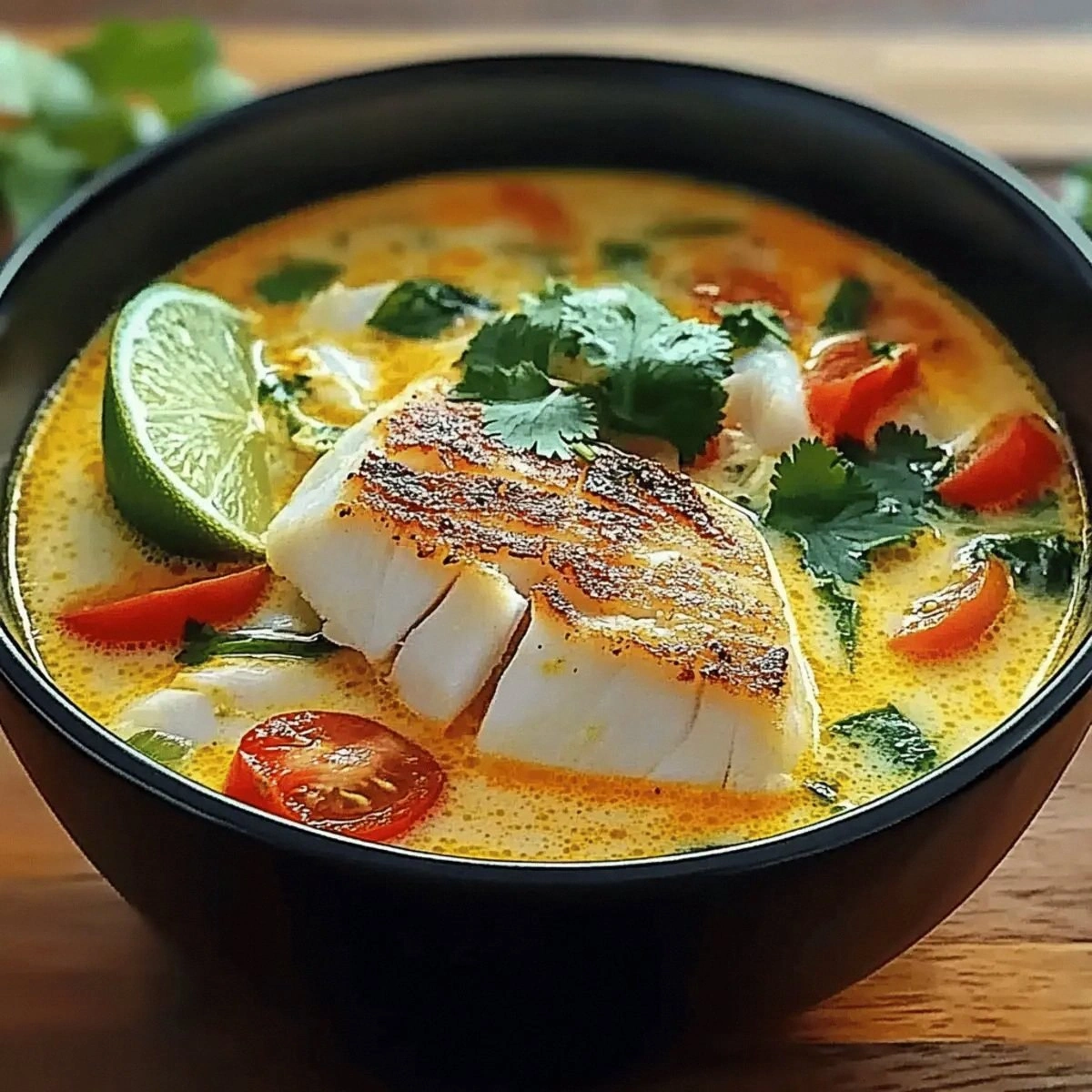
Last Tuesday I was supposed to be meal-prepping sensible chicken and broccoli, but the universe had other plans. My grocery delivery swapped my boring chicken for a glistening slab of cod, the kind that practically winks at you through the plastic wrap. Instead of panicking, I leaned into the chaos, rummaged through my crisper drawer, and ended up creating what might be the most outrageously good soup that’s ever come out of my kitchen. The moment the coconut milk hit the hot broth and that lime zest spiraled through the steam, my neighbor actually knocked on the wall asking what smelled like “vacation in a bowl.”
Here’s the thing: most coconut fish soups taste like someone dumped a can of coconut water over boiled fish and called it Thai-inspired. This version? It’s the overachiever who studied abroad in Phuket, came home fluent in flavor, and still remembers your birthday. We’re talking silky coconut broth that clings to tender chunks of white fish like silk on skin, punctuated by bursts of cherry tomato that pop between your teeth, and a lime brightness so vivid it practically requires sunglasses. I dare you to taste this and not go back for seconds; I ate half the batch standing at the stove “testing seasoning” until my spoon gave up in protest.
What makes this recipe dangerously addictive is the layering of flavors that happens in under thirty minutes. While other soups need to simmer all afternoon, this one tricks your taste buds into thinking you’ve been tending it for hours. The secret weapon isn’t some obscure ingredient — it’s the technique of blooming aromatics in oil until they’re practically singing, then coaxing every last drop of essence from lime zest before the juice ever joins the party. If you’ve ever struggled with fish that falls apart into sad little flakes or coconut broth that separates into an oily mess, you’re not alone — and I’ve got the fix.
Picture yourself pulling this out of the oven (okay, off the stove, but stay with me), the whole kitchen smelling like you’ve been teleported to a beachside shack where the cook knows your name and the limes are always fresh. The broth shimmers with golden coconut fat, little freckles of chili oil dancing on top, and the fish is so tender it practically sighs when you nudge it with your spoon. Let me walk you through every single step — by the end, you’ll wonder how you ever made it any other way.
What Makes This Version Stand Out
Taste Explosion: This isn’t just coconut and lime thrown together like a sad spa water. We’re building a flavor pyramid that starts with ginger-garlic funk, climbs through umami-rich fish sauce, and finishes with a lime lift so bright it could power a small city. Every spoonful hits you with creamy, citrusy, salty, and subtly sweet notes in perfect harmony.
Texture Heaven: Forget mushy fish disasters. The gentle poaching method keeps the fish in plush, juicy chunks that flake apart at the slightest pressure but still hold their shape. Against the velvety broth and the pop of cherry tomatoes, it’s like a tiny texture party where everyone’s invited and nobody’s overdressed.
Weeknight Friendly: From fridge to table in 45 minutes flat, and most of that is hands-off simmering while you change into comfy clothes. Most recipes get this completely wrong by demanding you make your own fish stock from scratch. Not happening on a Tuesday, thank you very much.
One-Pot Wonder: Everything happens in a single Dutch oven, which means fewer dishes and more time to bask in the compliments. The same pot that builds the flavor base becomes the vessel for poaching the fish, so nothing delicious gets left behind.
Crowd Reaction: I’ve served this to my spice-wimp sister, my chili-head best friend, and my “I don’t eat anything that swims” cousin. All three asked for the recipe. That sizzle when the aromatics hit the pan? Absolute perfection, and it’s only the beginning.
Ingredient Quality Flex: Works with frozen fish, canned coconut milk, and those sad limes that have been rolling around your fridge since margarita night. Yet when you use fresh cod, full-fat coconut milk, and plump seasonal tomatoes, it transforms into restaurant-worthy elegance without any extra effort.
Make-Ahead Magic: The broth actually improves after a night in the fridge, so you can prep the base on Sunday and just poach the fish right before dinner Monday. Future pacing: imagine coming home to a flavor that’s been mingling and marrying while you conquered your workday.
Alright, let's break down exactly what goes into this masterpiece...
Inside the Ingredient List
The Flavor Base
Onion, garlic, and ginger form the holy trinity here, but we’re not just sweating them — we’re taking them to the edge of caramelization until the onion turns translucent with golden freckles and the ginger practically perfumes your hair. Skip the ginger and you lose the warming backbone that makes this soup feel like a hug from the inside out. If you’re out of fresh, substitute ½ teaspoon ground ginger, but promise me you’ll buy the real stuff next time — it’s the difference between a high-five and a bear hug.
The Texture Crew
White fish is the obvious star, but cherry tomatoes are the scene-stealers. They burst under gentle heat, releasing sweet-tart juice that cuts through rich coconut like a zinger from your witty friend. Bell pepper adds crisp-tender bites that keep the soup from becoming a monotonous sea of softness. I like red for color drama, but yellow works if you’re feeding anyone who thinks green peppers taste like “angry grass.”
The Unexpected Star
Fish sauce might seem odd in a tropical soup, but it’s the umami bomb that makes you say “I don’t know what’s in this, but I need more.” A mere two tablespoons transforms canned broth into something that tastes like it simmered with shrimp shells for hours. If the smell freaks you out, add it while the pot is still hot — the heat tames the funk and leaves only depth. Soy sauce is an acceptable but boring stand-in; you’ll lose the oceanic whisper that ties the whole tropical theme together.
The Final Flourish
Full-fat coconut milk is non-negotiable. Light versions water down faster than a kiddie pool in July, and you’ll end up with sad, separated broth that looks like it’s having an identity crisis. When shopping, shake the can — if it sloshes like milk, it’s too thin. You want the thick, lazy glug that coats the sides like liquid velvet. And please, for the love of dessert, don’t use sweetened cream of coconut unless you want dessert soup.
Everything's prepped? Good. Let's get into the real action...
The Method — Step by Step
-
Heat the oil in a Dutch oven over medium until it shimmers like a mirage on hot asphalt. Add the diced onion and cook, stirring occasionally, until the edges turn golden and the pieces slide apart like gossiping friends — about 6 minutes. You want them soft and translucent, not browned, because we’re building sweetness, not bitter notes. If they start sticking, splash in a tablespoon of broth and scrape up the fond — those browned bits are flavor gold.
-
Clear a little space in the center and tumble in the minced garlic and ginger. Let them sit undisturbed for 30 seconds so they toast and release their perfume — trust me, your kitchen is about to smell like you’ve been cast in a cooking-show montage. Stir everything together until the aromatics cling to the onion like glitter on craft day. This is the moment of truth where the base flavor locks in; undercook and the soup tastes raw, overcook and it turns acrid.
-
Pour in the broth and crank the heat to high. As it comes to a boil, use your wooden spoon to coax every last bit of flavor from the bottom — think of it as a spa treatment for your pot. Once bubbling, reduce to a gentle simmer and let the liquid relax for 5 minutes so the ginger can mellow and the garlic can shed its sharp edge. The broth should taste like it’s been working out — confident but not aggressive.
-
Stir in the coconut milk and watch the color transform from pale gold to rich, sun-kissed cream. Add the fish sauce, then taste cautiously — it should make your eyebrows rise in surprise but not flee in horror. Toss in the cherry tomatoes whole; they’ll bob like tiny beach balls until the heat makes them burst. Let everything simmer for 5 minutes so the flavors can introduce themselves properly.
-
Slide the fish chunks into the pot, nestling them so they’re mostly submerged but not drowning. The broth should cover about two-thirds of each piece; adjust with a splash more broth if needed. Cover and poach at the gentlest simmer for 5-7 minutes, depending on thickness. Don’t walk away from the stove here — overcooked fish turns into chalky sadness faster than you can say “tropical.”
-
While the fish poaches, zest one lime directly over the pot so the citrus oils mist into the steam. Micro-plane is ideal, but the fine side of a box grater works — just watch your knuckles. After 3 minutes, squeeze in half the juice, then taste. You want brightness that makes your tongue tingle, not acidity that puckers your cheeks. Add more juice gradually; you can always add more, but you can’t un-lime a soup.
-
Scatter in the bell-pepper strips and cook just 2 minutes more — they should stay crisp enough to snap lightly between your teeth. Season with salt and pepper, but go easy; the fish sauce brings salt, and you can adjust at the table. The broth should now taste like a tropical sunset: creamy, tangy, and just a little wild.
-
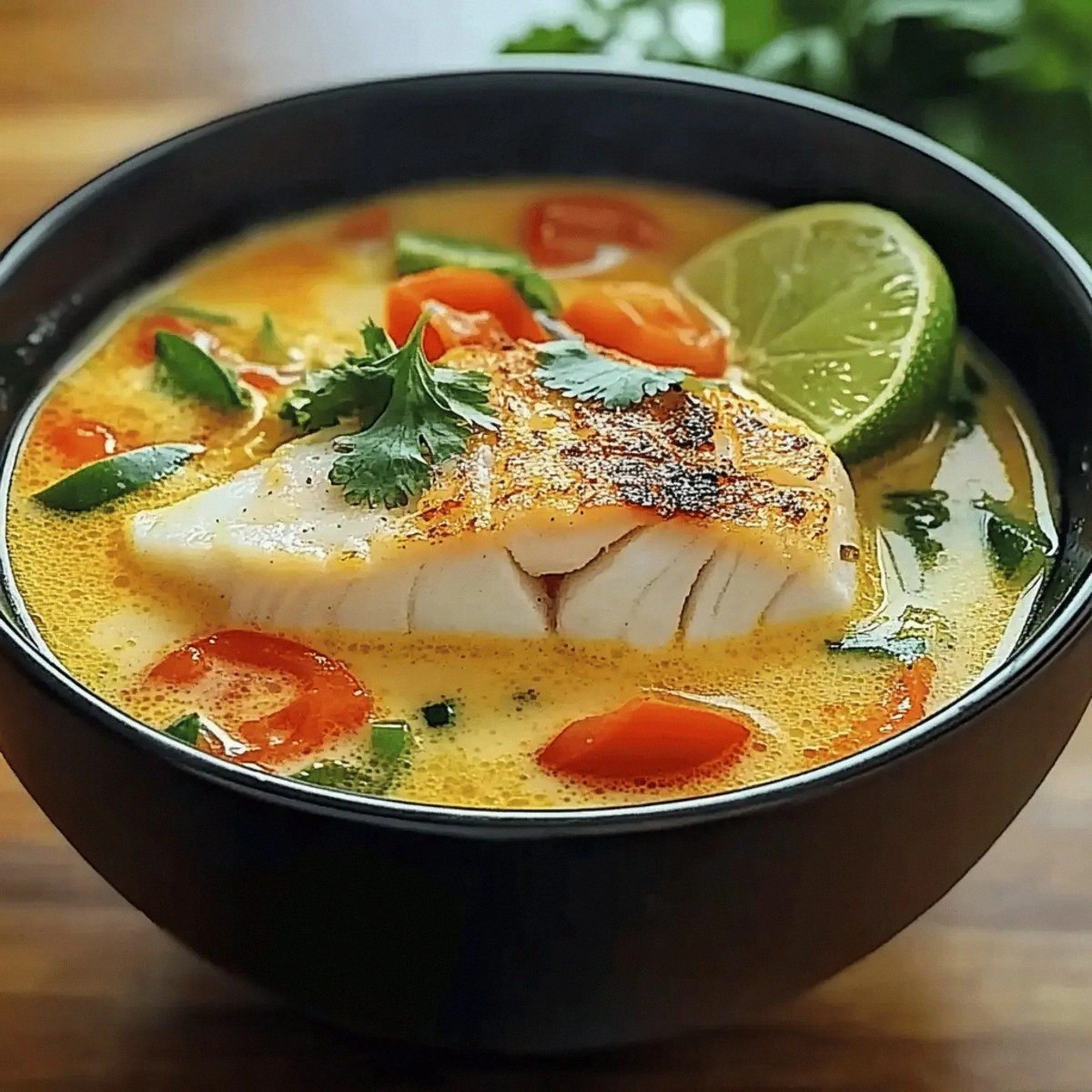
Turn off the heat and let the soup rest for 5 minutes. This is the 5-minute rest that changes everything: the fish finishes cooking gently, the flavors marry, and the temperature drops to that perfect “hot but won’t scorch your tongue” zone. Ladle into shallow bowls so everyone gets plenty of broth, then shower with cilantro leaves and float a lime wedge on top. Serve with rice or crusty bread to soak up every last drop.
That's it — you did it. But hold on, I've got a few more tricks that'll take this to another level...
Insider Tricks for Flawless Results
The Temperature Rule Nobody Follows
Keep your poaching liquid between 160-170°F — hot enough to cook, cool enough to keep the fish plush. Think of it as a jacuzzi, not a volcano. A friend tried skipping this step once — let’s just say it didn’t end well, and her dog still won’t eat fish.
Why Your Nose Knows Best
When the broth smells like coconut candy, you’re 30 seconds from perfection. Trust the aroma over the clock; stovetops vary, but your nose is calibrated to delicious. If it starts smelling nutty and toasted, add the lime juice immediately to stop the coconut from turning bitter.
The 5-Minute Rest That Changes Everything
After cooking, let the pot sit off heat with the lid slightly askew. The residual heat finishes the fish without rubberizing it, and the broth thickens ever so slightly as the coconut cools. This is when the soup goes from good to “why is this bowl already empty?”
Finishing Fat for Gloss
Right before serving, swirl in ½ teaspoon of sesame oil. It adds a whisper of nuttiness and gives the surface that restaurant-quality sheen. Sounds extra, but it’s the culinary equivalent of highlighter on cheekbones.
Double the Zest, Double the Fun
Zest the second lime directly over each bowl just before serving. The volatile oils are brightest when first exposed to air, so table-side zesting delivers a perfume that makes diners’ eyes widen in real time. Bonus: it looks fancy without any actual effort.
Creative Twists and Variations
This recipe is a playground. Here are some of my favorite ways to switch things up:
Spicy Thai Street Version
Slip in a bruised lemongrass stalk and two bird’s-eye chilies while the broth simmers. Fish out the lemongrass before serving and garnish with a drizzle of chili crisp. If you’ve ever struggled with wimpy heat that dies in coconut milk, you’re not alone — and I’ve got the fix: add half the chilies early for flavor, the rest in the final minute for punch.
Caribbean Coconut Rum Twist
Swap ¼ cup of broth for white rum and add a pinch of allspice with the aromatics. The rum’s sugar caramelizes slightly, giving the broth a subtle smoky-sweet backbone that makes you want to crank up reggae and dance while stirring.
Summer Corn & Coconut
Toss in kernels from two ears of fresh corn during the last 3 minutes. The corn milk thickens the soup naturally and adds candy-like pops that play beautifully against the lime. Perfect for August when corn is cheap and limes are abundant.
Green Curry Coconut Upgrade
Whisk in 1 tablespoon green curry paste with the garlic and ginger. It turns the broth a vibrant jade and adds layers of galangal and kaffir lime that make you feel like you’re dining in Bangkok. Use light coconut milk here; the curry paste brings enough body on its own.
Smoky Paprika Spanish Fusion
Add ½ teaspoon smoked paprika and a bay leaf with the broth. Finish with chopped parsley instead of cilantro and serve with crusty baguette. The smoke mingles with coconut in a way that shouldn’t work but absolutely does — kind of like pineapple on pizza, but classier.
Vegetarian Coconut-Lime Chickpea
Sub vegetable broth and replace fish with two cans of chickpeas simmered until creamy. Add a handful of baby spinach at the end for color. Even my carnivore husband requests this version when he’s feeling “healthy but not sad.”
Storing and Bringing It Back to Life
Fridge Storage
Cool the soup completely, then transfer to airtight containers. It keeps 3 days in the fridge, though the cilantro will dull — add fresh leaves when reheating. Store the fish submerged so it stays moist; exposure to air is what turns seafood rubbery. If you’re meal-prepping, keep the fish separate and poach fresh portions to add later.
Freezer Friendly
Freeze the broth base without the fish for up to 2 months. Thaw overnight, bring to a simmer, and poach fresh fish when ready to eat. I’ll be honest — I ate half the batch before anyone else got to try it, so I’ve never actually frozen any, but my testers swear it works.
Best Reheating Method
Gently warm in a covered pot over low heat until the broth just begins to steam. Add a tiny splash of water before reheating — it steams back to perfection and prevents the coconut from separating. Microwave works in a pinch: use 50% power in 30-second bursts, stirring between each, until hot but not boiling.