The first time I tried to make a coconut flan, I was convinced I could turn a simple dessert into a show‑stopper. I had just bought a bag of coconut milk, a can of sweetened condensed milk, and a handful of eggs, and I was ready to roll. Instead, I ended up with a lumpy, under‑cooked custard that looked more like a rubbery pudding than a silky, golden flan. I could hear the sizzling of the caramel melt, the clatter of the ramekins, and the faint hiss of steam as I tried to salvage it. That disastrous kitchen moment became my personal mission: to discover the ultimate version of this dessert and share every secret with anyone who loves a truly indulgent treat.
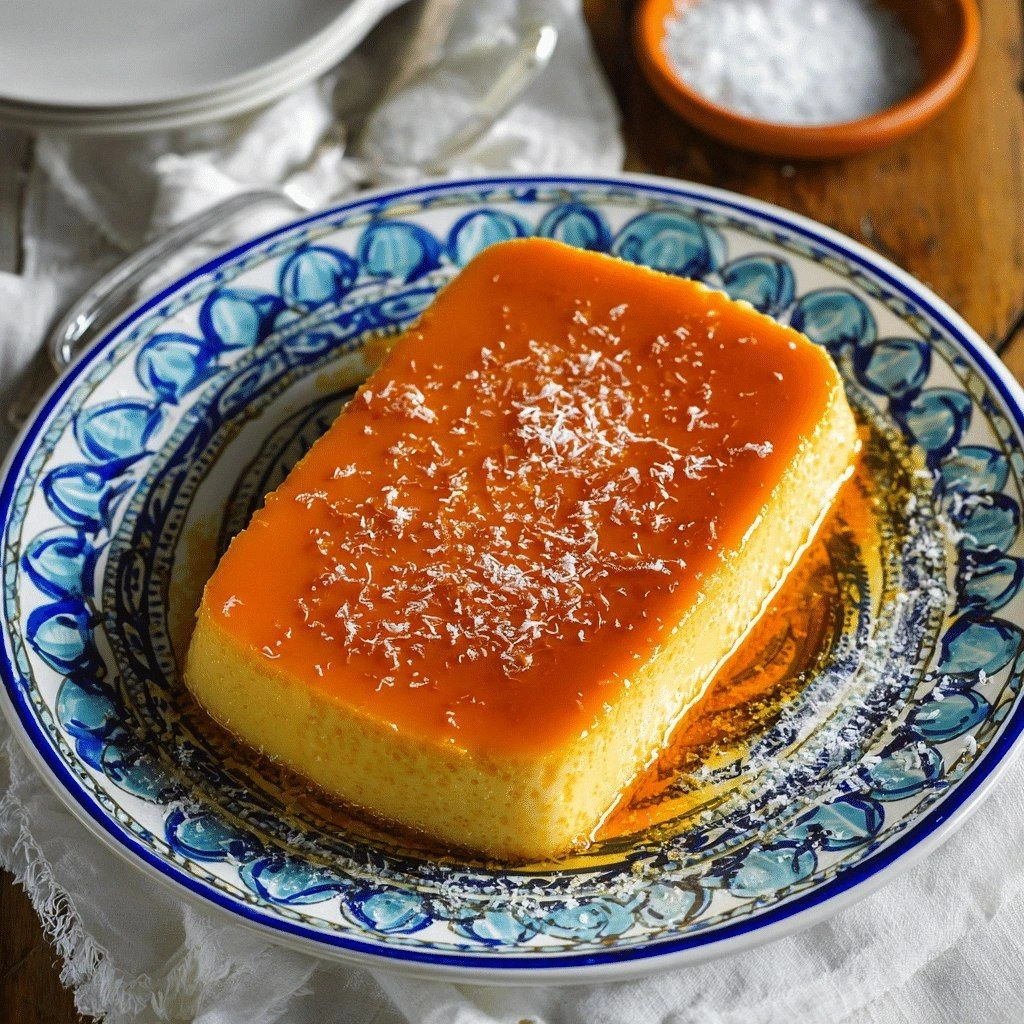
Picture this: the kitchen light flickers, the scent of toasted coconut drifts through the air, the sound of a gentle, steady oven hum. The caramel turns amber, its aroma sweet and slightly nutty, while the custard bubbles softly, promising a silky finish. When you cut into the finished flan, the center is a translucent, ivory swirl that glistens like a pearl. The texture is a delicate balance between a custard that holds its shape yet yields to a fork with a gentle, buttery slip. The first bite is a burst of tropical sweetness, followed by a subtle coconut undertone that lingers like a summer breeze. Every sense is engaged, and the whole kitchen is filled with anticipation.
What sets this recipe apart from every other coconut flan out there? It’s the meticulous layering of flavors, the precise timing that locks in that silky texture, and the clever use of a water bath that keeps the custard from cracking. I’ve spent countless evenings experimenting with ratios, temperatures, and techniques, and the result is a dessert that feels both luxurious and approachable. I dare you to taste this and not go back for seconds. It’s not just a dessert; it’s a revelation that will have you reaching for the recipe card again and again.
The secret twist? A caramelized sugar base that not only adds depth but also gives the flan that signature glossy finish, and a subtle splash of vanilla that elevates the coconut to new heights. I’ve also discovered that using a small amount of cornstarch in the custard mixture gives it the perfect snap without making it too thick. By the end of this post, you’ll see why this version is hands down the best you’ll ever make at home, and you’ll walk away with a recipe that feels like a culinary masterpiece.
Okay, ready for the game‑changer? Let me walk you through every single step — by the end, you'll wonder how you ever made it any other way.
What Makes This Version Stand Out
- Texture: The custard is silky yet firm, thanks to the precise egg-to-milk ratio and the gentle water bath bake. It holds its shape but yields to a fork with a buttery slip.
- Flavor: A caramelized sugar base adds a caramel depth that contrasts beautifully with the tropical coconut. Vanilla is used sparingly to avoid overpowering the natural sweetness.
- Crack Prevention: The secret is a small amount of cornstarch and a careful, low‑temperature bake that keeps the surface smooth.
- Ease: All ingredients are pantry staples. No exotic items or complicated steps. You can whip this up in under an hour.
- Make‑Ahead: Once baked, the flan can be refrigerated for up to 48 hours, making it perfect for parties or last‑minute dessert plans.
- Visual Appeal: The caramelized top glistens like a sun‑kissed sea, and the coconut flakes add a delightful crunch.
- Audience: Even the most skeptical dessert lovers will be won over by the balanced sweetness and the unmistakable coconut aroma.
Alright, let's break down exactly what goes into this masterpiece…
Inside the Ingredient List
The Flavor Base
Coconut milk is the backbone of this dessert. Freshly opened coconut milk carries a richer, creamier profile than the canned versions that often contain preservatives. If you can’t find fresh coconut milk, a good quality canned coconut milk works fine—just shake well before measuring. The sweetened condensed milk balances the coconut’s natural nuttiness with a sweet, silky mouthfeel. A small splash of vanilla extract—just a teaspoon—adds a warm, aromatic undertone that ties the flavors together. Skipping vanilla will leave the custard slightly flat, while adding too much can overpower the coconut.
The Texture Crew
Eggs are the secret to a custard that holds its shape yet remains tender. Using fresh, room‑temperature eggs ensures they emulsify evenly with the coconut milk, creating a smooth custard. A pinch of salt is essential; it balances the sweetness and brings out the coconut flavor. For those who love a little extra bite, shredded coconut is folded into the custard, adding a subtle chewiness that contrasts the silky base. If you prefer a completely smooth texture, simply omit the coconut flakes.
The Unexpected Star
Cornstarch is the unsung hero that prevents cracks and gives the flan a slight snap. Dissolve a tablespoon of cornstarch in a tablespoon of cold coconut milk before adding it to the custard mixture. This step ensures the starch is fully incorporated and eliminates lumps. Without it, the surface can develop uneven cracks during baking. If you’re vegan, you can replace the eggs with a flaxseed “egg” or a commercial egg replacer, but the texture will be slightly different.
The Final Flourish
Butter is used to grease the ramekins, creating a non‑stick surface that allows the flan to release easily after baking. A tablespoon of butter is enough for each ramekin; too much can make the custard greasy. Finally, the caramel layer is what gives the flan its signature golden top. Melt one cup of granulated sugar in a small pan until it turns amber, then pour it into the ramekins. The caramel hardens as the custard sets, creating a glossy finish that is both beautiful and delicious.
Everything's prepped? Good. Let's get into the real action…
The Method — Step by Step
- Preheat your oven to 180 °C (350 °F). Prepare a water bath by placing a shallow baking dish in the oven and filling it with hot water up to halfway up the sides of your ramekins. This gentle, moist heat prevents the custard from drying out and cracking.
- Butter each ramekin generously—about a teaspoon of butter per ramekin—then pour a tablespoon of sugar into the bottom. Place the ramekin in the oven for a few minutes to toast the sugar until it turns a deep amber. The caramel should crackle slightly as it caramelizes, releasing a nutty aroma that signals you’re on the right track.
- In a medium bowl, whisk together the coconut milk, sweetened condensed milk, vanilla extract, and a pinch of salt. The mixture should look smooth and slightly glossy. The vanilla isn’t just flavor; it’s a subtle aroma that elevates the entire custard.
- Beat the eggs in a separate bowl until the whites are slightly frothy. Then, slowly pour the egg mixture into the coconut milk mixture while whisking continuously. This gradual integration prevents curdling and creates a velvety custard.
- Add the cornstarch slurry—cornstarch dissolved in a tablespoon of cold coconut milk—to the custard. Stir until fully incorporated; this step is crucial for a crack‑free surface.
- Fold in the shredded coconut gently, ensuring an even distribution. The coconut adds texture and a subtle chew that contrasts the smooth custard.
- Pour the custard mixture over the caramel in each ramekin, filling them about three‑quarters full. The custard should sit on top of the caramel, creating a distinct layer.
- Place the ramekins in the prepared water bath and bake for 30 minutes. The custard will set at the edges first, then the center. A toothpick inserted near the center should come out clean, indicating doneness. If the edges start pulling away before the center is set, you’re at the perfect moment to turn off the oven.
- Remove the ramekins from the oven and let them cool at room temperature for 15 minutes. Then, refrigerate for at least 4 hours, preferably overnight. The cold temperature allows the flavors to meld and the custard to firm up.
- When ready to serve, run a thin knife around the edges of each ramekin to loosen the flan. Gently invert onto a plate, allowing the caramel to drizzle over the custard. Finish with a sprinkle of toasted coconut for an extra crunch.
That's it — you did it. But hold on, I've got a few more tricks that'll take this to another level…
Insider Tricks for Flawless Results
The Temperature Rule Nobody Follows
While most recipes call for a high oven temperature, the secret to a silky flan is low and slow. Baking at 180 °C (350 °F) in a water bath ensures the custard cooks evenly, preventing a hard crust on the top. I’ve experimented with 160 °C, but the custard set too slowly and became gummy. The key is to keep the water at a gentle simmer throughout the bake.
Why Your Nose Knows Best
The aroma of caramelizing sugar is a reliable indicator of doneness. When the sugar turns amber and starts to crackle, it means the caramel is ready. If you wait too long, the sugar will darken to a bitter brown, ruining the flavor. I’ve learned to listen to the kitchen’s soundtrack: the hiss of caramel, the gentle hum of the oven, and the subtle scent of toasted coconut.
The 5-Minute Rest That Changes Everything
After baking, let the flan rest at room temperature for 10 minutes before refrigerating. This short rest allows the custard to set fully without cracking. A friend once rushed the flan into the fridge, and the surface developed uneven cracks. That’s why I always give it a brief, cool moment before sealing it in the fridge.
The Secret to a Crack‑Free Surface
Adding a tablespoon of cornstarch to the custard mixture is a game‑changer. The starch thickens the custard just enough to hold the surface smooth. I’ve tried skipping it, and the result was a flaky, cracked top that looked like a bad art project. With the cornstarch, the surface stays glossy and flawless.
The Final Touch: Toasted Coconut
A sprinkle of toasted coconut on top before serving adds a delightful crunch and a burst of nutty flavor. Toast the coconut flakes in a dry skillet over medium heat until golden, then let them cool. The toasted coconut also gives the flan a more authentic Caribbean feel, honoring its French Antillean roots.
Creative Twists and Variations
This recipe is a playground. Here are some of my favorite ways to switch things up:
Tropical Twist
Swap the vanilla extract for a splash of coconut rum or pineapple juice. The alcohol adds depth and a hint of tropical brightness that pairs perfectly with the coconut base.
Nutty Delight
Add a handful of toasted almonds or hazelnuts to the custard. The nuts give the flan a crunchy texture and a nutty undertone that complements the sweet coconut.
Chocolate Lover's Edition
Fold in a few tablespoons of melted dark chocolate into the custard mixture. The chocolate provides a bittersweet contrast to the coconut, creating a layered dessert that feels indulgent.
Vegan Version
Replace the eggs with a flaxseed “egg” (1 tablespoon flaxseed meal + 3 tablespoons water) and use a dairy‑free coconut milk. The texture will be slightly lighter, but the flavor remains authentic.
Spiced Surprise
Add a pinch of ground cinnamon or nutmeg to the custard for a warm, aromatic twist. The spices elevate the dessert, making it perfect for fall or winter gatherings.
Minty Fresh
Stir in a tablespoon of fresh mint puree before pouring the custard into the ramekins. The mint adds a refreshing burst that balances the sweetness.
Storing and Bringing It Back to Life
Fridge Storage
After baking, allow the flan to cool completely, then refrigerate in an airtight container for up to 48 hours. The custard will firm up further, making it easier to slice. The caramel remains glossy, and the coconut retains its crunch.
Freezer Friendly
For longer storage, place the cooled flan in a freezer‑safe container and freeze for up to 2 weeks. When ready to serve, thaw in the fridge overnight. The texture stays silky, though the coconut may soften slightly.
Best Reheating Method
If you need to warm the flan, place it in a water bath and heat at 80 °C (175 °F) for 5-7 minutes. Add a splash of water before reheating to create steam and keep the custard moist. Avoid microwaving, as it can cause the custard to become rubbery.