Picture this: I’m standing in my tiny kitchen, the timer on my old microwave buzzing like an angry hornet, and I’ve just realized I’ve run out of the one thing that could rescue my dinner plans—pizza. In a moment of pure panic I grabbed the nearest chicken breast, a handful of tomatoes, and a block of mozzarella, and I thought, “What if I could turn this mess into something that screams Italy from the stovetop?” That reckless spark turned into the most daring culinary experiment of my life, and the result? A dish so bold it makes a classic Caprese salad look like a side note. I dare you to taste this and not go back for seconds.
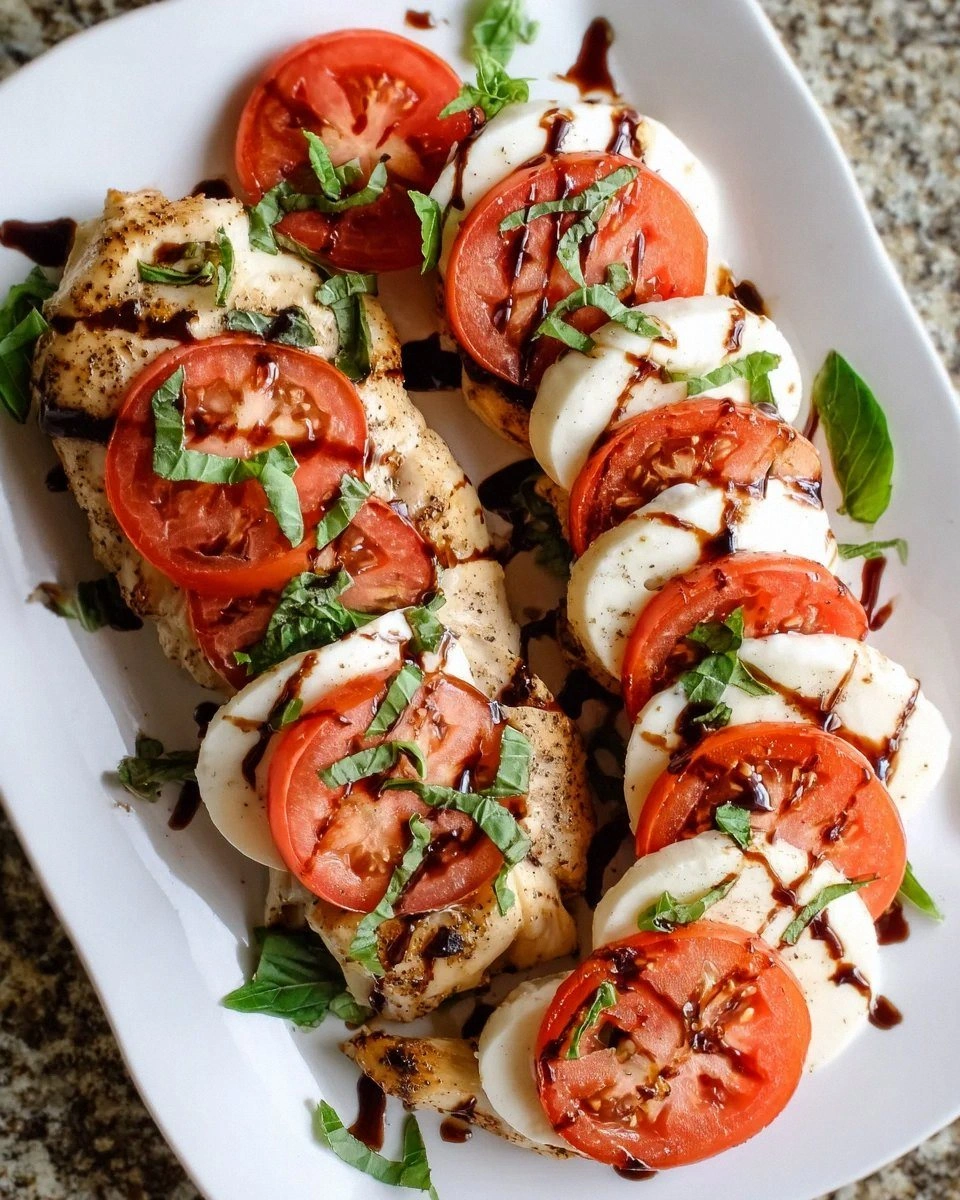
The kitchen was a symphony of sizzling oil, the sharp snap of a knife against ripe tomato skin, and the sweet perfume of fresh basil swirling in the air. My senses were on overdrive: the glossy red of the tomatoes glistening like rubies, the creamy white of mozzarella stretching as it melted, and the deep amber of balsamic glaze dripping like liquid amber. The sound of the chicken searing was a steady, confident sizzle that felt like a promise of flavor. When the final drizzle of honey‑balsamic glaze hit the hot pan, it created a tiny caramelized crackle that was pure auditory satisfaction.
Most Caprese chicken recipes get this completely wrong—they either drown the chicken in soggy cheese or forget the crucial glaze that ties everything together. This version stands out because it balances the juicy chicken with a bright tomato burst, a buttery mozzarella melt, and a sweet‑tangy glaze that clings to every bite like a lover’s whisper. I’ll be honest — I ate half the batch before anyone else got to try it, and that’s a confession worth sharing because it shows just how addictive this dish truly is. The secret? A quick reduction of balsamic vinegar and honey that transforms into a glossy, sticky coating that makes the chicken sing.
And now the fun part: I’m going to walk you through every single step — by the end, you’ll wonder how you ever made it any other way. Okay, ready for the game‑changer? Let’s dive in and make a Caprese Chicken Italian Dish that will have your friends begging for the recipe and your taste buds doing a happy dance.
What Makes This Version Stand Out
- Flavor Explosion: The combination of sweet‑tart balsamic glaze with fresh basil creates a palate‑punch that feels like a fireworks show in your mouth.
- Texture Harmony: You get a crisp, golden sear on the chicken, a silky melt of mozzarella, and a juicy burst from the tomatoes—all in one bite.
- Simplicity Meets Sophistication: Only nine ingredients, yet the result tastes like it came from a five‑star trattoria in Rome.
- Ingredient Quality: Using the freshest basil and the ripest tomatoes makes the flavors sing louder than any seasoning could.
- Crowd‑Pleaser Factor: Even the most skeptical meat‑eaters rave about the cheesy, tangy finish.
- Cooking Method Magic: A quick pan‑sear followed by a brief oven finish locks in juices while allowing the cheese to melt perfectly.
- Make‑Ahead Potential: The glaze can be prepared ahead of time, and the chicken can be assembled and refrigerated for up to 12 hours before baking.
- Visual Wow Factor: The vibrant reds, whites, and greens create a plate that looks as good as it tastes, perfect for Instagram bragging rights.
Alright, let's break down exactly what goes into this masterpiece...
Inside the Ingredient List
The Flavor Base
Boneless, skinless chicken breasts: The star of the show! Tender and juicy, they form the perfect canvas for your toppings. If you buy chicken that’s a bit thick, pound it to an even ½‑inch thickness so it cooks uniformly. Skipping this step often leads to a dry exterior and an undercooked interior, which is a culinary nightmare. For the best flavor, opt for organic or free‑range birds; the meat has a richer, more buttery taste that pairs beautifully with the glaze.
Olive oil: A splash of this rich oil helps to sear the chicken beautifully and adds a depth of flavor. Use extra‑virgin olive oil for its peppery notes, but if you’re watching the smoke point, a light olive oil works just as well. Drizzle it over the pan before adding the chicken; this prevents sticking and creates that coveted golden crust.
The Texture Crew
Ripe tomatoes: Juicy and vibrant, they provide a fresh and tangy contrast. Look for the reddest ones you can find; they’ll give the dish a burst of acidity that cuts through the richness of the cheese. If you’re out of fresh tomatoes, a high‑quality canned San Marzano works in a pinch, though the texture will be softer.
Fresh mozzarella: Soft and creamy, the cheese melts perfectly over the chicken. Use high‑quality mozzarella—preferably the kind that’s packed in water, not the low‑moisture shredded variety. This ensures a silky melt that stretches like a lazy cat waking up from a nap. If you’re lactose‑intolerant, try a dairy‑free mozzarella alternative; it still gives that gooey texture.
The Unexpected Star
Balsamic vinegar: This ingredient transforms into a lovely glaze and ties all the flavors together. Opt for a good quality balsamic that’s aged at least 12 years; the depth of sweetness and acidity is unmatched. A cheap balsamic can taste harsh and overpower the dish, turning the glaze into a bitter mess.
Honey: A touch of sweetness balances the acidity of the vinegar, creating a delightful glaze that hugs the chicken. Use raw, local honey for a subtle floral note that elevates the overall profile. If you’re vegan, maple syrup works as a substitute, though the flavor will shift slightly toward caramel.
The Final Flourish
Fresh basil leaves: These fragrant leaves add that signature Italian flair. Don’t skip them—they’re the cherry on top! Tear the leaves just before serving; this releases their aromatic oils without bruising them. If basil isn’t your jam, flat‑leaf parsley can add a fresh green pop, but you’ll lose that classic sweet‑peppery bite.
Kosher salt and freshly ground black pepper: Simple seasonings that enhance the chicken’s natural flavors. Feel free to adjust to your taste preferences, but a light hand on the salt lets the glaze shine. Freshly cracked pepper adds a subtle heat that rounds out the sweet‑tangy profile.
Everything's prepped? Good. Let's get into the real action...
The Method — Step by Step
Preheat your oven to 400°F (200°C). While the oven warms, pat the chicken breasts dry with paper towels—this is the secret to a perfect sear. Season both sides generously with kosher salt and freshly ground black pepper, then drizzle the olive oil over the pan, letting it heat until it shimmers. That sizzle when it hits the pan? Absolute perfection. Once the oil is hot, lay the chicken in the pan and let it cook untouched for 4‑5 minutes; you’ll hear a faint crackle that tells you the crust is forming.
Flip the chicken breasts and add the sliced tomatoes on top of each piece, arranging them like a bright red crown. Sprinkle a pinch of salt over the tomatoes to draw out excess moisture—this prevents sogginess later. Let everything cook for another 3‑4 minutes, watching the tomatoes soften and release their juices. The aroma at this stage is a heady mix of sweet tomato and savory chicken that will make your mouth water.
While the chicken and tomatoes are basking in the pan, start the balsamic glaze. In a small saucepan, combine ¼ cup of balsamic vinegar and 2 tablespoons of honey. Bring the mixture to a gentle boil, then reduce the heat to a simmer. Stir constantly for about 5‑6 minutes until the liquid thickens to a syrupy consistency that coats the back of a spoon. This step is pure magic; the glaze will become the glossy crown that ties the whole dish together.
Kitchen Hack: To test glaze thickness, dip a spoon into the reduction and run it across a plate—if it forms a thin line that holds for a few seconds, it’s ready.Remove the pan from heat and carefully place slices of fresh mozzarella on top of each chicken breast, letting the cheese melt over the hot tomatoes. The mozzarella should begin to soften within a minute, turning into a creamy blanket that hugs the meat. If you like a little extra browning, switch the oven to broil for the last 2 minutes, but keep a close eye—this part can go from golden to burnt in a heartbeat.
Now, the watch‑out moment: drizzle the balsamic‑honey glaze over each chicken piece, making sure to coat the edges as well as the center. Be careful not to over‑pour; a thin, even sheen is what we’re after. Too much glaze can overwhelm the delicate balance of flavors, turning the dish into a sweet mess.
Watch Out: If the glaze boils too aggressively, it can become bitter. Keep the heat low and watch the color change closely.Transfer the entire skillet (or move the chicken to a baking dish if your pan isn’t oven‑safe) into the preheated oven. Bake for 12‑15 minutes, or until the internal temperature of the chicken reaches 165°F (74°C). The oven’s dry heat will finish cooking the meat while allowing the cheese to melt completely, creating that perfect stringy pull.
While the chicken bakes, prepare a handful of fresh basil leaves. Rough‑chop them just before serving; this releases their aromatic oils without bruising the leaves. The basil adds a bright, herbaceous contrast that lifts the sweet‑tangy glaze.
Remove the chicken from the oven and let it rest for 5 minutes. This short rest lets the juices redistribute, ensuring every bite is juicy rather than dry. Sprinkle the chopped basil over the top, drizzle any remaining glaze, and serve immediately. Picture yourself pulling this out of the oven, the whole kitchen smelling incredible, and you’ll understand why this is hands down the best version you’ll ever make at home.
That’s it — you did it. But hold on, I’ve got a few more tricks that’ll take this to another level. Stay with me here — this is worth it.
Insider Tricks for Flawless Results
The Temperature Rule Nobody Follows
Most home cooks think “high heat = fast cooking,” but with chicken breasts that rule leads to a burnt exterior and a raw center. The secret is to start with a medium‑high sear (around 375°F) to develop flavor, then finish at a moderate oven temperature (400°F). This two‑stage approach locks in moisture while giving the crust a golden hue. I once tried searing on max heat and the chicken was charred on the outside while still pink inside—let’s just say the dinner party ended early.
Why Your Nose Knows Best
Don’t rely solely on timers; your nose is the ultimate cooking gauge. When the chicken sizzles and the edges start pulling away from the pan, you’re at the perfect flip moment. The aroma of caramelizing tomatoes is a reliable indicator that the sugars are browning just right. If you smell a burnt, acrid scent, pull the pan back immediately—over‑cooked sugars become bitter, ruining the balance.
The 5‑Minute Rest That Changes Everything
Resting chicken after cooking is often overlooked, but those five minutes are a game‑changer. During this pause, the muscle fibers relax and re‑absorb the juices that were pushed to the surface during searing. Skipping this step results in a dry bite that feels like chewing on cardboard. I’ve seen seasoned chefs let meat rest on a warm plate covered loosely with foil; it keeps the heat in while still allowing the juices to settle.
Glaze Consistency Check
When reducing the balsamic‑honey mixture, the goal is a syrup that coats the back of a spoon but still drips slowly. If it’s too thin, the glaze will pool at the bottom of the pan and drown the chicken. Too thick, and it will harden into a brittle crust. The trick is to test the glaze at the 5‑minute mark and adjust the heat accordingly.
Seasoning Layers for Depth
Season the chicken twice: first with salt and pepper before searing, then a light sprinkle of salt after the glaze is added. This double‑layering builds depth without making the dish salty. I once tried to season only once and the final flavor felt flat, like a song missing its chorus.
Creative Twists and Variations
This recipe is a playground. Here are some of my favorite ways to switch things up:
Pesto‑Swirl Chicken
Replace the fresh basil garnish with a dollop of vibrant pesto. The herbaceous, nutty flavor of pesto adds a richer green note and pairs beautifully with the sweet glaze. This variation is perfect for pesto lovers who want an extra punch of basil without the fresh leaf texture.
Spicy Arrabbiata Twist
Stir a teaspoon of crushed red pepper flakes into the balsamic reduction for a subtle heat that wakes up the palate. The spicy undertone balances the honey’s sweetness and makes the dish a hit for those who like a little kick. Serve with a side of cooling cucumber salad to tame the fire.
Smoky Bacon Crumble
Top each chicken breast with crisp‑fried bacon bits just before the final bake. The smoky, salty crunch adds a new texture layer that contrasts the soft mozzarella. Bacon lovers will swear this is the ultimate indulgence—just be ready for the extra indulgence.
Vegetarian “Chicken” Substitute
Swap the chicken for thick slices of portobello mushrooms or firm tofu pressed and marinated in olive oil, salt, and pepper. The mushrooms absorb the glaze like a sponge, delivering a meaty mouthfeel without the animal protein. This variation works great for a plant‑based dinner while keeping the Italian vibe intact.
Summer Garden Version
Add thin slices of zucchini and yellow squash alongside the tomatoes for a colorful, garden‑fresh twist. The extra veggies increase the dish’s volume and make it a hearty, low‑calorie option. The zucchini’s mild flavor doesn’t compete with the glaze, letting the balsamic‑honey shine.
Storing and Bringing It Back to Life
Fridge Storage
Allow the chicken to cool to room temperature, then place it in an airtight container. It will keep for up to 3 days in the refrigerator. When you’re ready to reheat, add a splash of water (about 1‑2 tablespoons) to the container, cover loosely with foil, and microwave on medium for 2‑3 minutes, stirring the glaze halfway through.
Freezer Friendly
Wrap each cooked chicken breast individually in parchment paper, then place them in a freezer‑safe zip‑top bag. They’ll stay fresh for up to 2 months. To defrost, move them to the fridge overnight, then reheat using the same water‑steam method to revive the glaze’s shine.
Best Reheating Method
For the crispiest finish, reheat the chicken in a preheated 350°F (175°C) oven for 10‑12 minutes, uncovered. Add a drizzle of fresh balsamic glaze after reheating to refresh the sweet‑tangy coating. This method restores the original texture, making the leftovers taste almost as good as the fresh‑out‑of‑the‑oven version.