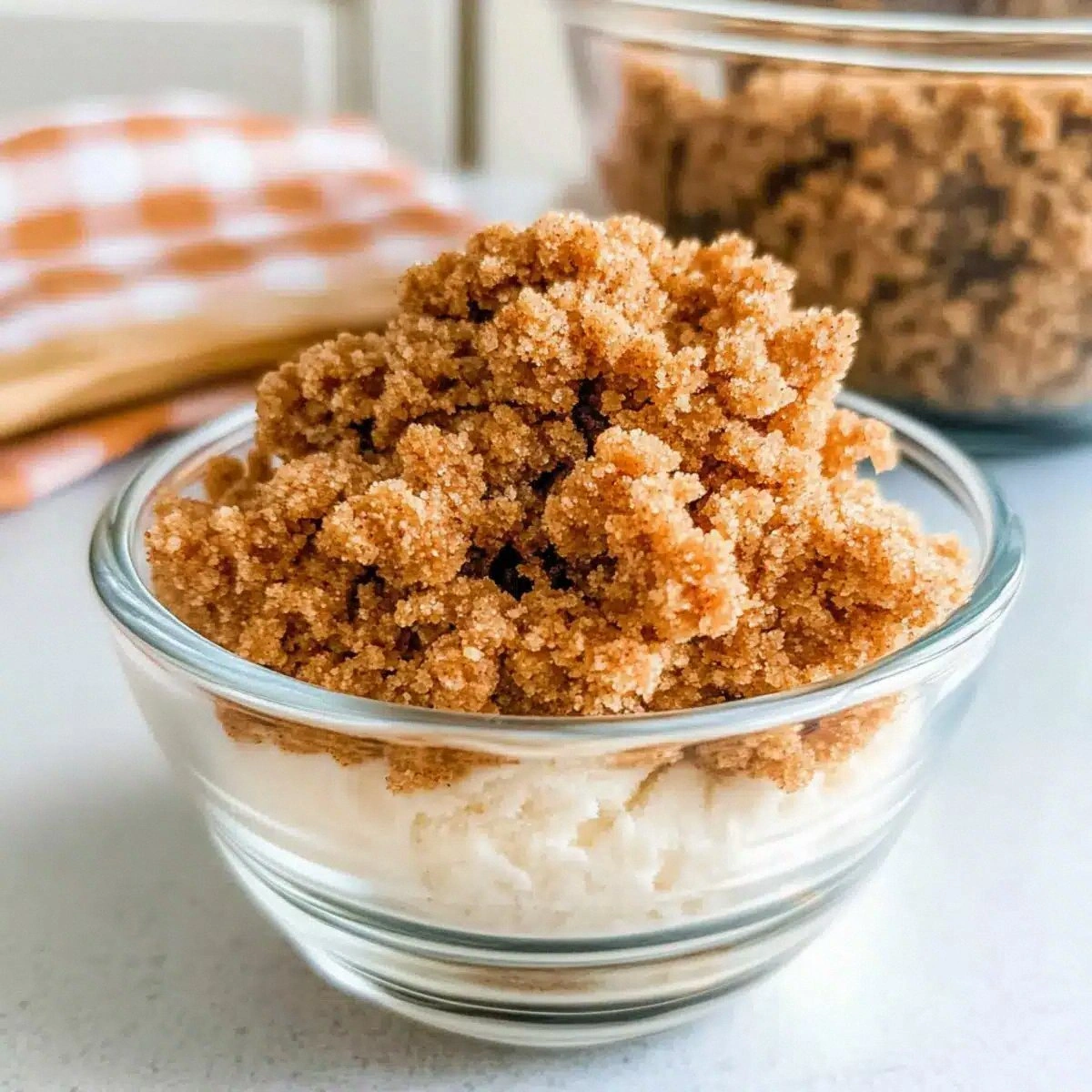
I’m going to start this post with a confession that will probably make you cringe a little: I once tried to make a breakfast casserole with fresh bread, and the whole thing turned into a soggy, sad pancake that clung to the pan like a bad habit. I was half‑asleep, the smoke alarm was screaming, and my roommate walked in with a coffee and asked, “Did you just make a casserole or a swamp?” That disaster sparked a relentless quest for the ultimate breakfast casserole that never, ever, sags, never, ever loses its crisp edge. I dared myself to create a version that would make even the most skeptical brunch‑hater beg for seconds, and after countless trials, I finally nailed it. This is hands down the best version you’ll ever make at home, and I’m about to spill every secret.
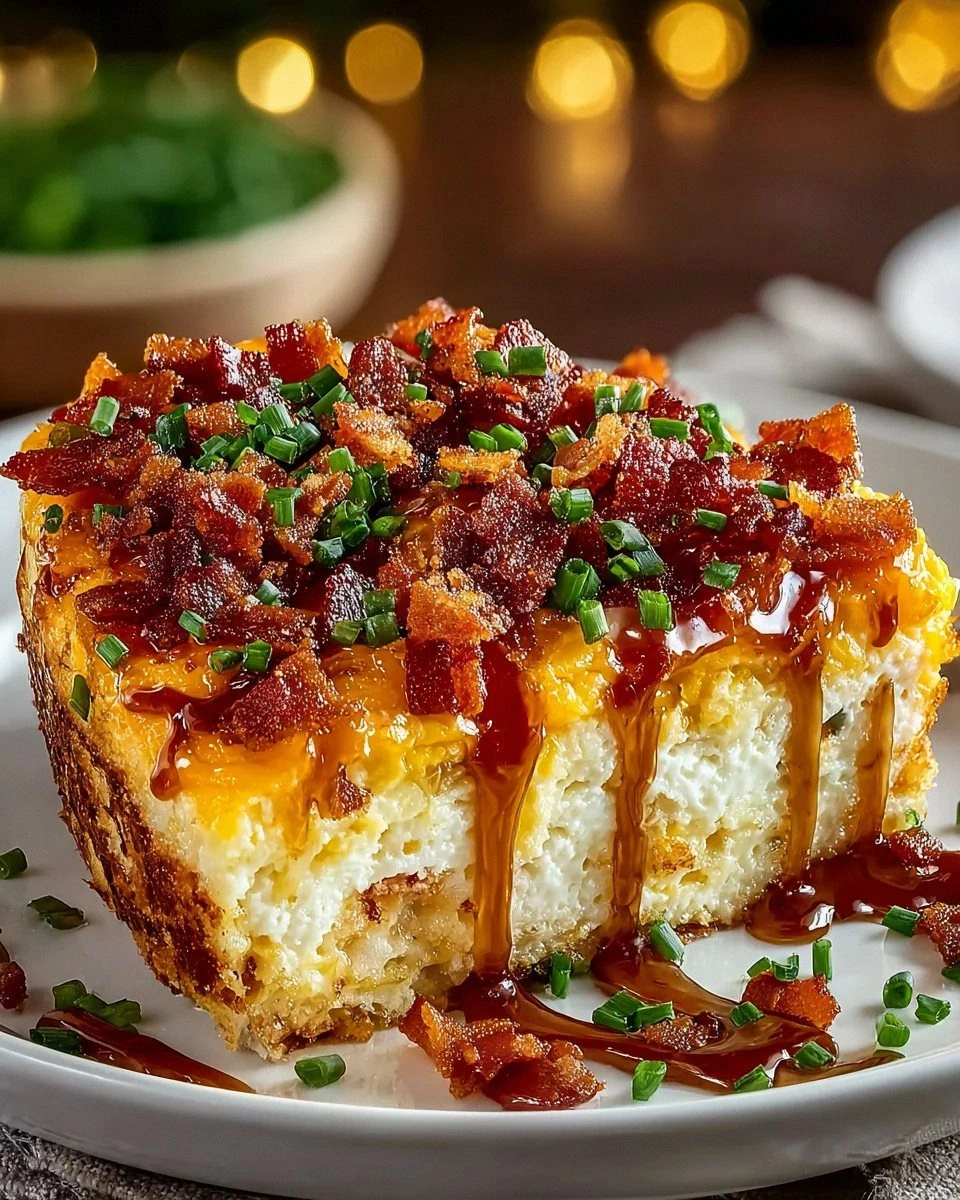
Picture this: the oven door swings open, a golden‑brown crust cracks open like a sunrise, and a warm, buttery aroma floods the kitchen, wrapping around you like a cozy blanket. You hear the faint crackle of the cheese bubbling, the faint sigh of the bread soaking up the custard, and the subtle pop of peppercorns releasing their spice. Your eyes are drawn to the glossy, caramelized top that promises a crunch that shatters like thin ice when you dig in. Your fork slides through the layers, and the first bite hits you with a symphony of flavors—smoky sausage, tangy cheddar, and a custard so silky it feels like velvet against your palate. The texture? Imagine a perfect balance between airy fluff and hearty bite, each mouthful delivering a satisfying chew without ever feeling heavy.
What sets this version apart? Most recipes get the bread‑to‑egg ratio wrong, resulting in a mushy mess or a dry brick. I’ve cracked the code by using day‑old bread cubes that soak just enough to become tender but retain a subtle bite, while the heavy cream and whole milk create a custard that’s rich without being cloying. The secret weapon? A pinch of dry mustard powder that adds a zing that wakes up the other flavors, making the whole dish sing. And let’s not forget the strategic use of both sharp cheddar and a dash of pepper—this duo gives you that sharp‑tangy bite that cuts through the richness, keeping the casserole from feeling one‑dimensional.
I’m about to walk you through every single step—by the end, you’ll wonder how you ever made it any other way. Okay, ready for the game‑changer? Let’s dive in.
What Makes This Version Stand Out
- Flavor Explosion: The combination of pork sausage, sharp cheddar, and a dash of mustard creates layers of savory, tangy, and slightly spicy notes that dance on your tongue.
- Texture Harmony: Day‑old bread cubes soak just enough to stay tender, while the crust forms a crunchy crown that cracks delightfully with each bite.
- Simplicity Meets Sophistication: Only nine core ingredients, yet each one plays a starring role, making the recipe approachable for beginners but impressive for brunch guests.
- Unique Custard Base: The blend of whole milk and heavy cream yields a custard that’s creamy without being overly rich, striking the perfect balance.
- Crowd‑Pleaser Factor: I dare you to taste this and not go back for seconds; even the pickiest eaters beg for more.
- Ingredient Quality: Using high‑quality pork sausage and sharp cheddar elevates the dish from ordinary to unforgettable.
- One‑Pan Efficiency: Everything cooks in a single baking dish, minimizing cleanup and maximizing flavor mingling.
- Make‑Ahead Magic: Assemble the night before, refrigerate, and bake fresh in the morning for a stress‑free start to the day.
Inside the Ingredient List
The Flavor Base
First up, the pork sausage. Opt for a mild variety if you prefer a subtle background, or go hot for a kick that wakes up the whole casserole. The sausage brings a deep, meaty umami that anchors the dish, and its fat renders into the custard, adding richness you can taste with every bite. If you skip it, you’ll lose that essential savory backbone; consider swapping in crumbled bacon or a plant‑based sausage for a vegetarian twist, but remember the flavor profile will shift.
The Texture Crew
Day‑old bread cubes are the unsung heroes here. Stale bread absorbs the egg mixture without turning mushy, creating pockets of tender, custardy goodness surrounded by a crisp exterior. Sourdough or ciabatta works best because their open crumb lets the custard seep in evenly. If you can’t find day‑old bread, toast fresh slices for a few minutes and let them cool—this mimics the dryness you need.
The Unexpected Star
Dry mustard powder might sound like a side note, but it’s the secret zing that lifts the entire casserole. Just a teaspoon cuts through the richness of the cream and cheese, adding a subtle heat that makes the palate perk up. If you’re allergic to mustard, try a pinch of smoked paprika for a smoky depth, though you’ll miss that bright, peppery snap.
The Final Flourish
Sharp cheddar cheese is the finishing touch that brings everything together. Its tangy bite balances the creaminess of the custard, and when it melts, it creates a golden, gooey blanket that stretches with each forkful. If you crave extra heat, swap half the cheddar for pepper jack; if you want extra melt, mozzarella works, but you’ll lose some of that signature tang.
Everything’s prepped? Good. Let’s get into the real action…

The Method — Step by Step
Preheat your oven to 375°F (190°C). While the oven warms up, line a 9‑x‑13‑inch baking dish with parchment paper; this prevents sticking and makes cleanup a breeze. The moment the oven reaches temperature, you’ll hear that reassuring hum that says, “We’re ready for greatness.”
Dice the pork sausage into bite‑size pieces and sauté in a large skillet over medium heat until it’s browned and its fat has rendered. You’ll know it’s ready when the edges turn a deep caramel color and the scent fills the kitchen like a promise. Drain any excess grease, but keep a tablespoon for flavor.
While the sausage cooks, whisk together the large eggs, whole milk, heavy cream, salt, black pepper, and dry mustard powder in a large bowl. The mixture should turn a pale, airy yellow, and you’ll see tiny bubbles forming as you whisk—those bubbles are the future fluffiness of your casserole.
Now, gently fold the day‑old bread cubes into the custard, ensuring every cube is drenched but not swimming. This is the moment where the bread soaks up the flavors; you’ll feel the custard coat the cubes like a silky veil.
Stir the browned sausage into the bread‑custard mixture, followed by half of the shredded sharp cheddar. The cheese will melt into the custard as it bakes, creating pockets of gooey delight.
Transfer the entire mixture into the prepared baking dish, spreading it out evenly. Sprinkle the remaining cheddar on top, creating a blanket that will turn golden and crisp. The top should look like a snow‑capped mountain ready to melt into deliciousness.
Place the dish in the oven and bake for 30‑35 minutes, or until the top is a deep golden brown and the edges start pulling away from the sides of the pan. You’ll hear a faint crackle as the cheese caramelizes, and the aroma will become so intoxicating you’ll want to eat it right then and there.
Remove the casserole from the oven and let it rest for 10 minutes before cutting. This short rest allows the custard to set, making each slice hold its shape while still offering that luscious, melt‑in‑your‑mouth feel. Serve hot, and watch as the first bite elicits that satisfied sigh you’ve been craving all morning.
That’s it — you did it. But hold on, I’ve got a few more tricks that’ll take this to another level. Stay with me here — this is worth it.
Insider Tricks for Flawless Results
The Temperature Rule Nobody Follows
Never bake a custard‑based casserole at a temperature higher than 375°F. Higher heat will cause the eggs to scramble instead of setting gently, resulting in a grainy texture. I once cranked the oven to 425°F to “speed things up” and ended up with a breakfast brick. Keep it moderate, and you’ll get that smooth, custardy interior that’s the hallmark of a perfect casserole.
Why Your Nose Knows Best
When the cheese starts to turn a deep amber and you catch that nutty, caramelized scent, you’re at the perfect doneness point. Trust your nose more than the clock; ovens vary, and that golden aroma is a reliable indicator that the crust has formed without burning.
The 5‑Minute Rest That Changes Everything
After you pull the casserole out, let it sit undisturbed for exactly five minutes. This short pause lets the steam redistribute, firming up the custard without drying it out. Skipping this step leads to a sloppy slice that falls apart, and no one wants a breakfast disaster on their plate.
Seasoning Layers, Not Dumps
Season each component individually—salt the sausage while it cooks, season the custard mixture, and finish with a pinch of pepper on the top before baking. This layered seasoning ensures every bite is balanced, rather than having a single salty or peppery spot.
The Secret of the “Steam Splash”
If you’re reheating leftovers, add a tiny splash of milk or water to the dish before covering with foil. The added moisture creates steam that revives the custard’s silkiness, preventing it from turning rubbery. I’ve used this trick on frozen casseroles, and the result is as fresh as the day it was baked.
Creative Twists and Variations
This recipe is a playground. Here are some of my favorite ways to switch things up:
Veggie Power
Swap the pork sausage for a medley of roasted bell peppers, zucchini, and mushrooms. The veggies add a fresh, earthy note and make the dish suitable for vegetarians while still delivering that satisfying texture.
Spicy Southwest
Add a handful of chopped jalapeños to the sausage and replace the sharp cheddar with pepper jack. Finish with a drizzle of chipotle aioli after baking for a smoky kick that’ll wow brunch crowds.
Herb‑Infused Delight
Incorporate fresh herbs like rosemary, thyme, and chives into the custard. The herbs infuse the custard with aromatic notes, turning the casserole into a fragrant centerpiece.
Sweet‑Savory Fusion
Fold in diced apples and a sprinkle of cinnamon into the bread mixture before baking. The sweet apples contrast with the savory sausage, creating a breakfast dish that feels like a holiday treat any day of the year.
Cheese Lover’s Dream
Mix in a blend of Gruyère, mozzarella, and feta for a complex cheese profile. Each cheese melts differently, offering pockets of stretch, creaminess, and salty tang.
Storing and Bringing It Back to Life
Fridge Storage
Allow the casserole to cool completely, then cover tightly with foil or plastic wrap. Store in the refrigerator for up to four days. When you’re ready to eat, slice the portion you need and reheat in a 350°F oven for 15‑20 minutes, or microwave for quick bites.
Freezer Friendly
Portion the casserole into individual servings, wrap each tightly in freezer‑safe parchment, then place in a zip‑top bag. It freezes beautifully for up to three months. To serve, thaw overnight in the fridge, then bake at 375°F for 25‑30 minutes until heated through.
Best Reheating Method
For the crispiest top, reheat covered with foil for the first half of the heating time, then remove the foil to let the cheese crisp up. Add a splash of water or milk before covering; the steam will revive the custard’s silkiness without drying the edges.