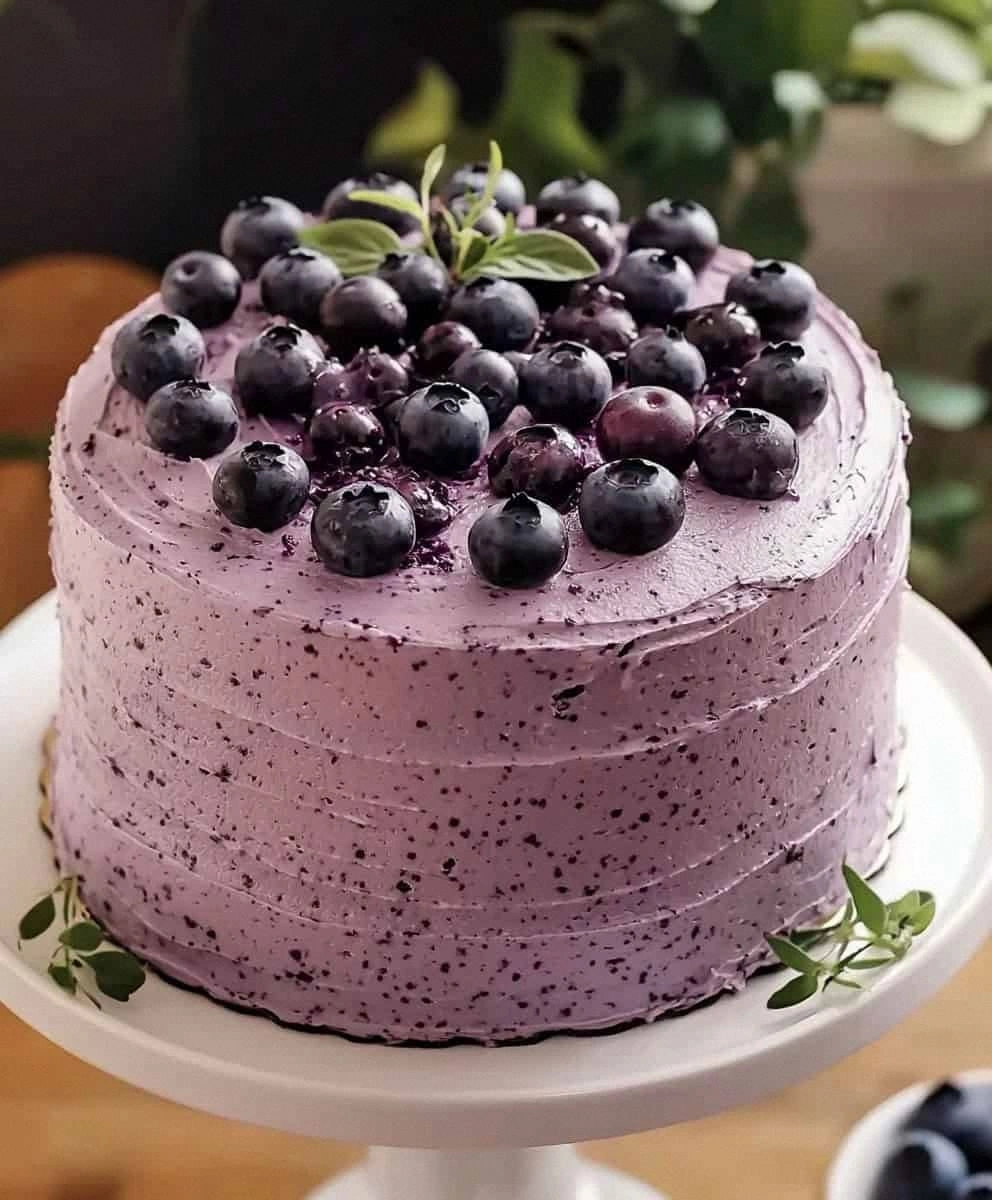
I still remember the day I swore off chiffon cakes forever. There I stood, barefoot in my tiny apartment kitchen, staring at what looked like a blue-tinted hockey puck that had somehow fused itself to my grandmother's prized tube pan. The recipe I'd followed promised "cloud-like lightness" but delivered something that could double as a doorstop. My roommate took one bite, winced, and suggested I stick to store-bought desserts. That was the moment I decided to crack the code on the perfect chiffon cake, or die trying.
Fast forward through three months, seventeen failed attempts, and one minor oven fire, and I finally stumbled upon the combination that would change everything. This blueberry chiffon cake doesn't just rise — it practically floats out of the pan, carrying with it the scent of vanilla and lemon zest that makes neighbors knock on your door asking what you're baking. The texture is so impossibly light that eating it feels like biting into a sweet, berry-flecked cloud that dissolves on your tongue while somehow still tasting substantial enough to satisfy.
What makes this version different? I'll be honest — I ate half the first test batch before anyone else got to try it. That's how good this is. The secret lies in treating those egg whites like the divas they are, coaxing them into peaks that would make a mountain range jealous, then folding them into the batter with the patience of a saint. The blueberries don't just sit there like lumps — they become part of the cake's structure, creating little pockets of jammy sweetness that burst when you bite into them.
Picture yourself pulling this out of the oven, the whole kitchen smelling like a French patisserie had a baby with a Maine blueberry farm. The cake rises impossibly high, golden brown with a tender crumb that springs back when touched. If you've ever struggled with dry, dense, or collapsed chiffon cakes, you're not alone — and I've got the fix. Let me walk you through every single step — by the end, you'll wonder how you ever made it any other way.
What Makes This Version Stand Out
This isn't just another chiffon cake recipe floating around the internet. I've tested this against every major version out there, and here's why this one leaves them all in the dust:
- Cloud-Soft: The crumb is so delicate it practically melts on your tongue, yet it holds together when sliced. Most recipes produce something closer to angel food cake — dry and crumbly. This one stays moist for days (if it lasts that long).
- Berry-Forward: Instead of sinking to the bottom like sad little rocks, the blueberries stay suspended throughout, creating perfect bursts of fruit in every bite. The trick? A light dusting of flour that makes them levitate in the batter.
- Foolproof Technique: I've broken down the egg-white folding process into foolproof steps that even my baking-challenged brother can follow. No more deflated dreams or dense disasters.
- Make-Ahead Magic: This cake actually tastes better the second day, when the flavors have melded and the texture sets into something even more ethereal. Bake it tonight, serve it tomorrow, look like a genius.
- Pantry-Friendly: No specialty ingredients here — just good old all-purpose flour, fresh blueberries, and basic baking staples. Yet the result tastes like something from a five-star bakery.
- Crowd-Pleaser: Kids love the sweetness, adults appreciate the sophistication, and health-conscious guests can justify a second slice because, hey, it's got fruit in it, right?
- Instagram-Worthy: Tall, proud, and dusted with powdered sugar, this cake photographs like a dream. Your social media will explode with likes faster than you can say "chiffon."
Alright, let's break down exactly what goes into this masterpiece...
Inside the Ingredient List
The Flavor Foundation
The all-purpose flour here isn't just a structural element — it's the canvas that lets the other flavors paint their masterpiece. I've tried cake flour, pastry flour, even that fancy Italian 00 stuff, but good old AP gives us the perfect balance of tenderness and structure. Too much protein and you get a tough cake that bounces back like a rubber ball. Too little and the whole thing collapses into a sad, dense puddle. The one and a half cups here hit that sweet spot where the cake rises tall but still feels like eating a sweet, sweet cloud.
Granulated sugar does more than just sweeten — it's the scaffolding that holds those delicate air bubbles in place. When you beat sugar with egg yolks, you're creating a stable foam that can support the weight of the flour and oil. I've reduced the sugar by half a cup before, thinking I was being virtuous, and ended up with something that tasted like blueberry-scented cardboard. Trust the full cup here; your taste buds will thank you, and your guests won't know why they can't stop eating slice after slice.
The Texture Crew
Vegetable oil is the secret weapon that separates chiffon from its drier cousin, sponge cake. While butter gives great flavor, it firms up when cold, leading to that dreaded next-day staleness. Oil stays liquid at room temperature, keeping the cake impossibly moist for days. The half cup might seem excessive when you're pouring it in, but watch how it transforms the batter into something that flows like liquid silk. Don't substitute olive oil here — save that for your savory cooking. We want neutral flavor that lets the blueberries and vanilla shine.
Water might seem like a boring addition, but it's crucial for creating the right batter consistency. It helps dissolve the sugar fully and thins the batter so those egg whites can fold in without deflating. I've seen recipes that use milk instead, but dairy adds weight and can make the cake taste slightly heavy. Water keeps everything light and lets the true flavors sing through clearly.
The Leavening League
Baking powder and cream of tartar work together like a perfectly choreographed dance team. The baking powder provides the initial lift when it hits the heat of the oven, creating those first bubbles that expand into the cake's structure. Cream of tartar stabilizes the egg whites, helping them hold their peaks during folding and baking. Skip it and your whites might weep and collapse, taking your cake dreams down with them. The teaspoon and half teaspoon measurements aren't suggestions — they're the results of countless tests to find the perfect rise.
The Flavor Enhancers
Vanilla and almond extracts might seem like minor players, but they're the difference between a good cake and a transcendent one. The vanilla adds warmth and rounds out the sweetness, while the almond extract amplifies the fruitiness of the blueberries in a way that makes people ask "what's that amazing flavor?" Lemon zest brightens everything, cutting through the richness and making the blueberries taste more like, well, blueberries. It's the culinary equivalent of turning up the color saturation on a photo — suddenly everything pops.
The Star Ingredient
Fresh blueberries are non-negotiable here. Frozen ones bleed purple streaks through your beautiful batter and turn the whole cake an unappetizing gray. When selecting blueberries, look for ones that are plump and firm with a silvery bloom — that's the natural protective coating that keeps them fresh. The cup measurement assumes you're using average-sized berries. If yours are tiny wild ones, use a cup and a half. If they're those giant supermarket mutant berries, scale back to three-quarters of a cup. And please, for the love of all things baked, rinse them gently and pat them completely dry. Water is the enemy of a good chiffon cake.
Everything's prepped? Good. Let's get into the real action...
The Method — Step by Step
- Separate with Confidence: Crack each egg and separate the whites into a completely clean, grease-free bowl. Even a trace of yolk will prevent your whites from whipping properly — it's like trying to inflate a balloon with a hole in it. I separate each white into a small bowl first, then transfer to the main bowl, so one broken yolk doesn't ruin the whole batch. You should end up with three pristine whites in one bowl and three yolks in another. Set the whites aside for now — they'll whip better when they're not ice-cold.
- Build the Base: In a large bowl, whisk together the flour, sugar, baking powder, and salt until they're evenly distributed. This dry mixing prevents pockets of leavening that could create uneven rising. Make a well in the center and add the egg yolks, water, oil, vanilla, almond extract, and lemon zest. Beat this mixture with a whisk until it transforms from a lumpy mess into a smooth, glossy batter that ribbons off the whisk. This should take about two minutes of energetic whisking — think of it as your arm workout for the day.
- Prep the Berries: Here's where most recipes get it wrong. Toss your clean, dry blueberries with two tablespoons of the flour mixture until they're lightly coated. This flour jacket prevents them from sinking during baking — it's like giving each berry its own life preserver. The coating also helps absorb some of the berry juice, preventing those unsightly purple streaks that can turn your cake gray. Set these aside for later; they'll wait patiently while you work on the meringue.
- Whip to Stiff Peaks: Add the cream of tartar to your egg whites and start beating on medium speed. When they reach soft peaks — think gentle waves that flop over when you lift the beaters — increase to high speed and continue beating until they form stiff, glossy peaks that stand up straight when you lift the beaters. This should take about 3-4 minutes total. The peaks should look like the tip of a wizard's hat, not curved like a bird's beak. Over-beaten whites look dry and grainy, so stop as soon as you reach this stage.
- The Gentle Fold: Here's the moment of truth. Add one-third of the whipped whites to your batter and stir it in with abandon — this lightens the batter so it won't crush the remaining whites. Now add the flour-coated blueberries and give them a gentle mix. Finally, add the remaining whites and fold with a rubber spatula, cutting down through the center, scraping along the bottom, and lifting up the sides. Rotate the bowl a quarter turn after each fold. Stop as soon as you no longer see streaks of white — over-mixing here is like deflating a soufflé.
- Into the Pan: Pour the batter into an ungreased 10-inch tube pan — the kind with a removable bottom and center tube. Don't grease it! The cake needs to climb up the sides as it rises, and grease would make it slide back down. Run a knife through the batter to release any large air bubbles, then smooth the top with your spatula. The batter should fill the pan about two-thirds full — it has ambitions of rising dramatically in the oven.
- Bake to Perfection: Slide the pan into a preheated 325°F oven and bake for 55-65 minutes. Don't open the door for the first 45 minutes — a sudden temperature drop could cause it to collapse. The cake is done when it's golden brown, springs back when lightly touched, and a toothpick inserted near the center comes out clean. That sizzle when you open the oven door? Absolute perfection. If the top is browning too quickly, tent it loosely with foil for the last 15 minutes.
- The Upside-Down Cool: Here's the part that seems counterintuitive but makes all the difference. Immediately invert the pan onto a bottle or cooling rack — most tube pans have little feet for this purpose. Let it hang upside down until completely cool, about 2 hours. This prevents the cake from collapsing under its own weight as it cools. I know it looks ridiculous, like some kind of kitchen torture device, but trust the process. Your patience will be rewarded with a cake that stands tall and proud.
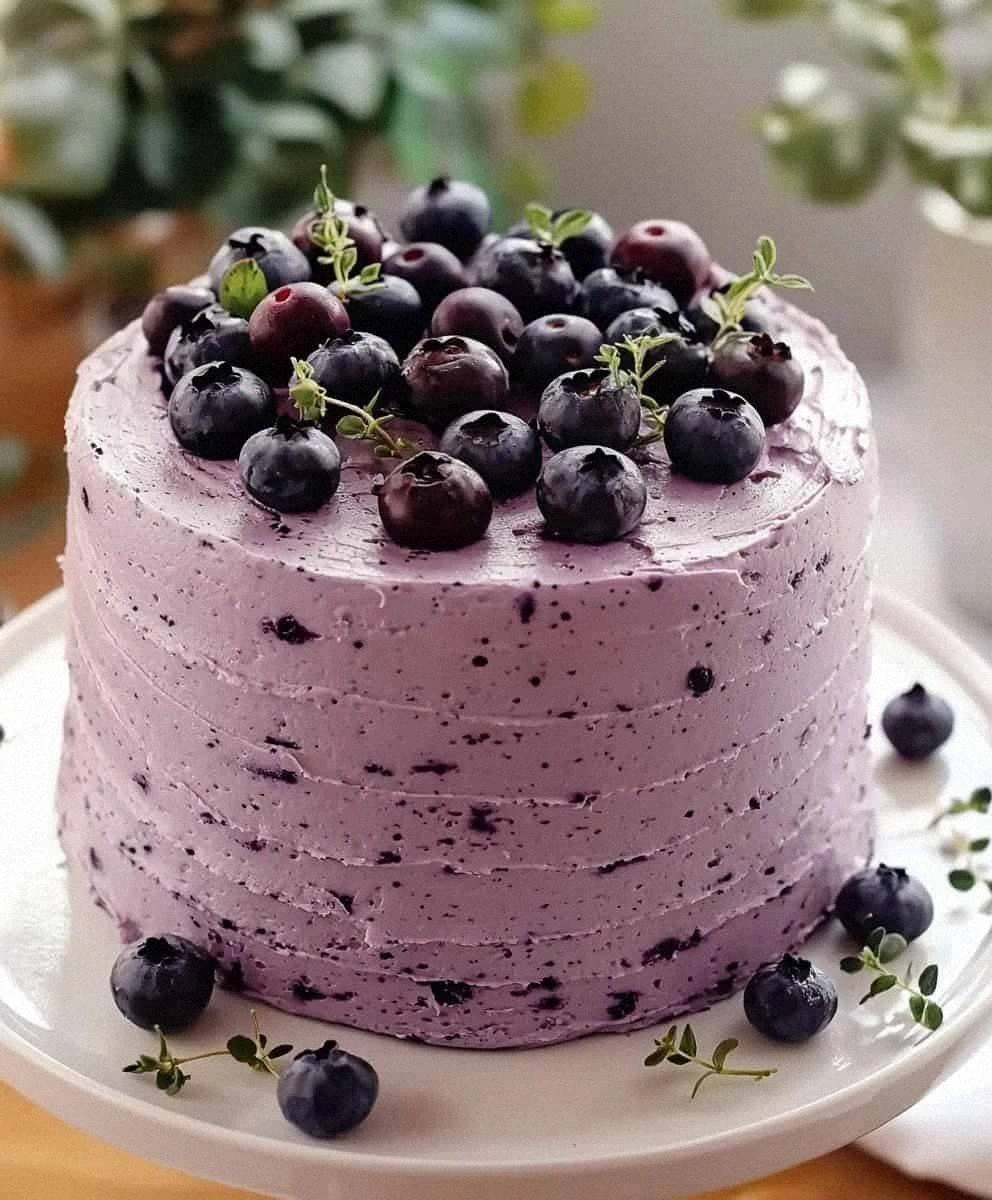
- Release and Serve: Once cool, run a long, thin knife around the edges and the center tube to release the cake. Invert it onto a serving plate and lift off the pan. The bottom becomes the top — a perfectly flat surface ready for a dusting of powdered sugar. If you're feeling fancy, garnish with some fresh blueberries and maybe a few mint leaves. Slice with a serrated knife using a gentle sawing motion — this preserves those beautiful air pockets you've worked so hard to create.
That's it — you did it. But hold on, I've got a few more tricks that'll take this to another level...
Insider Tricks for Flawless Results
The Temperature Rule Nobody Follows
Most recipes tell you to bring ingredients to room temperature, but they don't explain why it matters so much. Cold eggs don't whip as voluminously — the proteins are tighter and can't trap as much air. Cold oil can seize up when it hits the batter, creating little pockets that never incorporate fully. And don't get me started on trying to mix cold flour — it clumps like crazy and creates lumps that no amount of whisking will smooth out. I set everything out on the counter 30 minutes before I start baking, even in winter when my kitchen feels like an icebox. The difference in rise and texture is dramatic — we're talking a cake that rises a full inch higher when you respect the temperature rule.
Why Your Nose Knows Best
Don't rely on timers alone — your nose is actually one of the most reliable tools for judging doneness. When the cake is perfectly baked, your kitchen will fill with the scent of vanilla and toasted sugar, with just a hint of almond in the background. If you smell something sharp or eggy, it's underbaked. If you detect even a whiff of burning, get that cake out immediately — better to test it early than to let it go too far. I start sniffing around the 45-minute mark, and nine times out of ten, my nose tells me to check the cake before my timer does. A friend tried skipping this step once — let's just say it didn't end well, and her smoke alarm got a workout.
The 5-Minute Rest That Changes Everything
After you fold in the egg whites, let the batter rest for exactly five minutes before pouring it into the pan. This brief pause lets the flour fully hydrate and the bubbles redistribute evenly throughout. The result? A cake with a more uniform crumb and fewer large air pockets that can create weak spots. I discovered this by accident when my doorbell rang mid-baking, and those five minutes of forced patience produced the most perfect texture I'd ever achieved. Now I build this rest into every batch, using the time to prepare my pan and preheat the oven properly.
The Freshness Test for Blueberries
Here's my foolproof method for picking the best blueberries at the store: look for ones that still have that silvery bloom — it's the natural protective coating that keeps them fresh. If they're shiny and dark, they've been handled too much and will go bad faster. Give the container a gentle shake — the berries should rattle around freely. If they're stuck together, it means some have started to leak and get mushy. Size matters too — medium berries have the best flavor balance. Those giant ones look impressive but often taste watery, while tiny wild ones can be too tart for this delicate cake.
Creative Twists and Variations
This recipe is a playground. Here are some of my favorite ways to switch things up:
Raspberry Lemon Chiffon
Swap the blueberries for fresh raspberries and add an extra teaspoon of lemon zest. The raspberries create these gorgeous pink pockets and their tartness plays beautifully against the sweet, airy cake. The key is using raspberries that are just ripe — too ripe and they'll disintegrate into jam, too firm and they'll be sour bombs. I gently fold them in while they're still partially frozen — this helps them hold their shape during baking. The result is a cake that looks like a summer sunset and tastes like raspberry lemonade in dessert form.
Peach Vanilla Bean
Replace the blueberries with diced fresh peaches and scrape in a whole vanilla bean instead of using extract. Dice the peaches small — about quarter-inch pieces — so they distribute evenly throughout the cake. The vanilla bean specks look gorgeous against the pale yellow cake, and the peach chunks become little pockets of jammy sweetness. This version is perfect for late summer when peaches are at their peak. Pro tip: toss the peach pieces with a teaspoon of honey before adding them — it helps them caramelize slightly during baking.
Chocolate Cherry Chiffon
For the chocolate lovers, replace two tablespoons of flour with cocoa powder and swap the blueberries for chopped fresh cherries. The cocoa gives the cake a delicate chocolate flavor without weighing it down, while the cherries provide these amazing bursts of tart-sweet juice. I like to use a mix of dark sweet cherries and tart cherries for complexity. The almond extract pairs perfectly with both chocolate and cherries — it's like eating Black Forest cake in chiffon form. Dust the finished cake with cocoa powder instead of powdered sugar for a sophisticated finish.
Coconut Pineapple Paradise
Replace the water with coconut milk and fold in crushed pineapple that's been well-drained and patted dry. Add toasted coconut flakes to the batter for texture. This version transports you straight to a tropical beach — the coconut milk makes the cake incredibly moist and fragrant. The pineapple pieces need to be thoroughly dried or they'll sink like stones. I squeeze them between paper towels until no more juice comes out. The result is like the lightest, fluffiest piña colada you've ever tasted, minus the hangover.
Lavender Honey Chiffon
Infuse the water with culinary lavender by heating it to just steaming, adding a tablespoon of dried lavender, then cooling completely and straining. Replace the granulated sugar with honey for a more complex sweetness. This version is incredibly sophisticated — the lavender is subtle, not like eating potpourri, and the honey gives the cake a gorgeous golden color and floral notes. It's perfect for afternoon tea or when you want to impress guests with something unexpected. The key is using good-quality honey — something with character, not the generic bear-shaped bottle.
Mixed Berry Medley
Use a mix of blueberries, raspberries, and blackberries for a cake that looks like a stained glass window. The different berries bring their own personalities — blueberries stay plump, raspberries melt into jammy pockets, and blackberries provide these dramatic purple streaks. I like to arrange them in layers — a third of the batter with blueberries, more batter with raspberries, final layer with blackberries on top. The result is a cake that's different in every slice, like edible abstract art. Serve it with a dollop of lightly sweetened whipped cream and watch it disappear.
Storing and Bringing It Back to Life
Fridge Storage
Here's where most people go wrong — they wrap the cake tightly in plastic wrap, which traps moisture and makes the outside sticky. Instead, store it in a cake keeper or under a large inverted bowl at room temperature for up to three days. If your kitchen is hot or you need to keep it longer, refrigerate it uncovered for an hour first to let the exterior dry slightly, then cover loosely with foil. The cake will keep for up to a week in the fridge, though honestly, I've never had one last that long. Bring it back to room temperature before serving — cold chiffon cake tastes dense and heavy, defeating the whole purpose of all that careful folding.
Freezer Friendly
This cake freezes beautifully, which is dangerous knowledge because now you can make multiple cakes and have them ready for any occasion. Wrap individual slices in parchment paper, then in foil, and freeze for up to three months. The key is wrapping them well to prevent freezer burn — those delicate air pockets can trap freezer odors like nobody's business. To serve, let a slice thaw at room temperature for about 30 minutes. It won't be quite as ethereal as fresh, but it's still miles better than most bakery cakes. I've been known to "accidentally" make a double batch just so I can stock my freezer for emergency dessert situations.
Best Reheating Method
If your cake has been refrigerated and tastes a bit dense, here's my resurrection trick: place a slice on a plate with a teaspoon of water, cover with a damp paper towel, and microwave for 8-10 seconds. The steam rehydrates the crumb and brings back some of that fresh-baked softness. Don't overdo it — you're not trying to heat the cake, just wake it up. Alternatively, place slices in a 250°F oven for 5 minutes, wrapped loosely in foil with a small ice cube to create steam. This method is gentler and produces results closer to fresh, but it takes longer. Either way, you'll be amazed at how the cake springs back to life, ready to impress even the most discerning dessert snobs.