I remember the night I almost burned my kitchen to a crisp while trying to impress a friend with a fancy salad. The skillet was screaming, the beetroot was screaming, and I was screaming too. Yet, in that chaos, I discovered the most vibrant, earthy, and utterly addictive Beetroot and Chickpea Salad Re. The moment the roasted beetroot hit the bowl, the aroma of sweet, caramelized earth flooded the room, making my taste buds do a happy dance. My friend, who usually dismisses salads as boring, leaned in, skeptical, and then gasped when she tasted the first bite. That instant, I realized I had stumbled onto a culinary revelation that would change how we view salads forever.
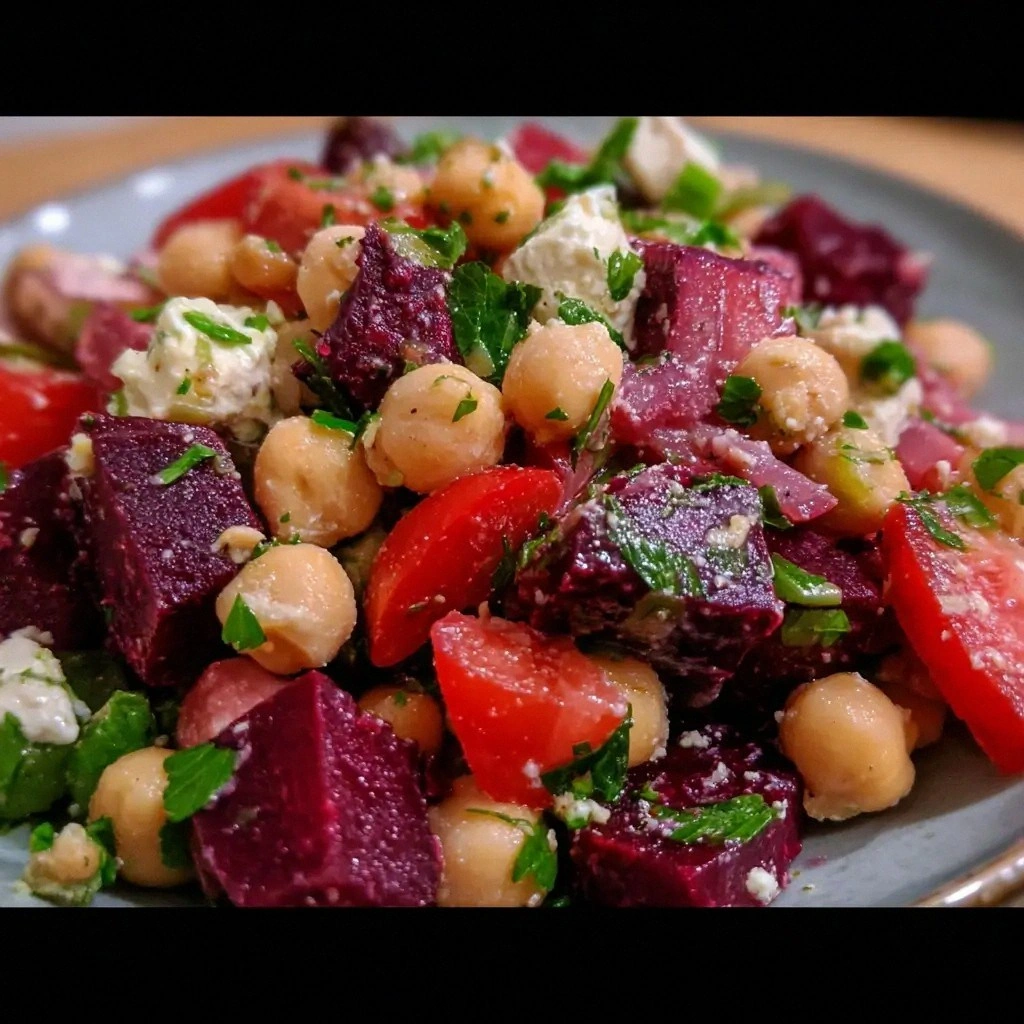
Picture this: a bowl brimming with glossy beetroot cubes, each one glistening like a ruby, paired with plump chickpeas that look like tiny, savory pearls. The crunch of fresh cucumber and the sharpness of red onion create a texture profile that sings in your mouth. A drizzle of olive oil, a splash of lemon, and a sprinkle of feta transform the dish into a symphony of flavors—sweet, tangy, salty, and umami—all harmonizing in perfect balance. The finish is a subtle, smoky whisper from the toasted walnuts that add a satisfying crackle. Every bite is a burst of color and flavor that feels like a hug from nature itself. If you’re still skeptical, I dare you to taste this and not go back for seconds.
I’m not just talking about a salad; I’m talking about a culinary experience that elevates the humble beetroot and chickpea to superstar status. The secret? A combination of techniques that unlock the beetroot’s natural sweetness while keeping the chickpeas tender yet firm. The result is a dish that feels indulgent without the guilt, making it the best version you’ll ever make at home. I’ll be honest—after the first batch, I ate half of it before anyone else got a chance to try it. Most recipes get this completely wrong, missing the balance of acidity and the subtle earthiness that makes each bite memorable. Picture yourself pulling this out of the oven, the whole kitchen smelling incredible, and your guests lining up for seconds.
Okay, ready for the game-changer? Let me walk you through every single step—by the end, you’ll wonder how you ever made it any other way. This isn’t just a recipe; it’s a lesson in flavor layering, timing, and the joy of creating something that looks as good as it tastes. The ingredients are simple, the process is straightforward, but the outcome is a salad that will have people asking for the recipe. I’ll sprinkle in some micro-challenges, bold claims, and a few kitchen hacks to keep you on your toes. And trust me, this next part? Pure magic. Stay with me here—this is worth it.
What Makes This Version Stand Out
- Flavor Depth: The slow roasting of beetroot brings out a caramelized sweetness that balances the earthy chickpeas. The lemon and olive oil dressing cuts through the richness, leaving a clean finish. Together, they create a complex profile that’s both comforting and exciting.
- Texture Contrast: Crunchy cucumber and red onion add a lively bite, while toasted walnuts provide a satisfying crackle. The chickpeas stay firm, preventing the salad from becoming mushy. This combination keeps each mouthful interesting.
- Color Palette: A visual feast of deep magenta, bright green, and creamy white makes the dish Instagram-worthy. The colors also signal nutrient diversity—vitamins, minerals, and antioxidants are all present.
- Nutritious Boost: Each serving delivers over 350 calories but is packed with protein, fiber, and healthy fats. The beetroot offers nitrates that support cardiovascular health, while chickpeas provide plant-based protein.
- Make-Ahead Friendly: The salad can be assembled up to 24 hours in advance. The flavors meld beautifully, and the dressing can be added just before serving to keep the greens crisp.
- Versatile Base: Whether you’re serving it as an appetizer, side dish, or light main course, the salad adapts effortlessly. Add a protein like grilled chicken or tofu for a more filling meal.
Inside the Ingredient List
The Flavor Base
Beetroot is the star of the show, but it’s the roasting that truly unlocks its potential. When you roast beetroot, the natural sugars caramelize, creating a deep, sweet flavor that pairs wonderfully with the chickpeas’ nutty undertone. The key is to roast at a high temperature—around 425°F—so the exterior crisps while the interior stays tender. If you skip roasting, you’ll end up with a salad that tastes raw and lacks depth. For a twist, add a splash of balsamic glaze during the last five minutes of roasting to introduce a subtle acidity that brightens the dish.
Chickpeas are the protein backbone, providing both texture and a mild, earthy flavor that complements the beetroot. I use canned chickpeas for convenience, but if you’re feeling adventurous, soak and cook them yourself for a fresher taste. Rinse and drain them before adding to the salad to remove excess sodium. If you prefer a lighter version, replace half the chickpeas with edamame or green peas. The chickpeas absorb the dressing beautifully, becoming a delicious, cohesive component.
Red onion adds a sharp, slightly sweet bite that cuts through the richness of the beetroot. Thinly sliced, it offers a crispness that lingers on the palate. Be careful not to slice it too thin, or it will overpower the other flavors. A pinch of salt helps mellow its bite, creating a balanced flavor profile. If you’re allergic to onions, replace with a thin slice of scallion or a small amount of minced garlic for a different nuance.
Cucumber provides a cool, refreshing contrast that keeps the salad from feeling too heavy. Dice it into small cubes so it blends seamlessly with the beetroot. The moisture from the cucumber also helps to distribute the dressing evenly. If you prefer a crunchier bite, leave the cucumber in larger chunks. For a smoky twist, lightly grill the cucumber slices before adding them to the bowl.
Feta cheese adds a creamy, salty element that balances the sweetness of the beetroot. Crumble it just before serving to keep its texture intact. The cheese also introduces a subtle tang that enhances the overall flavor. If you’re vegan or lactose intolerant, swap feta for crumbled goat cheese or a vegan cheese alternative. The key is to choose a cheese that holds its shape and offers a rich, salty finish.
The Texture Crew
Fresh parsley adds a bright, herbaceous note that lifts the dish. Chop it finely so it disperses evenly throughout the salad. Parsley also provides a pop of color, making the dish visually appealing. If you prefer mint, it offers a cooler, sweeter flavor that pairs beautifully with lemon. A pinch of dried oregano or thyme can also add a subtle earthiness.
Fresh mint offers a refreshing, slightly sweet taste that contrasts the beetroot’s earthiness. It’s especially delightful when paired with a citrusy dressing. Mint is also known for its digestive benefits, making the salad easier on the stomach. If mint is out of season, you can use basil or cilantro for a different flavor profile. Just be mindful that each herb brings its own unique character to the dish.
Olive oil is the medium that carries all flavors together. A good quality extra virgin olive oil adds a peppery note and a silky mouthfeel. The oil also helps the dressing adhere to the vegetables, ensuring every bite is flavorful. For a healthier option, you can use avocado oil or walnut oil, which also pair well with beetroot. The key is to use enough oil to coat each ingredient lightly.
Lemon juice provides bright acidity that cuts through the richness of the feta and the sweetness of the beetroot. It also helps keep the greens crisp and prevents them from wilting. Squeeze fresh lemon juice for the best flavor; bottled lemon juice can taste flat. If you prefer a milder citrus note, try orange or grapefruit juice. Just remember to balance the acidity to avoid overpowering the dish.
Balsamic glaze adds a touch of sweetness and depth, turning the dressing into a glossy, caramel-like sauce. Drizzle it sparingly, as it’s potent. The glaze also adds a subtle tang that complements the lemon. If you don’t have balsamic glaze, you can reduce balsamic vinegar in a saucepan until thickened. This DIY version is just as effective and can be stored for future use.
The Unexpected Star
Toasted walnuts provide a nutty crunch that elevates the salad’s texture. Toast them in a dry skillet until fragrant, then let them cool before adding. The walnuts also bring healthy fats and a slight bitterness that balances the dish. If you’re allergic to nuts, substitute with sunflower seeds or pumpkin seeds. These seeds also toast well and add a pleasant crunch.
Goat cheese offers a creamy, tangy flavor that pairs well with the beetroot’s sweetness. It’s a lighter alternative to feta if you’re watching calories. The cheese’s mildness allows the other flavors to shine. If you prefer a more robust cheese, try blue cheese crumbles for an extra kick. Just remember that stronger cheeses can dominate the dish, so adjust the amount accordingly.
The Final Flourish
Salt and pepper are essential for bringing out the natural flavors of each ingredient. Use them sparingly to avoid masking the delicate balance. A pinch of sea salt enhances the beetroot’s sweetness, while freshly ground black pepper adds a subtle heat. If you’re low-sodium, use a salt substitute or reduce the amount by half. The key is to taste as you go and adjust accordingly.
Everything's prepped? Good. Let’s get into the real action. The next steps will guide you from raw ingredients to a salad that will have everyone asking for seconds. I’ve included a few kitchen hacks and watchouts along the way to ensure your dish turns out perfectly. Keep an eye on the timing and temperature, and you’ll see how the flavors develop. And remember, the best salads are those that look as good as they taste.
The Method — Step by Step
- Preheat your oven to 425°F (220°C). Place the diced beetroot on a baking sheet lined with parchment paper. Toss the beetroot with a drizzle of olive oil, a pinch of salt, and a sprinkle of black pepper. Roast for 25-30 minutes, stirring halfway through, until the edges caramelize and the interior is tender. The beetroot should emit a sweet, earthy aroma that fills the kitchen. Let it cool slightly before adding to the salad.
- While the beetroot roasts, rinse and drain the chickpeas. Pat them dry with a paper towel to remove excess moisture. This step ensures the chickpeas stay firm and absorb the dressing well. If you prefer a softer texture, simply let them sit in the oven for the last 5 minutes of the beetroot roasting. The chickpeas should be warm but not hot when you combine them with the beetroot. This timing keeps the salad from becoming soggy.
- Dice the cucumber into bite-sized cubes. For an extra crunch, slice the cucumber into thin half-moons and then dice. Place the diced cucumber in a bowl and add a pinch of salt. Let it sit for 5 minutes to draw out moisture, then rinse and pat dry. This prevents the cucumber from releasing water into the salad. The result is a crisp, refreshing component that balances the richness of the beetroot.
- Thinly slice the red onion. Use a mandoline or a sharp knife for even slices. The thinness ensures the onion’s sharpness doesn’t overpower the dish. Place the slices in a bowl and sprinkle with a little salt to soften them. Let them sit for 10 minutes, then rinse and pat dry. This step mellow the onion’s bite, making it a harmonious addition.
- Chop the fresh parsley and mint. Use a sharp knife or a herb scissors for clean cuts. The herbs should be finely chopped to distribute their flavor evenly throughout the salad. If you prefer a milder herb profile, use only parsley or only mint. The combination of both adds depth and brightness. Set the herbs aside until the dressing is ready.
- Toast the walnuts. Spread them on a dry skillet over medium heat. Stir frequently until they are golden brown and fragrant, about 3-5 minutes. Remove from heat and let them cool completely. Toasting enhances their nutty flavor and adds a satisfying crunch. If you’re allergic to nuts, use sunflower or pumpkin seeds instead.
- Prepare the dressing. In a small bowl, whisk together 3 tablespoons of olive oil, 2 tablespoons of fresh lemon juice, 1 teaspoon of balsamic glaze, and a pinch of salt and pepper. The dressing should be emulsified, with the oil and lemon juice blending into a glossy sauce. Taste and adjust the acidity or salt if needed. The dressing will coat each ingredient, creating a unified flavor profile.
- Assemble the salad. In a large mixing bowl, combine the roasted beetroot, chickpeas, diced cucumber, sliced red onion, chopped herbs, and toasted walnuts. Gently toss to mix. Add the crumbled feta cheese and goat cheese, if using, and fold them in carefully. The cheeses should be distributed evenly without breaking apart. This step ensures every bite contains a balanced combination of textures and flavors.
- Dress the salad. Pour the dressing over the assembled ingredients. Toss gently, ensuring each component is coated. The dressing should cling to the beetroot, chickpeas, and greens. Let the salad sit for 5 minutes to allow the flavors to meld. This resting period enhances the overall taste, making each bite more cohesive.
- Serve immediately. Arrange the salad on a platter or individual plates. Sprinkle a final pinch of salt, pepper, and a drizzle of extra olive oil if desired. Garnish with a few extra mint leaves for a pop of color. The salad should be served at room temperature for the best flavor. Enjoy the vibrant colors, fresh textures, and balanced flavors.
- Optional: add protein. For a heartier meal, top the salad with grilled chicken, tofu, or a poached egg. This addition transforms the dish from a side to a main course. Adjust the dressing amount if you add more protein to keep the salad from becoming too dry. This step is especially useful for lunch or dinner settings.
Insider Tricks for Flawless Results
The Temperature Rule Nobody Follows
Many people roast vegetables at a lower temperature, thinking it preserves nutrients. However, roasting at 425°F is essential for caramelization. The high heat creates a sweet crust that locks in flavor. If you’re worried about burning, use a thermometer to ensure the oven is accurate. The key is to roast until the beetroot edges are crisp and the interior is tender.
Why Your Nose Knows Best
Your nose is the best judge of doneness when roasting. A sweet, earthy aroma signals that the beetroot is ready. If you don’t smell that caramelized scent, give it a few more minutes. The scent will guide you to the perfect texture. Trust your nose and avoid overcooking.
The 5-Minute Rest That Changes Everything
After roasting, let the beetroot rest for 5 minutes before adding it to the salad. This rest allows the flavors to settle and the beetroot to cool slightly. It also prevents the salad from becoming soggy. The rest period is a simple step that makes a big difference. You’ll notice the beetroot’s sweetness is more pronounced.
The Dressing Emulsion Trick
Whisking the dressing vigorously creates a stable emulsion. This means the oil and lemon juice blend into a silky sauce that coats each ingredient. If your dressing separates, add a teaspoon of mustard or a pinch of salt to help bind it. The emulsion ensures a uniform flavor across the salad. A good dressing can make or break the dish.
The Final Garnish Touch
A sprinkle of fresh herbs right before serving adds a burst of color and aroma. Consider adding a drizzle of extra virgin olive oil or a splash of balsamic reduction for visual appeal. The garnish should be subtle, enhancing the dish without overpowering it. A final pinch of sea salt can elevate the flavors. The garnish is the finishing flourish that turns a good salad into a great one.
Creative Twists and Variations
This recipe is a playground. Here are some of my favorite ways to switch things up:
Mediterranean Twist
Replace feta with crumbled goat cheese and add kalamata olives for a briny depth. Swap the lemon dressing for a yogurt-based sauce for a creamy finish. The olives add a salty punch that pairs well with the sweet beetroot. This version is perfect for a Mediterranean-themed dinner. The combination of textures and flavors feels like a vacation.
Spicy Kick
Add a pinch of cayenne pepper or a few dashes of hot sauce to the dressing for heat. Incorporate sliced jalapeños or a handful of roasted red pepper flakes for extra spice. The heat balances the sweetness of the beetroot and the creaminess of the cheese. This version is great for those who love a spicy bite. The flavor profile becomes more complex and exciting.
Vegan Upgrade
Omit the feta and goat cheese entirely, and replace them with crumbled tofu or hemp seeds. Use a vegan feta alternative made from almonds or cashews. The tofu adds protein, while the hemp seeds bring a nutty flavor. This version is lighter yet still satisfying. It’s perfect for plant-based diners.
Roasted Sweet Potato Swap
Swap beetroot for roasted sweet potatoes for a different sweet note. Use a similar roasting method, but reduce the oil slightly. Sweet potatoes pair well with the chickpeas and the fresh herbs. The color contrast is striking, and the flavor is comforting. This variation is ideal for fall or winter.
Summer Picnic Edition
Add a handful of fresh blueberries or diced strawberries for a burst of summer fruit. Use a light honey-lime dressing instead of the lemon vinaigrette. The fruit adds juiciness and a sweet-tart balance. This version is perfect for a sunny picnic or a brunch spread. The salad feels fresh and light.
Storing and Bringing It Back to Life
Fridge Storage
Store the salad in an airtight container for up to 3 days. Keep the dressing separate until ready to serve to maintain crunch. The vegetables will stay fresh, and the flavors will meld beautifully over time. If you need to store the dressing, refrigerate it in a small jar. When ready to serve, toss the dressing with the salad just before eating. This keeps the salad crisp and flavorful.
Freezer Friendly
The salad can be frozen for up to 1 month. Remove the feta and goat cheese before freezing to prevent them from becoming watery. Freeze the vegetables and chickpeas together, then thaw in the refrigerator overnight. Reheat gently in a skillet or microwave, adding a splash of water to keep moisture. The texture remains intact, and the flavors stay vibrant.
Best Reheating Method
Reheat the salad in a skillet over low heat, stirring occasionally. Add a splash of water or broth to help rehydrate the ingredients. The gentle heat brings back the freshness without overcooking. Alternatively, microwave on low power for 30-60 seconds, then stir. The key is to warm, not cook, the salad.