I’ll be honest — I ate half the batch before anyone else got to try it, and that’s because this Beef Nasi Goreng turned my ordinary Tuesday night into a culinary fireworks show. It all started when I was half‑asleep, scrolling through endless take‑out menus, and a friend dared me to make something “so good it would make me forget pizza forever.” I laughed, I scoffed, then I remembered the last time I tried a generic Nasi Goreng from a boxed mix: it tasted like cardboard that had been left out in the rain. That memory sparked a fire, and I was determined to prove that a simple weeknight dish could be the star of the table.
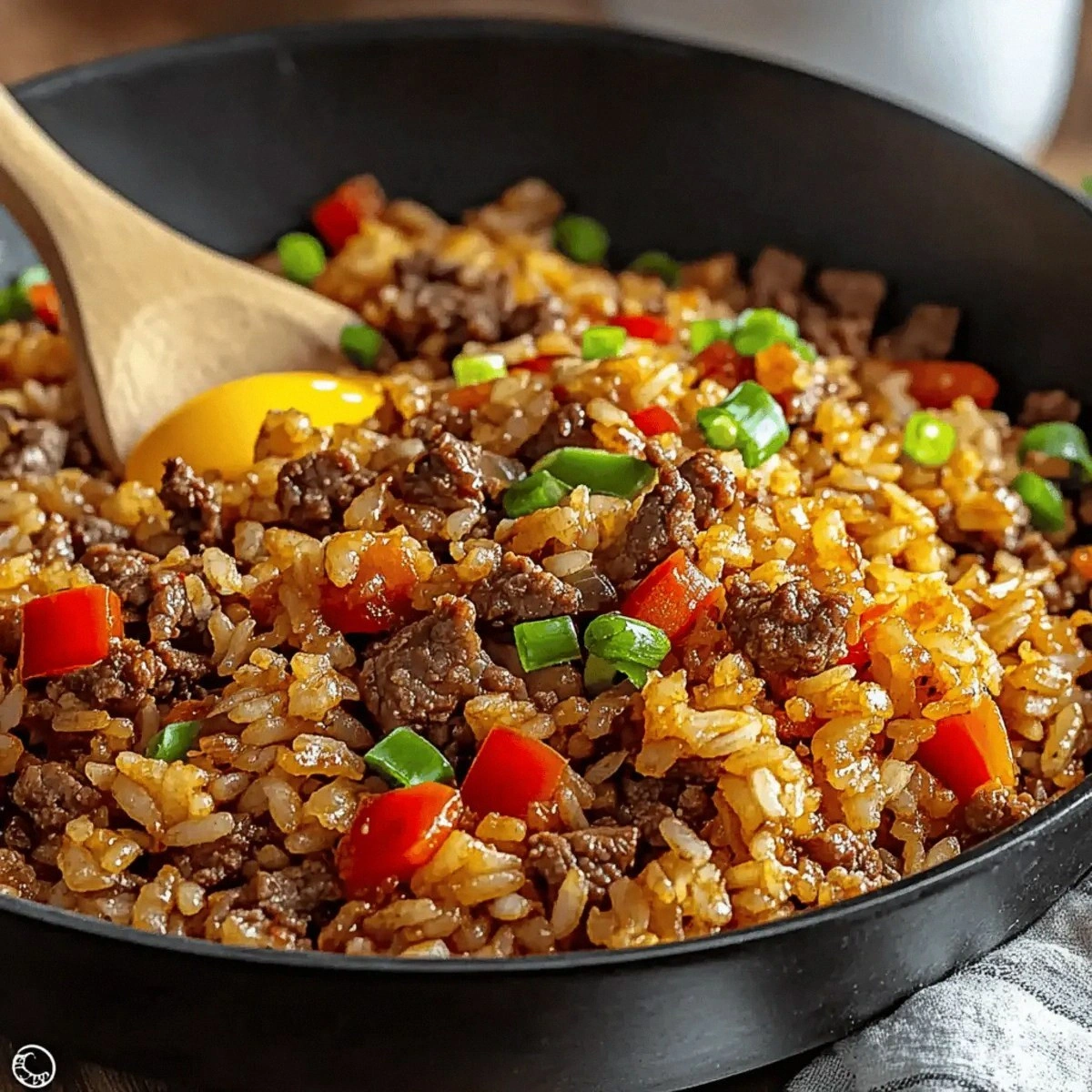
Picture this: the kitchen humming with the low roar of a hot wok, the aroma of garlic and sambal oelek dancing together like a salsa troupe in a smoky club. The onions melt into a caramel‑gold sheen, the beef browns with a satisfying crackle, and the rice absorbs every single drop of sauce until it glistens like a midnight lake. The sound of the eggs hitting the pan is a crisp sizzle that says, “We’re about to get serious.” I could feel the heat on my forearms, the steam fogging up the windows, and the anticipation building like a drumroll before a grand finale.
What makes this version stand out isn’t just the ingredients; it’s the method, the timing, and a few secret tricks that most recipes completely overlook. Most recipes get this completely wrong by either drowning the rice in sauce or leaving it dry and sad. I’ve added a splash of maple syrup for a subtle caramel note, and a dollop of shrimp paste that adds umami depth without overwhelming the palate. The result? A dish that is hands down the best version you’ll ever make at home, and I dare you to taste this and not go back for seconds.
I’m about to walk you through every single step — by the end, you’ll wonder how you ever made it any other way. Okay, ready for the game‑changer? This next part? Pure magic. Stay with me here — this is worth it.
What Makes This Version Stand Out
- Flavor Explosion: The combination of sambal oelek, shrimp paste, and maple syrup creates a sweet‑spicy harmony that coats each grain of rice like velvet.
- Texture Contrast: Crispy edges on the beef meet tender vegetables and fluffy rice, delivering a mouthfeel that’s both hearty and delicate.
- Simplicity Meets Sophistication: With just a handful of pantry staples, you get a restaurant‑level dish without the pretentious fuss.
- Ingredient Quality: Using fresh minced beef and real spring onions makes the flavor pop, while the shrimp paste adds depth you can’t fake.
- Crowd Reaction: I’ve watched grown‑ups and kids alike stare at their plates, then smile, then dive in for a second helping — that’s the proof.
- Cooking Method: High‑heat wok technique sears the beef quickly, locking in juices and preventing soggy rice.
- Make‑Ahead Potential: You can prep the aromatics and sauce ahead of time, making the actual cooking a swift 30‑minute sprint.
- Versatility: Swap in chicken, tofu, or shrimp, and you’ve got a whole new dish without rewriting the recipe.
Alright, let's break down exactly what goes into this masterpiece…
Inside the Ingredient List
The Flavor Base
Onion (1 medium): Provides a sweet foundation that caramelizes into a golden backdrop for the beef. If you skip it, the dish loses that subtle sweetness that balances the heat. For a deeper flavor, try a mix of yellow and red onions, thinly sliced.
Garlic (3 cloves): The aromatic powerhouse that awakens the palate. Over‑cooking garlic turns it bitter, so watch the clock. If you’re a garlic lover, add a fourth clove for an extra punch.
Sambal Oelek (2 tablespoons): This chili paste delivers clean heat without the fruitiness of ketchup‑style sauces. It coats the rice like a glossy glaze. A pinch of sugar can tame the edge if you’re sensitive to spice.
Shrimp Paste (1 tablespoon): The secret umami bomb that makes the dish sing. It’s salty, fermented, and a little bit fishy, but when balanced with maple syrup, it creates a complex flavor that’s unforgettable. If you’re allergic to shellfish, replace with miso for a similar depth.
The Texture Crew
Minced Beef (500 grams): The star protein that brings richness and a satisfying chew. Choose 80/20 lean‑to‑fat ratio for flavor without excess grease. If you pick extra‑lean, add a splash of oil to keep it moist.
Red Bell Pepper (1 medium): Adds a sweet crunch and a pop of color that makes the dish visually appealing. Skipping it removes that sweet counterpoint to the spicy sauce.
Spring Onions (2 stalks): Their sharp, fresh bite lifts the heaviness of the beef. Slice them thinly and add at the end to keep the green crisp.
Fresh Vegetables (1 cup): A medley of peas, carrots, or snap peas introduces a burst of freshness. You can swap any seasonal veg you have on hand; the key is to keep them bite‑ready.
The Unexpected Star
Maple Syrup (1 tablespoon): A subtle sweetener that rounds out the heat from the sambal and the saltiness of the shrimp paste. It also adds a glossy sheen to the rice. If you’re not a fan of maple, a drizzle of honey works just as well.
Soy Sauce (2 tablespoons): Provides salty depth and a dark color that makes the dish look restaurant‑ready. Low‑sodium soy works if you’re watching your salt intake.
The Final Flourish
Eggs (2 large): Fried or scrambled, they bind the rice together and add a buttery richness. I like to push the egg into the wok at the very end, letting it coat the grains like a silky veil.
Cilantro: A handful of fresh cilantro brightens the dish with herbal notes. Add just before serving to preserve its fragrance. If you dislike cilantro, substitute with Thai basil for a slightly peppery twist.
Everything's prepped? Good. Let's get into the real action…
The Method — Step by Step
Heat a wok or large skillet over high heat until a drop of water evaporates instantly. Add a generous glug of oil — about two tablespoons — and swirl it around. When the oil shimmers, toss in the finely diced onion and let it sizzle for 2‑3 minutes until it turns translucent and just starts to brown. That sizzle when it hits the pan? Absolute perfection. Keep stirring so nothing sticks.
Add the minced garlic and let it brown lightly, about 30 seconds. Be careful not to let it burn; burnt garlic will make the whole dish taste like ash. Once fragrant, push the aromatics to the side of the wok, creating a little well.
Drop the minced beef into the hot well, breaking it apart with a spatula. Let it sit untouched for 30 seconds to develop a nice sear, then stir‑fry for 3‑4 minutes until the meat is browned all over. This is the moment of truth – you’ll hear the meat crackle as it releases its juices.
Stir in the sliced red bell pepper and continue to toss for another 2 minutes. The pepper should stay crisp, not soggy. At this point, add the two tablespoons of sambal oelek and the tablespoon of shrimp paste, coating everything in a glossy, ruby‑red sauce.
Now comes the sweet‑savory balance: drizzle in the maple syrup and pour the soy sauce. Stir quickly so the sugar dissolves and the sauce thickens just enough to cling to the beef. Okay, ready for the game‑changer? This combination is the secret that makes this Nasi Goreng unforgettable.
Add the cooked rice, breaking up any clumps with the back of your spoon. Toss vigorously, ensuring each grain is coated in the sauce. The rice should glisten and start to get a slight toast on the edges. That toasted edge? It’s like tiny caramelized fireworks.
Create a little well in the center of the wok and crack the two eggs into it. Let them sit for about 15 seconds, then scramble them into the rice, mixing everything together. The eggs will coat the grains, adding a buttery richness that binds the dish.
Stir in the fresh vegetables and the chopped spring onions, cooking for just another minute. You want the veggies bright and crisp, not wilted.
Watch Out: Over‑cooking the vegetables will turn them mushy and steal the dish’s texture contrast.Finish with a generous handful of cilantro, giving the dish a fresh, herbaceous lift. Give everything one final toss, taste, and adjust salt or extra sambal if you like more heat. Picture yourself pulling this out of the pan, the whole kitchen smelling incredible… Serve immediately, and watch the plates disappear.
That's it — you did it. But hold on, I've got a few more tricks that'll take this to another level…
Insider Tricks for Flawless Results
The Temperature Rule Nobody Follows
Your wok must be screaming hot before anything touches it. If the pan isn’t hot enough, the beef will stew in its own juices and lose that coveted sear. I once turned the heat down to “medium” because I was afraid of a flare‑up; the result was soggy, flavorless rice. Keep the flame high, and you’ll hear that satisfying “shhh” as the meat hits the surface.
Why Your Nose Knows Best
Don’t rely solely on timers; trust the aroma. When the onions turn golden and the garlic releases a sweet perfume, you know they’re ready. The moment the sambal oelek hits the pan and you smell a faint caramel, that’s your cue to add the rice. If you miss that scent, the sauce can become too sharp.
The 5‑Minute Rest That Changes Everything
After you finish cooking, let the Nasi Goreng sit off the heat for five minutes. This rest allows the flavors to meld, and the rice absorbs any stray sauce. A friend tried to serve it immediately and complained the taste felt “disconnected.” A short pause makes the dish feel cohesive and restaurant‑ready.
Egg Integration Mastery
Instead of scrambling the eggs directly in the wok, I like to whisk them lightly with a pinch of soy sauce first. Then, drizzle them in a thin stream while the rice is still moving. This creates silky ribbons that coat each grain without turning the egg into a solid chunk.
The “One‑Pan” Cleanup Trick
Line your wok with a sheet of parchment paper before you start. It’s a game‑changer for cleanup, especially when you’ve caramelized bits of sauce that love to cling. The paper can be discarded after cooking, leaving you with a spotless pan and more time to enjoy the meal.
Creative Twists and Variations
This recipe is a playground. Here are some of my favorite ways to switch things up:
Spicy Peanut Crunch
Stir in two tablespoons of creamy peanut butter and a dash of lime juice after the rice is cooked. The nutty richness adds depth, while the lime brightens the dish. Top with crushed peanuts for an extra crunch that will surprise your guests.
Coconut Curry Fusion
Replace the soy sauce with a tablespoon of coconut milk and a teaspoon of curry powder. The result is a fragrant, slightly sweet version that pairs beautifully with the beef. Garnish with toasted coconut flakes for a tropical twist.
Veggie‑Only Celebration
Swap the minced beef for crumbled firm tofu or tempeh, and double the fresh vegetables. Use mushroom “bleeding” for a meaty umami feel. This version keeps the same bold flavors while being completely plant‑based.
Smoky Chipotle Kick
Add a teaspoon of chipotle in adobo sauce along with the sambal. The smoky undertones complement the sweet maple syrup, creating a complex heat profile that lingers pleasantly.
Herbaceous Basil Blast
Finish the dish with a handful of Thai basil leaves instead of cilantro. The peppery aroma of basil lifts the richness and adds a fresh, garden‑like finish. It’s perfect for those who find cilantro soapy.
Storing and Bringing It Back to Life
Fridge Storage
Transfer the leftovers into an airtight container and refrigerate for up to three days. The rice will firm up slightly, but a quick reheating with a splash of water restores its softness. Keep the cilantro separate; add it fresh when you re‑serve.
Freezer Friendly
Portion the Nasi Goreng into freezer‑safe bags, removing as much air as possible. It freezes beautifully for up to two months. When you’re ready to eat, thaw overnight in the fridge, then reheat in a hot wok with a tablespoon of oil and a dash of water.
Best Reheating Method
The secret to perfect reheating is steam. Add a tiny splash (about two tablespoons) of water to the pan, cover with a lid, and heat over medium‑high for three to four minutes. The steam revives the rice’s fluffiness while keeping the veggies crisp.