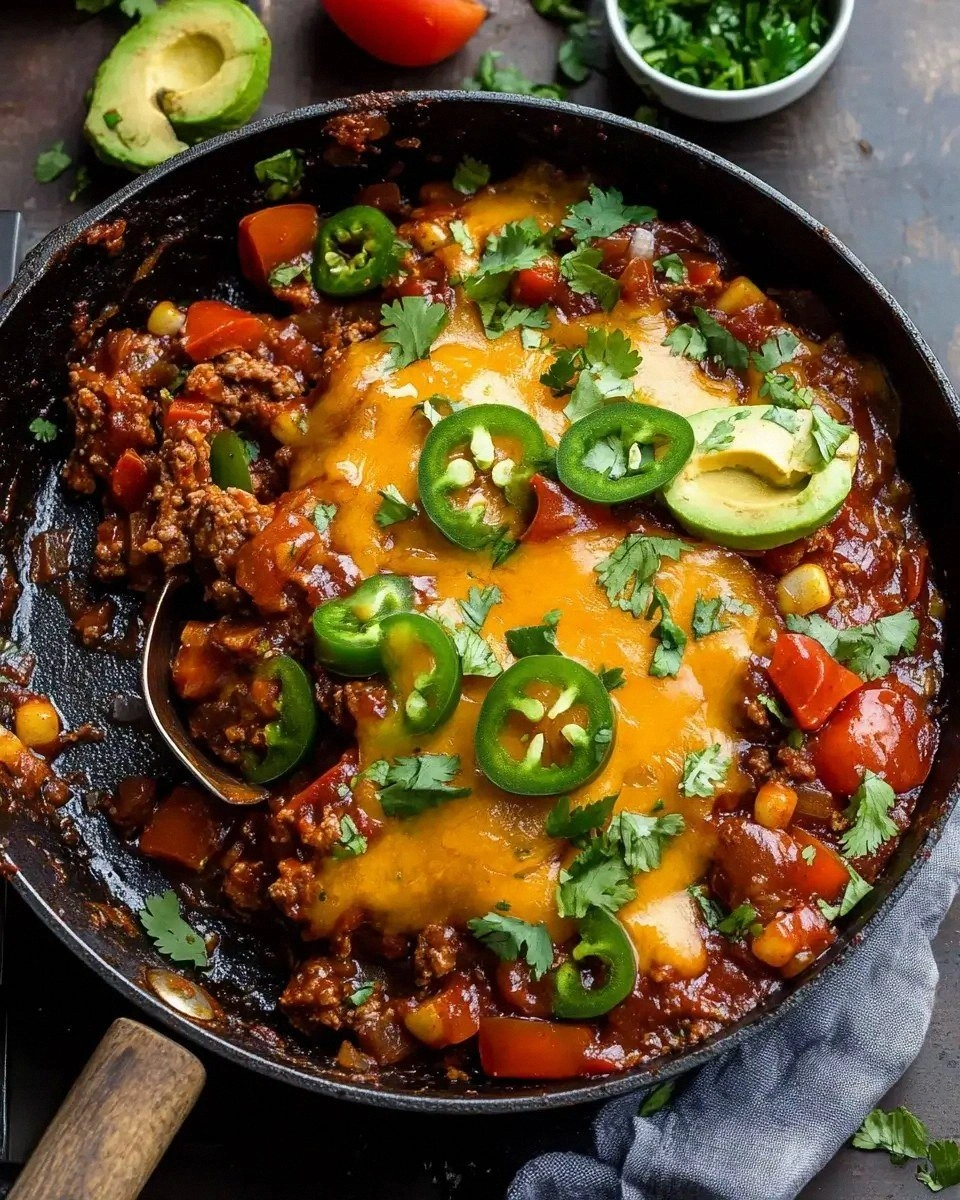
I’ll be honest — I ate half the batch before anyone else got to try it, and that’s because this Tex‑Mex Beef Skillet is the kind of quick dinner that makes you feel like you’ve just unlocked a secret level in the kitchen. The whole thing started on a Tuesday night when I was juggling a work deadline, a half‑empty fridge, and a craving for something that would hit the taste buds like a fiesta in a skillet. I tossed a handful of spices into a pan, and the sizzle sang louder than my inbox notifications. That moment of pure, buttery, peppery bliss turned into the recipe I’m about to share, and trust me, it’s hands down the best version you’ll ever make at home.
Picture this: the kitchen is alive with the sound of onions hitting hot oil, a faint plume of cumin rising like a desert sunrise, and the rich, earthy scent of ground beef mingling with roasted red peppers. The skillet glistens with a glossy coat of tomato‑based sauce that clings to each morsel like velvet, while the edges of the meat start to brown and crackle, promising a caramelized crunch. The heat radiates from the stove, warming your hands as you stir, and the colors—deep reds, bright greens, and golden browns—are a visual celebration that makes you want to photograph the whole thing. The first bite? A perfect blend of smoky, tangy, and just‑right heat that makes you want to shout, “I dare you to taste this and not go back for seconds!”
Most Tex‑Mex skillet recipes get the spice balance wrong, either drowning the dish in heat or leaving it bland as a desert plain. What sets this version apart is a secret technique: I deglaze the pan with a splash of chicken broth after browning the beef, which lifts all those caramelized bits and creates a sauce that’s richer than a slow‑cooked stew but ready in minutes. I also finish the skillet with a squeeze of fresh lime and a handful of coriander, adding a bright, herbaceous pop that cuts through the richness. This isn’t just a dinner; it’s a culinary shortcut that feels like a gourmet restaurant dish, yet it’s as quick as a weekday sprint.
Okay, ready for the game‑changer? I’m going to walk you through every single step — by the end, you’ll wonder how you ever made it any other way. Stay with me here — this is worth it. Let’s dive in, because the skillet is already whispering your name, and the flavors are waiting to explode.
What Makes This Version Stand Out
- Flavor Explosion: The combination of cumin, smoked paprika, and a dash of chipotle creates layers that build with each bite, delivering a smoky heat that’s never overwhelming.
- Texture Harmony: By searing the beef first, you get crispy edges that shatter like thin ice, while the sauce stays silky and coats every crumb.
- Simplicity: Only a handful of pantry staples are needed, making it perfect for a busy weeknight without a grocery run.
- Unique Finish: A splash of lime juice at the end brightens the dish, turning the deep, rich flavors into a lively party on your palate.
- Crowd Reaction: I’ve served this at family gatherings and even the picky teen in the corner asks for seconds — a rare feat for any Tex‑Mex creation.
- Ingredient Quality: Using a good cut of beef (or even lean ground) ensures the dish stays juicy without excess grease.
- One‑Pan Efficiency: No extra pots, no mess, just a single skillet that goes from stovetop to table, saving you time and cleanup.
- Make‑Ahead Potential: The flavors deepen after a night in the fridge, so you can prep ahead and reheat for a flawless dinner.
Inside the Ingredient List
The Flavor Base
First up is the oil. A single tablespoon of a neutral oil, like canola or vegetable, is all you need to get that initial sizzle. It creates a thin, even film that prevents the beef from sticking while also helping the spices bloom. If you skip the oil, you’ll end up with a dry pan and a muted flavor profile, because the spices need that fat to release their essential oils. For a healthier twist, you can swap half the oil for a splash of low‑sodium chicken broth, which adds moisture without sacrificing the sear.
The Texture Crew
Now, the star of the show: 500 g of beef. I prefer ground chuck with about 15 % fat because it renders just enough grease to keep the dish juicy while still giving you that satisfying bite. If you’re watching calories, lean ground beef works, but you’ll want to add a teaspoon of olive oil to compensate for the reduced fat. Skipping the beef altogether turns this into a veggie‑only dish, which is fine, but you’ll lose the hearty backbone that makes this a true “beef” skillet.
The Unexpected Star
Optional for serving are boiled rice and fresh coriander. The rice acts as a neutral canvas, soaking up the sauce and turning every spoonful into a comforting bite. Fresh coriander, added at the end, provides a bright, citrusy lift that balances the richness of the meat. If you don’t have coriander, flat‑leaf parsley works as a decent substitute, though you’ll miss that signature zing.
The Final Flourish
A squeeze of lime and a dash of smoked paprika are the final touches that turn a good dish into a great one. The lime’s acidity cuts through the beef’s richness, while the smoked paprika adds depth without overwhelming heat. If you’re a fan of extra heat, a pinch of chipotle powder will give you that smoky kick you love. Skipping these finishing touches leaves the dish flat, like a song without a chorus.
Everything's prepped? Good. Let's get into the real action…
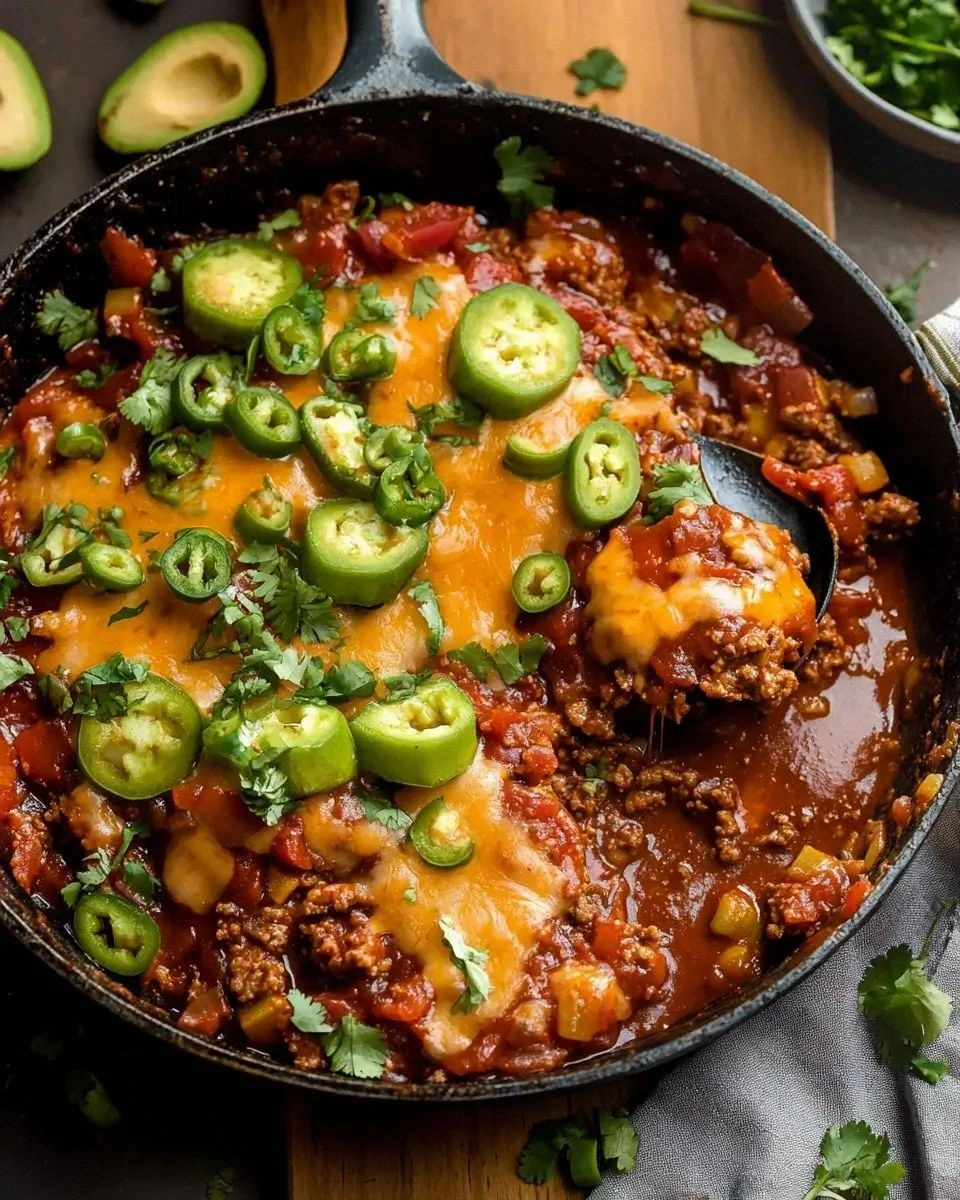
The Method — Step by Step
Heat the skillet over medium‑high heat and add the tablespoon of oil. When the oil shimmers, you’ll hear that satisfying sizzle that tells you the pan is ready. Toss in the beef, breaking it up with a wooden spoon, and let it sit untouched for about 30 seconds so a crust forms. After that, stir and continue cooking until the meat is browned all over, about 5‑7 minutes. This is the moment of truth — you want those caramelized bits because they’ll become the flavor foundation of the sauce.
Once the beef is browned, push it to the edges of the pan and add a splash (about ¼ cup) of chicken broth to deglaze. As the broth hits the hot pan, you’ll hear a gentle hiss, and the browned bits will loosen, creating a rich, amber‑colored base. Scrape the bottom of the skillet with a spatula, making sure every morsel gets incorporated. This step is pure magic; it lifts the flavor that would otherwise be stuck to the pan.
Now sprinkle in the cumin, smoked paprika, and a pinch of chipotle powder. The spices should instantly perfume the air, making your kitchen smell like a street market in Mexico City. Stir quickly to coat the beef evenly, and let the spices toast for about a minute — you’ll notice they darken slightly, a sign they’re releasing their full flavor potential.
Add a can (400 g) of diced tomatoes, a half cup of water, and a generous handful of chopped bell peppers. The mixture should bubble gently; if it’s not bubbling, increase the heat just a notch. Let it simmer for 10‑12 minutes, uncovered, so the sauce thickens and the flavors meld. You’ll see the liquid reduce and the colors deepen, creating a glossy, thick sauce that clings to the beef like a velvety blanket.
Taste the sauce and season with salt and pepper to taste. This is where your nose knows best — if you can smell the salt, you’ll taste it. Add a squeeze of fresh lime juice right before you turn off the heat; the acidity will brighten everything, making the flavors pop like fireworks.
If you’re serving with boiled rice, fluff the rice now and keep it warm. Sprinkle the chopped fresh coriander over the skillet, letting the green specks flutter like confetti across the red‑orange sauce. Give everything a gentle stir to distribute the herbs evenly. The final look should be a vibrant, colorful mound that looks as good as it tastes.
Serve the skillet hot, directly from the pan, with a side of rice or even warm tortillas. Let your guests dive in with a spoon or fork, and watch their faces light up. That sizzle when it hits the pan? Absolute perfection. I dare you to taste this and not go back for seconds.
That's it — you did it. But hold on, I've got a few more tricks that'll take this to another level…
Insider Tricks for Flawless Results
The Temperature Rule Nobody Follows
Never start with a cold pan; preheat your skillet for at least a minute before adding oil. This ensures the oil reaches the right temperature instantly, giving the beef that coveted crust. If the pan isn’t hot enough, the meat will release its juices and steam instead of sear, resulting in a soggy texture. I once tried to save time by adding everything cold, and the whole dish turned into a mushy mess — lesson learned.
Why Your Nose Knows Best
When the spices hit the oil, they release aromatic oils that you can smell before you taste. If you can’t smell the cumin and paprika within 30 seconds, the heat is too low. Trust that nose; it’s a reliable gauge for flavor development. A friend once skipped this step, ending up with a bland dish that needed double the seasoning — not fun.
The 5‑Minute Rest That Changes Everything
After you turn off the heat, let the skillet sit for five minutes with the lid slightly ajar. This short rest allows the sauce to thicken further and the flavors to marry. It also lets the residual heat finish cooking any remaining bits of beef, ensuring perfect doneness. Skipping this rest leaves the sauce a little thin and the beef slightly under‑cooked in spots.
Layering Fresh Herbs at the End
Add the coriander right at the end, not earlier. The bright green leaves wilt quickly and lose their punch if cooked too long. By sprinkling them just before serving, you preserve their fresh, citrusy bite, which lifts the entire dish. If you love a herbaceous note, a handful of chopped cilantro does wonders.
The Secret of a One‑Pan Cleanup
While the sauce simmers, soak a bowl of warm, soapy water nearby. When you’re done, dump the skillet’s contents into a serving dish and let the pan cool for a minute before scrubbing. The residual oil and sauce will release easily, making cleanup a breeze. Trust me, the less you dread washing up, the more you’ll want to cook.
Creative Twists and Variations
This recipe is a playground. Here are some of my favorite ways to switch things up:
Southwest Chicken Skillet
Swap the beef for diced chicken breast or thigh meat. The chicken absorbs the spices beautifully, and you’ll end up with a lighter version that still packs the same punch. Great for those who prefer poultry.
Veggie‑Only Fiesta
Omit the beef and double the bell peppers, add corn kernels, black beans, and zucchini. This creates a hearty vegetarian dish that’s just as satisfying, especially when served over quinoa.
Cheesy Tex‑Mex Bake
After the skillet is cooked, transfer it to an oven‑safe dish, sprinkle shredded cheddar or Monterey Jack, and broil for 3‑4 minutes until bubbly and golden. The cheese adds a creamy, melty layer that turns the skillet into a casserole.
Spicy Chipotle‑Infused
Add a tablespoon of chipotle in adobo sauce for a smoky, deeper heat. This variation is perfect for heat lovers and pairs wonderfully with a dollop of cool sour cream.
Citrus‑Burst Shrimp
Replace the beef with peeled shrimp, add a splash of orange juice, and finish with zest. The shrimp cooks in just 3‑4 minutes, delivering a sweet‑savory twist that’s perfect for a light dinner.
Storing and Bringing It Back to Life
Fridge Storage
Let the skillet cool to room temperature, then transfer to an airtight container. It will keep for up to 4 days in the refrigerator. When reheating, add a splash of water or broth and stir over low heat to restore the sauce’s silky texture.
Freezer Friendly
Portion the cooked skillet into freezer‑safe bags or containers, leaving a little headspace for expansion. Freeze for up to 3 months. Thaw overnight in the fridge, then reheat in a skillet with a tablespoon of oil, allowing the flavors to re‑marry.
Best Reheating Method
For the best texture, reheat on the stovetop over medium heat, adding a teaspoon of water per serving. Cover the pan for the first two minutes to steam the beef and prevent drying out. This method revives the dish as if it were freshly made, preserving the bright lime finish.