Picture this: you're three hours into what was supposed to be a relaxing camping weekend, your stomach is staging a full-blown revolt, and the only thing standing between you and complete hangry meltdown is a sad package of hot dogs that rolled under the cooler. Been there? Oh, I've been there — and that's exactly why I perfected these shrimp corn sausage foil packs that have literally saved friendships and prevented at least three camping divorces. The first time I made these, my camping buddy Dave took one bite, looked me dead in the eye, and declared it was better than any restaurant meal we'd had on the entire road trip. Coming from a guy who once tried to cook ramen in a coffee pot, that's basically a Michelin star.
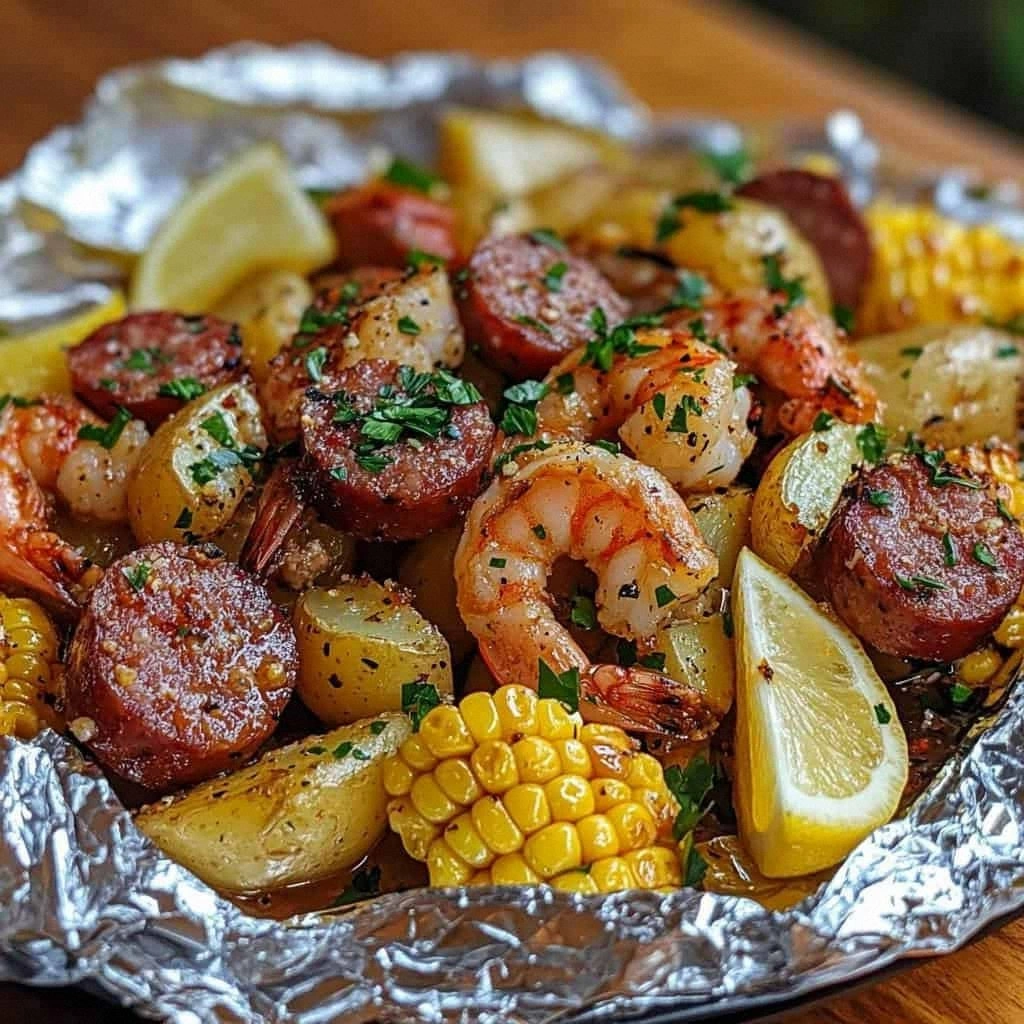
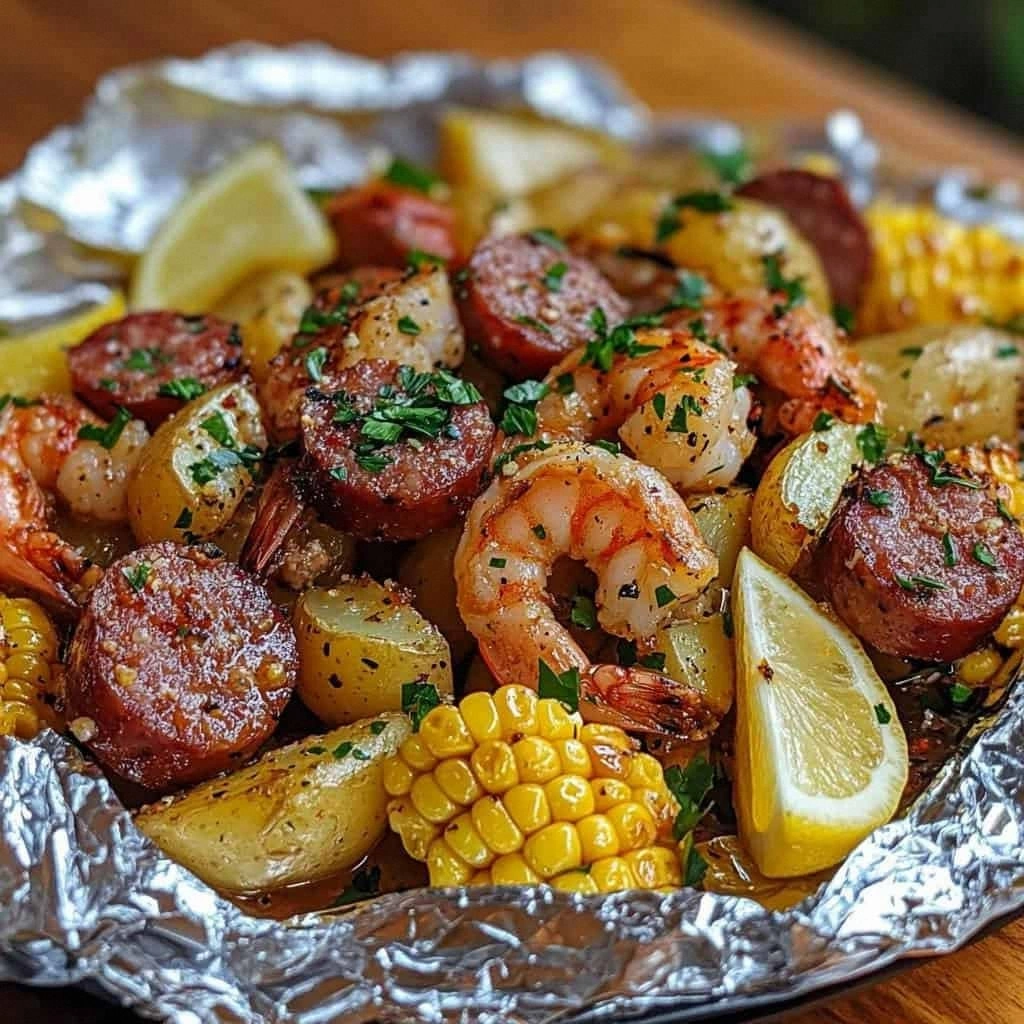
There's something almost magical about pulling a steaming foil packet off the campfire, the aluminum crinkling like gift wrap as you peel it open to reveal perfectly plump shrimp, caramelized sausage coins, and sweet corn that tastes like it was kissed by the gods of summer themselves. The smell alone is enough to make nearby campers abandon their sad PB&Js and wander over like zombies, drawn by the intoxicating blend of garlic, paprika, and butter that's been doing its thing over the flames. I dare you to taste this and not go back for seconds — I mean it, I actually dare you, because I've never seen anyone resist that second helping, not even my friend Sarah who's been on a "strict diet" since 2019.
What makes these foil packs absolutely genius isn't just the flavor bomb they deliver — it's the fact that you can prep everything at home, toss the packets in your cooler, and when you get to camp, you just throw them on the fire and crack open a beer while dinner cooks itself. No pots to wash, no elaborate camp kitchen setup, no pretending you know how to adjust that ancient Coleman stove while everyone watches you fail. Plus, and this is the real kicker, each person gets their own foil pack, which means no sharing unless you really want to, and let's be honest, after a day of hiking, sharing food feels like a crime against humanity.
But here's the secret that takes these from "pretty good camping food" to "holy crap, we need to make these every single weekend" territory — it's all about the layering technique and the Cajun butter bath that everything swims in while cooking. Most recipes get this completely wrong. They just throw everything together and hope for the best, but there's a specific order that ensures your shrimp stays succulent instead of rubbery, your sausage gets those crispy edges we all dream about, and your corn soaks up every last drop of spicy, buttery goodness. Stay with me here — this is worth it.
Let me walk you through every single step — by the end, you'll wonder how you ever made it any other way, and you'll probably start planning camping trips just as an excuse to make these again. Okay, ready for the game-changer?
What Makes This Version Stand Out
Flavor Explosion: The combination of smoky sausage, sweet corn, and succulent shrimp creates a trifecta of taste that hits every single note on your palate. We're talking savory, sweet, spicy, and buttery all at once — it's like a party in your mouth where everyone's invited and somehow they all get along perfectly.
Zero Cleanup Required: Everything cooks in its own little aluminum envelope, which means absolutely no dishes to wash except your fork (and honestly, you could eat this with a stick if you're committed to the no-dish lifestyle). When you're camping, this isn't just convenient — it's the difference between relaxing by the fire and becoming the designated dish slave.
Perfectly Timed Cooking: The layering method ensures everything finishes at exactly the right moment — no overcooked shrimp or underdone sausage. That sizzle when it hits the pan? Absolute perfection, except there's no pan, just pure campfire magic.
Customizable Heat Level: The recipe includes just enough Cajun seasoning to make things interesting without sending your camping buddies running for the nearest stream. But if you're like me and believe pain equals flavor, you can crank up the cayenne and watch grown adults weep tears of spicy joy.
Make-Ahead Marvel: You can assemble these foil packs up to two days before your trip, meaning your actual cooking time at camp is roughly the same as opening a bag of chips. Picture yourself pulling this out of the cooler while your neighbors are still trying to figure out how to light their camp stove.
Leftover Gold: If by some miracle you have leftovers, they reheat beautifully and taste even better the next day when the flavors have had time to marry. I once ate these cold for breakfast straight from the cooler, and I'm not even ashamed about it.
Crowd-Pleasing Guarantee: I've served these to picky kids, food snobs, and that one friend who claims they "don't like seafood" — every single person has become an instant convert. If you've ever struggled with camping meals that everyone actually wants to eat, you're not alone — and I've got the fix.
Alright, let's break down exactly what goes into this masterpiece — and trust me, every single ingredient earns its place in this flavor symphony.
Inside the Ingredient List
The Flavor Base
Let's start with the shrimp, because honestly, they're the divas of this dish. You want large shrimp, and I mean large — those tiny salad shrimp will disappear into nothingness and leave you wondering why you even bothered. The key is getting them peeled and deveined because nobody wants to fuss with shrimp shells when they're covered in mosquito bites and campfire smoke. If you can find wild-caught, grab them — they have a sweeter, more pronounced flavor that makes farm-raised shrimp taste like the fishy equivalent of cardboard. And here's what happens if you skip the deveining step: you'll end up with gritty, muddy-tasting shrimp that ruins the entire experience, so save yourself the heartbreak.
The smoked sausage is your flavor backbone, and this is where you can really make or break the dish. Kielbasa brings a gentle smokiness that plays well with others, while andouille brings the party with its Cajun spices and garlic punch. I personally rotate between both depending on my mood — kielbasa for when I want comfort food vibes, andouille when I want to clear my sinuses. Cut them into half-inch rounds because any thinner and they dry out, any thicker and they don't get those crispy edges that shatter like thin ice when you bite into them. Pro tip: if you find a sausage with visible chunks of fat, buy it — that fat renders out and becomes liquid gold in your foil pack.
The Texture Crew
Corn isn't just filler here — it's nature's built-in butter delivery system. When you cut those ears into rounds, you create little corn wheels that catch all the spicy butter in their centers. Fresh corn in summer is obviously the dream, but honestly, even frozen corn that's been thawed works because the cooking method is so forgiving. The natural sugars in corn caramelize against the hot foil, creating these little burnt-sweet nuggets that people will fight over. Don't you dare use canned corn — it turns to mush and makes the whole thing taste like the school cafeteria from your worst nightmares.
The bell peppers aren't just there for color, though they do make the packet look like a tiny edible rainbow. Red bell peppers bring serious sweetness that balances the spice, while green peppers add that grassy, slightly bitter note that keeps the whole thing from becoming cloying. Chop them into pieces about the size of your thumbnail — any bigger and they won't cook through, any smaller and they disappear into the sauce. And here's a confession: I'll be honest — I ate half the batch of peppers while prepping once, telling myself I was "taste-testing," but really I just love snacking on raw peppers like they're candy.
The Unexpected Star
That medium onion you were going to skip? Don't you dare. Onions are the ultimate team player, melting down into sweet, jammy perfection while absorbing every other flavor like a sponge. I prefer yellow onions for their balance of sweet and sharp, but white onions work if that's what you've got. Chop them small enough that they cook through but not so small that they burn — think pieces that match your pepper size. When they hit the hot foil, they start this magical transformation from sharp and raw to sweet and almost buttery, creating little pockets of caramelized heaven throughout your packet.
Garlic is your aromatic backbone, and fresh is the only way to go here. Those pre-minced jars might seem convenient, but they taste like disappointment and regret. Mince it fine so it distributes evenly and doesn't create any overwhelming garlic bombs. The heat will tame its aggressive bite and leave you with mellow, sweet garlic that makes everything else taste more like itself. Skip the garlic and your whole dish will taste flat and one-dimensional, like listening to music with only half the instruments.
The Final Flourish
Olive oil might seem basic, but it carries all the fat-soluble flavors to every corner of your packet. Use a decent extra-virgin oil — not the fancy stuff you'd save for salad, but not the bargain basement oil that tastes like motor oil either. The quarter cup measurement isn't arbitrary; it's exactly enough to coat everything without creating an oil slick. Mix it with your seasonings first to create a flavor-packed slurry that clings to every ingredient like a tasty second skin.
Cajun seasoning is where you can really customize your heat level. I make my own blend because I'm a control freak, but a good store-bought blend works fine. Look for one that lists paprika as the first ingredient, not salt — you're paying for spices, not expensive salt. Start with two tablespoons and adjust based on your tolerance and whether you want to impress or assault your camping companions. The smoked paprika adds another layer of smokiness that makes people think you've been tending a smoker all day, and the dried thyme brings that herby note that makes everything taste like it came from a proper kitchen, not a campfire.
Everything's prepped? Good. Let's get into the real action — and now the fun part.
The Method — Step by Step
- Start with your foil prep — and this is where most people set themselves up for failure. You need heavy-duty aluminum foil, not that flimsy stuff that tears if you look at it wrong. Cut four sheets, each about 18 inches long, and stack them double for extra protection. Lay them out on your counter like you're preparing surgical drapes, shiny side up. This next part? Pure magic. Take a paper towel and rub a thin film of olive oil on the center of each foil sheet — this creates a non-stick surface and prevents the dreaded food-welded-to-foil situation that has ruined many a camping dinner.
- In a large bowl, create your flavor base by whisking together the olive oil, Cajun seasoning, smoked paprika, thyme, and cayenne if you're feeling brave. This isn't just mixing — you're creating a flavor concentrate that will coat every single ingredient. The oil helps bloom the spices, releasing their essential oils and creating a paste that clings rather than runs. Don't walk away from the stove here — okay, there's no stove yet, but you get the idea. Take a moment to smell this mixture — it should make your mouth water and your camping companions start asking what incredible thing you're making.
- Add your shrimp to the bowl and toss like you're trying to win a salad-tossing championship. Every shrimp needs to be coated in that spicy oil mixture because nobody wants to bite into a bland shrimp. The shrimp will start to turn slightly pink from the paprika — this is good, it's like a preview of coming attractions. Let them marinate while you prep the other ingredients, but not too long or the acid from the spices will start to cook them. Ten minutes is perfect, which coincidentally is exactly how long it takes to chop your vegetables if you hustle.
- Now layer your ingredients on each foil sheet, and pay attention because this is the moment of truth. Start with a small pile of onions and peppers in the center — these will create a bed that prevents the shrimp from direct contact with the foil, which can overcook them. Add your sausage rounds in a single layer, then nestle your corn wheels among them like you're building a tiny edible Stonehenge. The corn pieces should touch the sausage because they're going to share flavors like best friends sharing secrets.
- Distribute the shrimp evenly among the packets, placing them on top so they cook in the steam but don't get overwhelmed by the heavier ingredients. Pour any remaining marinade over the top — this is liquid gold that will create the sauce. Now, and this is crucial, place a tablespoon of butter cut into small pats on top of each packet. The butter will melt and create this incredible sauce that combines with the shrimp juices and sausage fat to create something that would make a French chef weep with joy.
- Seal your packets with the precision of a origami master — you want to create a tight seal that traps steam but leaves room for expansion. Bring the long sides together and fold them down twice, then roll up the ends. Think of it like wrapping a present that you really, really don't want to open before Christmas. The packets should be sealed but not vacuum-tight — they need a little room for the steam to circulate. If you can flip the packet without anything leaking, you've nailed it.
- Fire management is where most camping cooks go wrong. You don't want roaring flames — you want glowing coals that have settled into that perfect medium heat. Hold your hand about six inches above the grate — if you can keep it there for four seconds before it gets uncomfortable, you've got it right. Place your packets on the grate and resist the urge to constantly check them. Every time you open a packet, you lose steam and add five minutes to the cooking time. Set a timer for 15 minutes and walk away. Seriously, walk away. Go drink your beer, tell ghost stories, do anything but hover over those packets.
- After 15 minutes, use tongs to gently flip each packet — they should sizzle satisfyingly when they hit the hot grate. This is where that Kitchen Hack about double-wrapping pays off, because if your foil tears now, you're going to have a very sad dinner. Cook for another 10-12 minutes, depending on how hot your fire is. The shrimp are done when they've turned pink and opaque, and the sausage should have crispy edges. If you're unsure, sacrifice one packet and check — better to eat slightly overcooked food than raw seafood, though neither is ideal.
- Remove the packets from the fire and let them rest for exactly five minutes — not four, not six, but five. This rest time is when the magic happens, when all those juices redistribute and the flavors meld together into something greater than the sum of their parts. It's also when you can plate up any side dishes, though honestly, these packets are a complete meal. When you finally open them, do it over a plate because that sauce is precious and shouldn't be wasted on the ground. The first whiff of steam should make you close your eyes involuntarily — that's when you know you've done it right.
- Garnish with fresh parsley for color and brightness, and serve with lemon wedges if you want to feel fancy. The parsley isn't just for looks — it adds a fresh, herbaceous note that cuts through the richness. Squeeze that lemon over the top and watch how it brightens all the flavors, making everything taste more like itself. That's it — you did it. But hold on, I've got a few more tricks that'll take this to another level...
Insider Tricks for Flawless Results
The Temperature Rule Nobody Follows
Here's the thing that separates camping food champions from the rest of the pack — your fire needs to be at medium heat, not the surface-of-the-sun inferno most people create. I know, I know, everyone thinks bigger flames mean faster cooking, but what you actually get is burnt outsides and raw insides. The perfect temperature is when your coals have that white-gray ash coating and you can hold your hand above the grate for a slow count of four before it gets uncomfortable. A friend tried skipping this step once — let's just say it didn't end well, and we ended up eating slightly charred sausage with raw centers while pretending it was "Cajun-style." Your nose knows best here — when you smell the garlic and butter mingling with the smoke, you're in the right zone.
Why Your Nose Knows Best
Speaking of smell, your nose is actually the most sophisticated cooking timer you own. When these packets are perfectly done, you'll smell this incredible aroma that makes your mouth water uncontrollably — it's like your brain's way of telling you dinner is ready. The scent should be buttery and garlicky with a hint of spice, but not acrid or burnt. If you start smelling something sharp or bitter, your packets are overcooking and you need to rescue them immediately. This is hands down the best version you'll ever make at home or at camp because you're using your senses instead of just blindly following a timer. Trust your instincts — if it smells amazing, it probably is.
The 5-Minute Rest That Changes Everything
I cannot stress this enough — do not skip the resting period. I know you're starving, I know everything smells incredible, and I know your camping buddies are circling like vultures, but those five minutes of patience will be rewarded tenfold. During this rest, the shrimp finish cooking gently in the residual heat, the sauce thickens slightly as it cools, and all those incredible flavors have time to meld together into something transcendent. Think of it like letting a steak rest, except instead of red meat juices redistributing, you've got spicy butter sauce soaking into every nook and cranny. Picture yourself pulling this out of the oven — or off the fire — the whole kitchen (or campsite) smelling incredible, and having the willpower to wait just those few extra minutes. Future you will be so grateful.
The Double-Wrapping Secret
Heavy-duty foil is non-negotiable, but even the good stuff can tear when you're dealing with campfire cooking. The double-wrap method creates a fail-safe system that prevents the catastrophic loss of dinner to the flames. Plus, it creates better heat circulation, cooking everything more evenly. When you wrap your second layer, rotate it 90 degrees from the first layer so the seams don't line up — this creates a better seal and prevents any sneaky leaks. This next part? Pure magic — the space between the two layers of foil creates a little insulation pocket that helps regulate temperature, preventing hot spots that can burn your food.
The Butter Placement Trick
Don't just throw a pat of butter on top and call it a day. Cut your butter into small cubes and distribute them strategically — some on top for basting, some tucked between ingredients for even melting. The butter should be cold when it goes in, not softened, so it melts slowly and creates that incredible sauce as everything cooks. And here's a confession: I once used an entire stick of butter for four packets because I'd had a rough day of hiking, and honestly? They were the best packets I've ever made. Sometimes more is more.
Creative Twists and Variations
This recipe is a playground. Here are some of my favorite ways to switch things up:
The Surf and Turf Deluxe
Replace half the shrimp with chunks of firm white fish like halibut or cod, and add some quartered baby potatoes for a heartier meal. The potatoes need to be par-boiled first so they cook through, but they soak up all that spicy butter like little edible sponges. This version is perfect for those camping trips where you're extra active and need more substantial fuel. The fish adds a different texture and flavor that plays beautifully with the sausage, and people will think you're some kind of camp cooking genius.
The Mediterranean Escape
Swap the Cajun seasoning for Italian herbs, use Italian sausage instead of andouille, and add cherry tomatoes and olives. Finish with fresh basil and a squeeze of lemon. It transforms the whole dish into something that tastes like you're dining on a Greek island instead of huddled around a campfire. The tomatoes burst during cooking and create this incredible sauce with the olive oil and garlic.
The Low-Country Boil Foil Pack
Add small red potatoes and chunks of andouille sausage, then season with Old Bay instead of Cajun seasoning. Include a few sprigs of fresh thyme and finish with a sprinkle of Old Bay on top. It's like someone took a Charleston shrimp boil and made it portable, minus the newspaper-covered tables and communal eating experience.
The Asian Fusion Adventure
Replace the Cajun seasoning with a mix of ginger, garlic, soy sauce, and a touch of sesame oil. Add snap peas and water chestnuts, and finish with fresh cilantro and lime. The umami bomb this creates is absolutely insane, and it's a great way to introduce people to camp cooking who think it's all hot dogs and beans.
The Breakfast Remix
Turn these into breakfast packets by adding par-cooked potatoes, using breakfast sausage, and cracking an egg into each packet during the last five minutes of cooking. The egg poaches in the spicy, buttery sauce and creates this incredible breakfast that will fuel you through a full day of hiking. Just make sure to add the egg gently so it stays intact.
The Vegetarian Conversion
Replace the shrimp and sausage with firm tofu cubes, add extra vegetables like zucchini and mushrooms, and use smoked paprika to get that smoky flavor without the meat. Even dedicated carnivores have devoured this version, especially when you explain that the tofu soaks up all the flavors like little flavor sponges.
Storing and Bringing It Back to Life
Fridge Storage
If you've prepped these at home and need to store them before your trip, assembled foil packs will keep for up to 48 hours in the refrigerator. Wrap them tightly in plastic wrap first, then foil to prevent any air exposure that could degrade the seafood. The key is keeping them cold but not frozen — frozen shrimp will release too much water as they thaw, diluting your sauce. Store them on the bottom shelf where it's coldest, and make sure your fridge is set below 40°F. If you notice any off smells or the shrimp starts to look cloudy, toss it — food poisoning is not the kind of adventure you're looking for on a camping trip.
Freezer Friendly
While you can freeze assembled packets, I don't recommend it because the texture of the shrimp suffers. However, you can freeze the seasoned sausage and vegetables for up to a month, then add fresh shrimp when you're ready to cook. Freeze the vegetable mixture in a separate bag, and when you're ready to use it, let it thaw completely and drain any excess liquid before assembling your packets. This method gives you 80% of the convenience with 100% of the texture quality, which is a trade-off I'm willing to make for longer trips.
Best Reheating Method
Leftover cooked packets should be refrigerated immediately and eaten within 24 hours for best quality and safety. To reheat, wrap them in fresh foil and warm them over medium coals for about 8 minutes, turning once. Add a tiny splash of water before reheating — it steams back to perfection and prevents everything from drying out. Microwaving is possible but not recommended unless you enjoy rubbery shrimp. If you must microwave, do it in 30-second bursts with a damp paper towel over the top, stirring between each burst. Honestly, room temperature leftovers are better than microwaved ones, especially if you add a squeeze of fresh lemon to brighten everything up again.