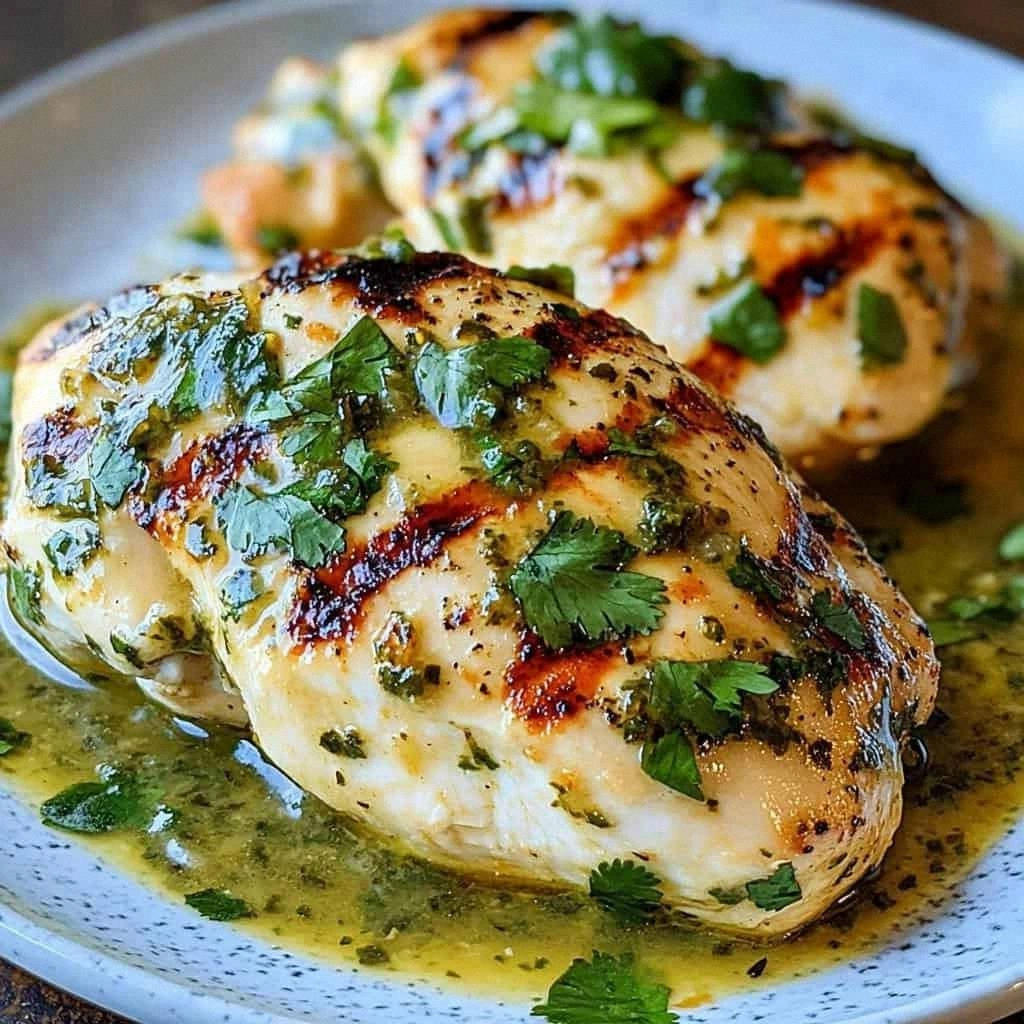
I still remember the first time I attempted to make salsa verde chicken. It was a Tuesday night, I was starving, and I figured I'd just dump some jarred green salsa over chicken breasts and call it dinner. The result? A watery, bland mess that tasted like disappointment with a side of regret. Fast forward through three years of obsessive tinkering, late-night spice experiments, and one memorable incident involving a smoke alarm and a very angry neighbor, and I've cracked the code on what I genuinely believe is the most addictive chicken dish you'll ever make at home.
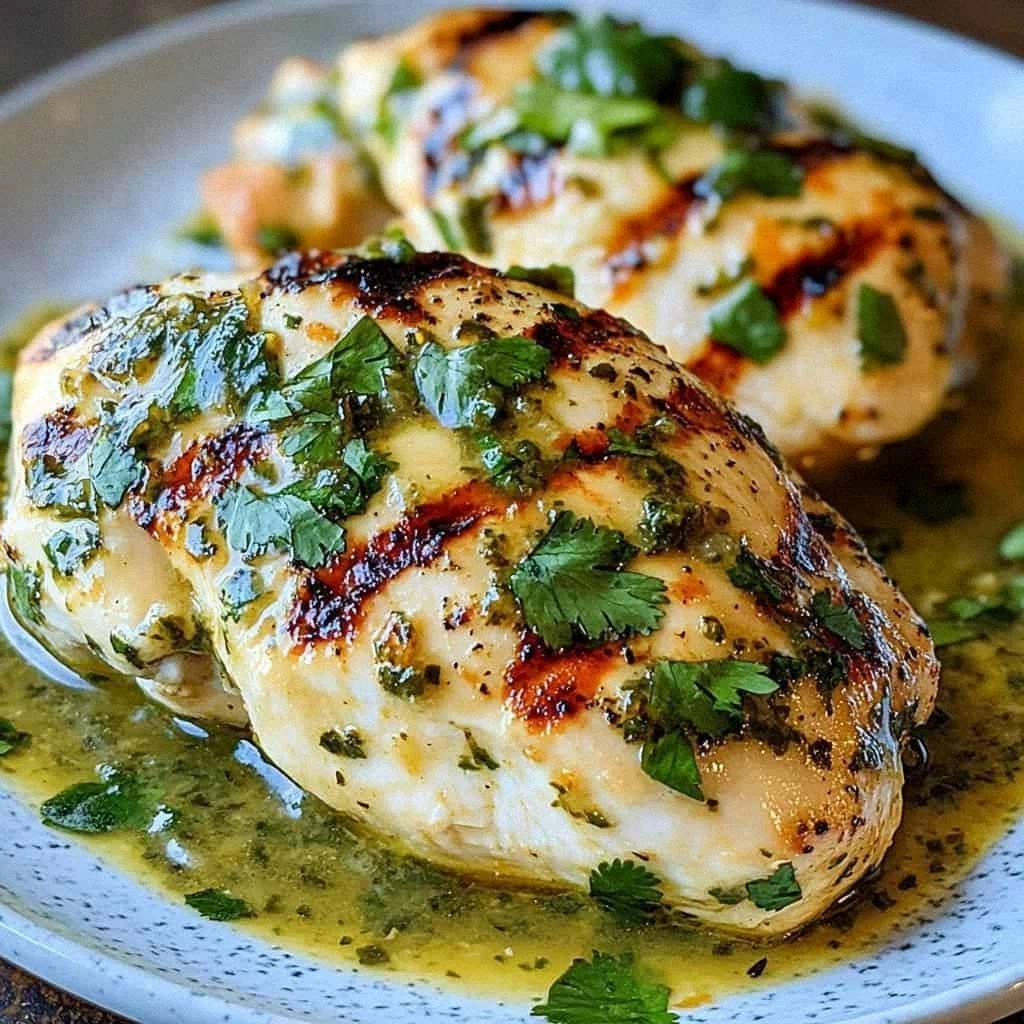
Picture this: tender chicken breasts that stay miraculously juicy beneath a blanket of vibrant, fire-roasted salsa verde that clings to every crevice like it was born to be there. Then comes the pepper jack cheese — not just any pepper jack, but the good stuff that melts into creamy ribbons with just enough kick to make your taste buds sit up and pay attention. The first bite hits you with bright, tangy tomatillo brightness, then the gentle heat creeps in, and finally that rich, melty cheese ties everything together like the perfect ending to a great story.
What makes this version different? We're not just pouring salsa from a jar and hoping for the best. We're building layers of flavor that would make a Mexican abuela nod approvingly. We're charring tomatillos until they blister and pop, we're blooming spices until your kitchen smells like a cantina in the best possible way, and we're using a technique that ensures every bite packs maximum flavor. I dare you to taste this and not go back for seconds — actually, I dare you to not eat half the pan straight from the skillet while standing at your stove.
Let me walk you through every single step — by the end, you'll wonder how you ever made it any other way.
What Makes This Version Stand Out
- Flavor Bomb: Most recipes rely on jarred salsa, which tastes like watered-down tomatoes with a bad attitude. We roast fresh tomatillos until they're blackened in spots, concentrating their natural sweetness and adding a smoky depth that makes supermarket salsa taste like sad green water in comparison.
- Juicy Chicken Guarantee: I've tested every method under the sun, and the secret lies in a quick sear followed by a gentle simmer in the salsa. The result? Chicken so tender you could cut it with a harsh word, never dry or stringy like those sad baked chicken breasts your aunt brings to potlucks.
- Cheese Strategy: Instead of just dumping cheese on top and hoping it melts, we layer strategically. Half gets stirred into the hot salsa verde for maximum creaminess, the rest gets sprinkled on top for those Instagram-worthy cheese pulls that stretch for days.
- Spice Control: By using fresh serrano peppers instead of jalapeños, you get bright, clean heat that builds slowly rather than punching you in the face. Plus, you control the fire level by adjusting how many seeds you leave in.
- One-Pan Wonder: Everything happens in a single skillet, which means fewer dishes and more flavor since the chicken fond gets deglazed by the salsa verde. Your future self doing dishes will thank your past cooking self.
- Leftover Magic: This tastes even better the next day, and I've included five different ways to transform leftovers into completely new meals that'll make you excited about meal prep instead of dreading it.
- Make-Ahead Friendly: The salsa verde can be made up to five days ahead, and the whole dish comes together in under 30 minutes on a weeknight. Perfect for when you want to impress dinner guests without breaking a sweat.
Alright, let's break down exactly what goes into this masterpiece...
Inside the Ingredient List
The Flavor Foundation
Tomatillos are the backbone here, and if you've never cooked with them before, you're in for a treat. These papery-husked beauties aren't just green tomatoes — they're completely different fruits with a bright, citrusy flavor that makes regular tomatoes taste like watered-down imposters. When shopping, look for firm tomatillos that fill their husks completely, with no sticky black spots. If they're smaller than a golf ball, they might be underripe and aggressively tart, while massive ones can be mealy. Aim for ping-pong ball size, and always remove the husks right before cooking since they protect the fruit.
The serrano peppers bring the heat, but here's where most recipes mess up — they treat all chiles the same. Serranos have this incredible grassy, fresh flavor that gets lost if you cook them too long. We'll add them at the very end of the salsa making, just enough to take the raw edge off while preserving that bright, almost bell-pepper sweetness. Start with two peppers if you're spice-shy, but honestly, three gives you that perfect gentle burn that makes you reach for another bite.
The Aroma Squad
Garlic and onion might seem like background players, but they create the aromatic foundation that makes everything else sing. The key is rough-chopping the onion into large chunks — we're talking 1-inch pieces here. Any smaller and they'll burn before the tomatillos get properly charred. Same with the garlic: leave the cloves whole and unpeeled. The skins protect them from burning while they roast, and once they soften, you can squeeze out the mellow, sweet garlic like toothpaste from a tube.
The Spice Whisperers
Cumin, chili powder, and garlic powder might seem redundant when we're using fresh aromatics, but trust me on this. The dried spices create a flavor bridge between the chicken and the fresh salsa, coating the meat with warm, toasty notes that penetrate deep into the meat. It's like the difference between wearing cologne and just hoping you smell good — these spices ensure every bite is seasoned, not just the surface.
The Melty Marvel
Pepper jack cheese gets a bad rap from cheese snobs, but hear me out. The good stuff (look for brands that actually list jalapeños in the ingredients, not just "peppers") melts into this creamy, slightly spicy blanket that ties everything together. Don't you dare use pre-shredded cheese — that cellulose coating prevents proper melting and you'll end up with a greasy, separated mess. Buy a block and shred it yourself. Your forearms get a workout and your taste buds get rewarded with proper cheese pulls that stretch for days.
Everything's prepped? Good. Let's get into the real action...
The Method — Step by Step
- Char Your Vegetables: Heat a heavy skillet (cast iron if you've got it) over medium-high heat until a drop of water sizzles away instantly. Add the tomatillos, onion chunks, and garlic cloves in a single layer. Now here's the crucial part — don't touch them for at least 4 minutes. I know it's tempting to fuss with them, but those blackened spots are flavor gold. When the bottoms are blistered and black in spots, flip everything and repeat. Your kitchen should start smelling like a Mexican street market in the best possible way. The tomatillos are done when they're soft and collapsing slightly, about 8-10 minutes total.
- Build Your Salsa Base: Transfer the charred vegetables to a blender, but here's where it gets interesting — add the cilantro, lime juice, and water, but hold back on the salt. Blend until smooth, then taste. The mixture should be bright and tangy with a deep smoky undertone. Now add salt gradually, blending between additions. Tomatillos vary wildly in their natural salt content, so this step prevents over-seasoning. The salsa should coat the back of a spoon but still be pourable.
- Season Your Chicken Right: Pat those chicken breasts dry with paper towels — moisture is the enemy of a good sear. Mix the chili powder, cumin, garlic powder, onion powder, salt, and pepper in a small bowl. This isn't just random seasoning; each spice plays a specific role. The chili powder adds base warmth, cumin brings earthiness, garlic powder hits those savory notes, and onion powder adds subtle sweetness. Rub this mixture all over the chicken, really massaging it in. This isn't a gentle pat-pat situation — get in there like you're giving the chicken a spice massage.
- The Perfect Sear: Heat olive oil in your skillet over medium-high heat until it shimmers like a mirage. Lay the chicken breasts down and don't move them for 5 minutes. I don't care if your pan looks like it's burning — those brown bits are pure flavor. When the chicken releases easily from the pan and the underside is golden-brown, flip and sear the other side for 4 minutes. The chicken won't be cooked through yet, and that's exactly what we want.
- Create the Magic Sauce: Pour the salsa verde into the pan, scraping up all those gorgeous brown bits with a wooden spoon. Bring it to a gentle simmer, then nestle the chicken back in. The sauce should come about halfway up the chicken — if it doesn't, add a splash of water. Cover and reduce heat to low. Now here's the game-changer: instead of the usual 20-minute simmer that leaves chicken dry, we're going low and slow for just 12-15 minutes. This keeps the chicken juicy while infusing it with salsa flavor.
- The Cheese Moment: Uncover and sprinkle half the pepper jack directly into the sauce, stirring until it melts into creamy perfection. This isn't just about adding cheese — it's about creating a sauce that clings to the chicken like it was custom-made. Arrange the chicken on top, then blanket with the remaining cheese. Cover for 2 minutes until melted and bubbly, or if you're feeling fancy, slide it under the broiler for 1 minute for those golden-brown spots.
- Final Touches: Let it rest for 5 minutes — I know you're hungry but this step is non-negotiable. The sauce thickens slightly, the cheese sets just enough to stay put, and the flavors have a chance to mingle. Garnish with fresh cilantro, a squeeze of lime, and if you're feeling extra, a dollop of sour cream. The contrast between hot, melty chicken and cool, tangy cream is what food dreams are made of.
That's it — you did it. But hold on, I've got a few more tricks that'll take this to another level...
Insider Tricks for Flawless Results
The Temperature Rule Nobody Follows
Here's the thing about chicken breast — it dries out faster than a conversation about cryptocurrency. The sweet spot is 165°F internal temperature, but most people overcook it because they don't account for carryover cooking. Pull your chicken at 160°F and let it rest; it'll climb those final 5 degrees while it sits. If you don't have a thermometer (seriously, get one), the chicken should feel firm but still have a little give when you press it. Think of a well-inflated balloon versus a rock.
Why Your Nose Knows Best
Your salsa verde is done when it smells like summer in Oaxaca — bright and citrusy with deep, smoky undertones. If it still smells raw or grassy, keep cooking. Conversely, if it smells flat or overly cooked, you've gone too far and need to brighten it with more lime juice and fresh cilantro. Trust your nose over any timer; it's your most reliable kitchen tool after a good sharp knife.
The 5-Minute Rest That Changes Everything
I know you're tempted to dig in immediately, but those five minutes of rest time aren't just chef nonsense. The proteins relax, redistributing juices throughout the meat instead of flooding your cutting board when you slice. Plus, the sauce thickens slightly, clinging better to the chicken. Use this time to warm tortillas, slice avocados, or pour yourself a well-deserved margarita. Future you, happily eating perfectly juicy chicken, will thank present you for the patience.
The Cheese Melting Secret
Room temperature cheese melts infinitely better than cold cheese. Take your pepper jack out of the fridge when you start cooking. Also, shred it yourself — pre-shredded cheese is coated with cellulose that prevents proper melting and gives you that greasy, separated mess. If your cheese isn't melting smoothly, add a splash of the hot salsa verde and stir — the starch in the sauce acts like a safety net, preventing the cheese proteins from seizing up.
Creative Twists and Variations
This recipe is a playground. Here are some of my favorite ways to switch things up:
The Breakfast Champion
Shred leftover chicken and fold it into scrambled eggs with extra cheese for breakfast tacos. The salsa verde becomes a smoky base for huevos rancheros, and suddenly Monday morning feels like a weekend in Mexico City. Add a side of refried beans and you've got a breakfast that'll fuel you through the most brutal meetings.
The Soup Transformation
Transform leftovers into a killer soup by shredding the chicken and simmering it in chicken broth with diced potatoes and corn. The melted cheese in the sauce creates this luxurious texture that makes the soup taste like it's been simmering for hours. Top with crispy tortilla strips and suddenly yesterday's dinner becomes today's lunch box envy.
The Vegetarian Swap
Replace chicken with thick slabs of cauliflower steak that get the same spice rub and sear treatment. The nooks and crannies of the cauliflower hold onto the salsa verde like edible treasure chests. Even devoted carnivores have asked for seconds of this version — it's that good.
The Seafood Spin
Use firm white fish like halibut or cod, but reduce the cooking time to 6-8 minutes total. The delicate fish practically melts into the salsa verde, creating these gorgeous flakes that taste like they cost thirty dollars at a beachside restaurant. Just make sure your fish is super fresh — this isn't the time for that salmon that's been lurking in your freezer since last summer.
The Spicy Challenge
Feeling brave? Swap the serranos for habaneros, but add a teaspoon of honey to the salsa verde. The sweetness balances the habanero's fruity heat, creating this addictive sweet-spicy thing that has you reaching for water while simultaneously going back for more. Fair warning: this version has ended friendships at game nights.
The Mild-Mannered Version
For the spice-averse (I see you, Grandma), replace serranos with poblano peppers and add a handful of baby spinach to the blender. The spinach adds a vegetal sweetness that tames any remaining heat while boosting the nutrition. Kids who won't touch vegetables have devoured this version, none the wiser about the hidden greens.
Storing and Bringing It Back to Life
Fridge Storage
Store leftovers in an airtight container for up to 4 days, but here's the key: keep the chicken and sauce together. The acid in the salsa verde acts like a natural preservative, plus it keeps the chicken moist. Refrigerate within 2 hours of cooking — don't let it sit out while you binge-watch one more episode. If you made a double batch, portion it into smaller containers so you're not repeatedly heating and cooling the whole batch.
Freezer Friendly
This freezes beautifully for up to 3 months, but skip the cheese if you're planning to freeze. Dairy can get grainy when frozen and reheated. Instead, freeze the chicken and salsa verde together, then add fresh cheese when reheating. Wrap individual portions in plastic wrap, then foil, and label with the date. Future you will appreciate knowing what's lurking in the freezer depths.
Best Reheating Method
Microwave works in a pinch, but the stovetop method preserves the texture better. Add a splash of water or chicken broth to a skillet, add the chicken and sauce, cover, and heat over medium-low until warmed through. The gentle steam prevents the chicken from drying out. If using frozen portions, thaw overnight in the fridge first — trust me, trying to speed-thaw in the microwave results in rubbery chicken that bounces off plates.