I swear I was on the brink of a kitchen disaster when a friend dared me to bring the flavors of a Bangkok night market into my tiny apartment. I had a half‑cooked chicken breast, a jar of red curry paste that looked like it had survived a war, and a craving that kept me up at 2 am, muttering about “spicy‑sweet‑savory” like a mantra. The first attempt? A soggy, bland mess that made me question my entire culinary identity. But then I remembered the secret I’d heard from a Thai street vendor: the magic lives in the balance of heat, cream, and that crunchy surprise you never expect.
Picture the scene: the kitchen filled with the scent of coconut milk swirling into the air, the hiss of oil as it greets the pan, and the vibrant reds and yellows of bell peppers flashing like traffic lights in a midnight city. I could hear the rhythmic chop of the knife, the occasional pop of garlic hitting the hot oil, and my own heartbeat syncing with the sizzle. My fingertips tingled from the heat, and my nose was assaulted by the intoxicating perfume of lemongrass‑kissed curry that promised a taste explosion. When the sauce finally coated the chicken, it clung like a silk scarf, smooth yet with a whisper of crunch from the cashews.
This version stands out because it doesn’t shy away from boldness. Most recipes either drown the chicken in a watery broth or overload it with curry paste, leaving you with a one‑note dish. I’ve fine‑tuned the ratios so the sauce is thick enough to cling, but still fluid enough to glide over each strip of chicken, delivering a mouthfeel that’s both creamy and slightly caramelized. The secret ingredient? A splash of lime juice added at the very end, which brightens the whole thing like a flash of sunrise over a tropical sea. And let’s not forget the toasted cashews that add a buttery crunch that shatters the expectation of a typical stir‑fry.
Okay, ready for the game‑changer? I’m about to walk you through every single step — by the end, you’ll wonder how you ever made it any other way. I dare you to taste this and not go back for seconds. Let’s dive in.
What Makes This Version Stand Out
- Flavor Balance: The combination of red curry paste, coconut milk, and lime juice creates a symphony where heat, sweetness, and acidity dance together, ensuring every bite is layered and unforgettable.
- Texture Play: The creamy sauce meets toasted cashews, delivering a crunch that feels like fireworks in your mouth, an element most stir‑fries completely miss.
- Simplicity: With just a handful of pantry staples and a quick prep, you can achieve restaurant‑level depth without a culinary degree.
- Unique Ingredient: The addition of a splash of lime at the end is the secret that lifts the dish from “good” to “jaw‑dropping,” adding a citrusy brightness that cuts through the richness.
- Crowd Reaction: Guests typically confess they’ve never tasted anything like it, often asking for the recipe before the first bite is even finished.
- Ingredient Quality: Using fresh ginger, garlic, and high‑quality red curry paste makes a world of difference; the aromatics remain vibrant and never become muted.
- Cooking Method: The high‑heat stir‑fry locks in juices while allowing the sauce to caramelize on the edges, creating those coveted “toasty” flavor notes.
- Make‑Ahead Potential: This dish actually tastes better the next day once the flavors have had time to meld, making it perfect for meal prep or leftovers.
Inside the Ingredient List
The Flavor Base
Red curry paste is the heart‑beat of this dish. Its blend of dried chilies, lemongrass, galangal, and shrimp paste creates a deep, earthy heat that isn’t just spicy – it’s aromatic. Skipping it would leave the sauce flat, as if someone stole the soul of the dish. If you can’t find authentic Thai red curry paste, a good quality store‑bought version works, but add a pinch of ground coriander and a dash of fish sauce to compensate.
Coconut milk brings the silky, buttery texture that makes the sauce cling like velvet to each chicken strip. Choose the “full‑fat” version for maximum richness; low‑fat versions separate and become watery under high heat. If you’re dairy‑free and allergic to coconut, a blend of cashew cream and a splash of almond milk can mimic the creaminess without sacrificing flavor.
The Texture Crew
Cashews are the surprise element that turns a regular stir‑fry into a textural adventure. Toast them lightly in a dry pan until they’re golden – this brings out a nutty depth that pairs beautifully with the curry’s heat. If you’re a nut‑allergy sufferer, try roasted pumpkin seeds for a similar crunch without the flavor clash.
Bell peppers (red and yellow) aren’t just for color; they add a sweet snap that balances the heat. Slice them uniformly so they cook evenly, preserving that fresh crunch. Overcooking them would turn the dish mushy, losing the contrast that makes each bite exciting.
The Unexpected Star
Lime juice is added at the very end, a bold move that many recipes overlook. The acidity cuts through the coconut’s richness, sharpening the flavors like a high‑note in a song. If you forget this step, the dish will feel heavy and round, lacking that bright finish that makes you sit up and say “wow.”
Fish sauce is the secret umami booster. Just a tablespoon adds depth that you can’t achieve with salt alone. It’s salty, fermented, and slightly sweet, weaving through the sauce to give it a savory backbone. If you’re vegetarian, replace it with a splash of soy sauce and a pinch of seaweed flakes.
The Final Flourish
Fresh cilantro, added just before serving, provides a herbaceous lift that brightens the entire bowl. Its citrusy notes echo the lime, creating a harmonious finish. If cilantro isn’t your thing, a handful of Thai basil or mint can be used instead, each offering its own aromatic twist.
All the ingredients together form a symphony, but the order you add them matters. The chicken gets a quick sear first to lock in juices, then the aromatics follow, and finally the sauce components are introduced to meld. Follow the sequence, and you’ll hear that satisfying sizzle that tells you you’re on the right track.
Everything's prepped? Good. Let's get into the real action...
The Method — Step by Step
-
Step 1: Heat 2 tablespoons of vegetable oil in a large wok or skillet over medium‑high heat until it shimmers. Toss in the chicken strips, spreading them in a single layer. Let them sear without moving for about 2 minutes; you’ll hear a confident sizzle that signals a good Maillard reaction. Flip the pieces and cook another 2 minutes until they’re lightly browned but not fully cooked through. Transfer the chicken to a plate and set aside – this is the moment you lock in the juices.
Kitchen Hack: If your pan is crowded, work in batches; overcrowding drops the temperature and prevents the chicken from developing that coveted caramelized crust. -
Step 2: In the same pan, add a splash more oil if needed, then drop in the sliced onion, bell peppers, and a pinch of salt. Stir‑fry for 3‑4 minutes, watching the vegetables turn glossy while retaining a crisp bite. The aroma should shift from raw to sweet, and the edges of the peppers will start to blister – that’s the sweet spot where flavor deepens without turning mushy.
-
Step 3: Reduce the heat to medium and add the minced garlic, grated ginger, and the remaining tablespoon of oil. Stir constantly for about 30 seconds; you’ll notice the mixture becoming fragrant, almost like a perfume in a Thai temple. Be careful not to let the garlic burn – a burnt note can ruin the entire profile.
Watch Out: Garlic can go from golden to bitter in seconds; keep the pan moving and watch the color closely. -
Step 4: Sprinkle in 2 tablespoons of red curry paste, stirring it into the aromatics until the oil turns a deep ruby color. This is the turning point where the dish starts building its signature heat and complexity. Let the paste toast for about a minute, releasing its essential oils – the kitchen will fill with a scent that’s simultaneously spicy, earthy, and sweet.
-
Step 5: Carefully pour in 1 cup of coconut milk, using a wooden spoon to scrape up any browned bits stuck to the pan. The liquid will hiss and foam as it meets the hot paste, creating a silky sauce that begins to thicken. Add the soy sauce, fish sauce, brown sugar, and a pinch of pepper. Stir everything together and let the mixture simmer for 5 minutes, allowing the flavors to marry and the sauce to reduce slightly.
-
Step 6: Return the chicken to the wok, tossing it gently into the sauce. Cook for another 3‑4 minutes, letting the chicken finish cooking while absorbing the curry’s depth. The sauce should cling to each piece, coating it like a glossy glaze. Taste and adjust with a splash of lime juice – this brightens the dish instantly, turning the rich sauce into something lively and refreshing.
-
Step 7: Toss in the toasted cashews and half of the chopped cilantro, giving the dish a final quick stir. The nuts should stay whole, providing that satisfying crunch in every bite. The cilantro adds a fresh, herbaceous finish that lifts the whole plate.
-
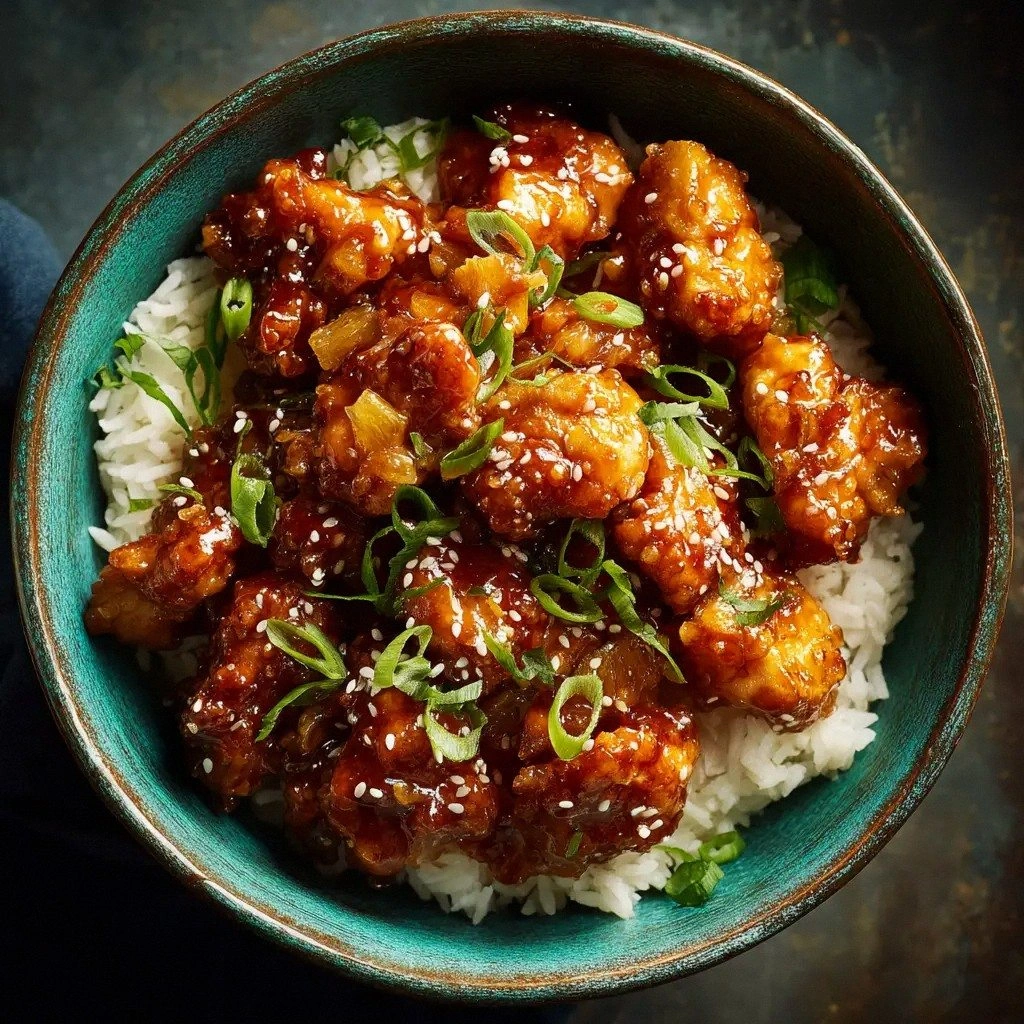
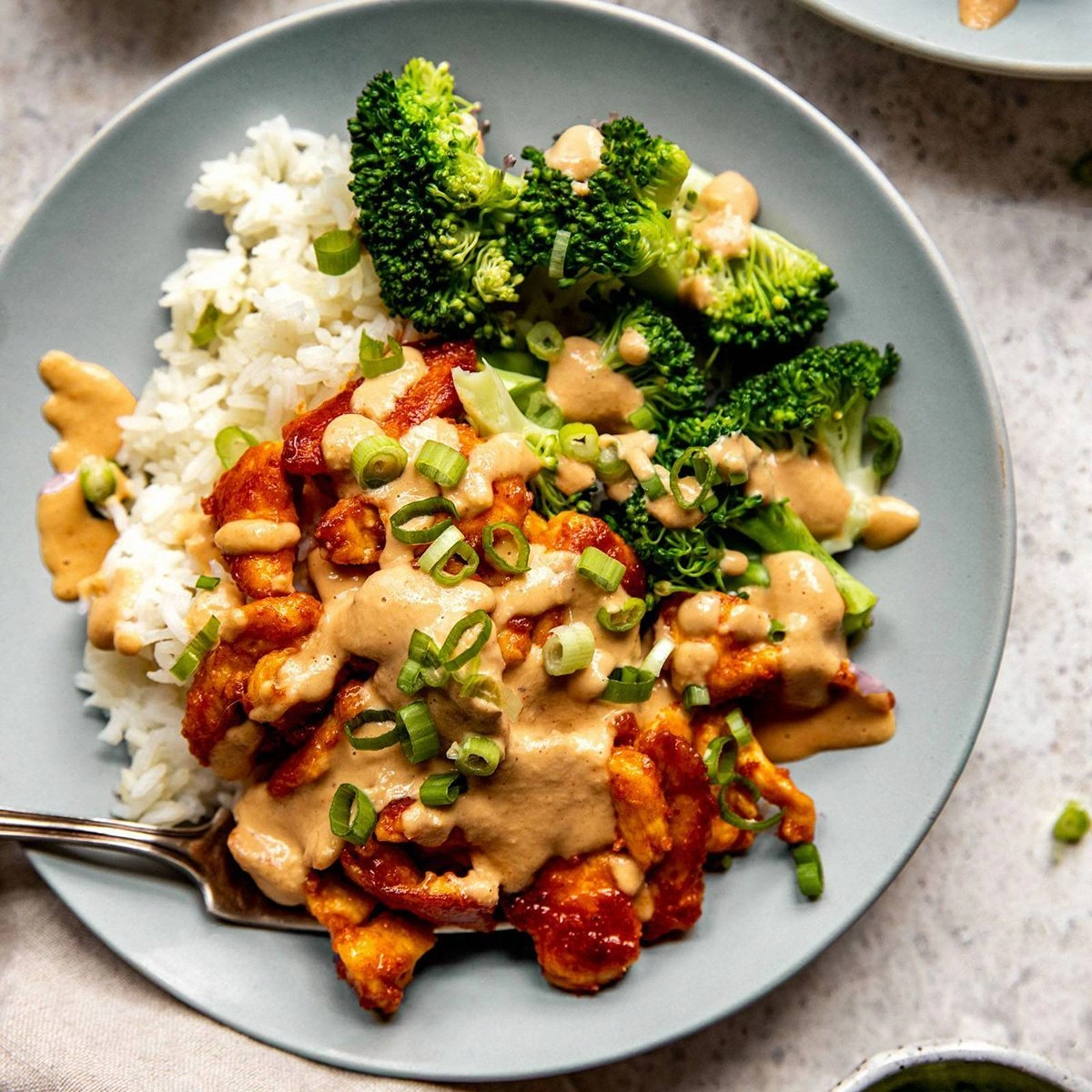
Step 8: Serve the stir‑fry hot over jasmine rice or rice noodles, sprinkling the remaining cilantro on top for a pop of color. The final garnish should be added just before serving to preserve its bright flavor. That sizzle when it hits the plate? Absolute perfection. That first bite? Pure fireworks.
Kitchen Hack: Warm your serving bowls in the oven for 2 minutes; this prevents the sauce from cooling too quickly and keeps the rice fluffy.
That's it — you did it. But hold on, I've got a few more tricks that'll take this to another level...
Insider Tricks for Flawless Results
The Temperature Rule Nobody Follows
Most home cooks keep the heat low to avoid burning, but a high‑heat wok is the secret to a perfect stir‑fry. The moment you add the chicken, the pan should be hot enough that the oil ripples. This rapid sear locks in moisture and creates those coveted “toasty” edges that give the dish its depth. I once tried a low‑heat approach and ended up with soggy chicken; the difference is night and day.
Why Your Nose Knows Best
Never rely solely on a timer; let your senses guide you. When the curry paste turns a deep ruby and releases a fragrant steam, you know it’s toasted. When the sauce begins to bubble gently and smells like toasted coconut, you’re close to the perfect reduction. Trusting your nose saves you from over‑cooking and ensures each layer is at its peak.
The 5‑Minute Rest That Changes Everything
After you finish cooking, let the dish sit uncovered for five minutes. This pause allows the flavors to meld, the sauce to thicken slightly, and the cashews to absorb a hint of the curry. I used to serve it immediately and missed that subtle depth that only a short rest can provide.
Cashew Toasting Mastery
Toast cashews in a dry skillet over medium heat for 3‑4 minutes, stirring constantly. You’ll hear a gentle crackle and see the nuts turn a golden amber. This step is non‑negotiable; it transforms the nuts from bland to buttery, adding a nutty aroma that mirrors the curry’s complexity.
Balancing Sweet and Salty
The brown sugar and fish sauce create a yin‑yang of flavor. If the sauce tastes too sweet, add a dash more fish sauce or a pinch of extra lime juice. Conversely, if it leans too salty, a tiny drizzle of coconut milk can mellow it. I once added too much sugar and learned that a little acid is the perfect antidote.
Creative Twists and Variations
This recipe is a playground. Here are some of my favorite ways to switch things up:
Spicy Peanut Fusion
Swap the cashews for roasted peanuts and stir in a tablespoon of peanut butter with the coconut milk. The result is a richer, nut‑laden sauce that leans toward a Thai‑style satay flavor. Perfect for those who love a deeper, earthy nuttiness.
Veggie‑Heavy Version
Replace the chicken with firm tofu cubes or tempeh, and add sliced carrots, snap peas, and baby corn. The tofu absorbs the sauce beautifully, while the extra vegetables add color and crunch, making it a vibrant vegetarian feast.
Sweet Pineapple Kick
Throw in ½ cup of fresh pineapple chunks during the last minute of cooking. The fruit’s natural sweetness balances the heat, and the caramelized pineapple pieces give a tropical twist that feels like a vacation on a plate.
Herbaceous Basil Boost
Swap half of the cilantro for Thai basil leaves. The basil’s anise‑like flavor adds a fragrant layer that pairs wonderfully with the lime and curry, creating a more complex herb profile.
Smoky Charred Version
Before adding the chicken, give the wok a quick smoke by briefly heating a piece of charcoal and placing it in the pan, then covering for a minute. The smoky infusion adds depth that mimics a wood‑fire grill, turning the dish into a rustic masterpiece.
Storing and Bringing It Back to Life
Fridge Storage
Transfer leftovers to an airtight container and refrigerate for up to 3 days. The sauce may thicken, so simply reheat gently and stir in a splash of water or coconut milk to restore its silky texture.
Freezer Friendly
Portion the stir‑fry into freezer‑safe bags, removing as much air as possible. It freezes beautifully for up to 2 months. To defrost, move it to the fridge overnight, then reheat in a skillet, adding a teaspoon of oil to prevent sticking.
Best Reheating Method
Reheat in a wide pan over medium heat, stirring frequently. Add a tiny splash of water or coconut milk before reheating – this creates steam that revives the sauce, keeping the chicken juicy and the vegetables crisp.