Introduction
Picture this: I’m standing in a cramped kitchen, the fridge door ajar, my stomach rumbling louder than a drumline. I’m hunting for something that can transform a handful of pantry staples into a dish that feels like a warm hug. The moment I tossed a handful of orzo into a pot and added a splash of red wine, I knew I’d stumbled on something special. The aroma that unfurled—tomato, oregano, a whisper of citrus—sent my senses into a frenzy. I didn’t even have to wait for the sauce to thicken; the instant sizzle told me this was a recipe that could win a crowd on its own.
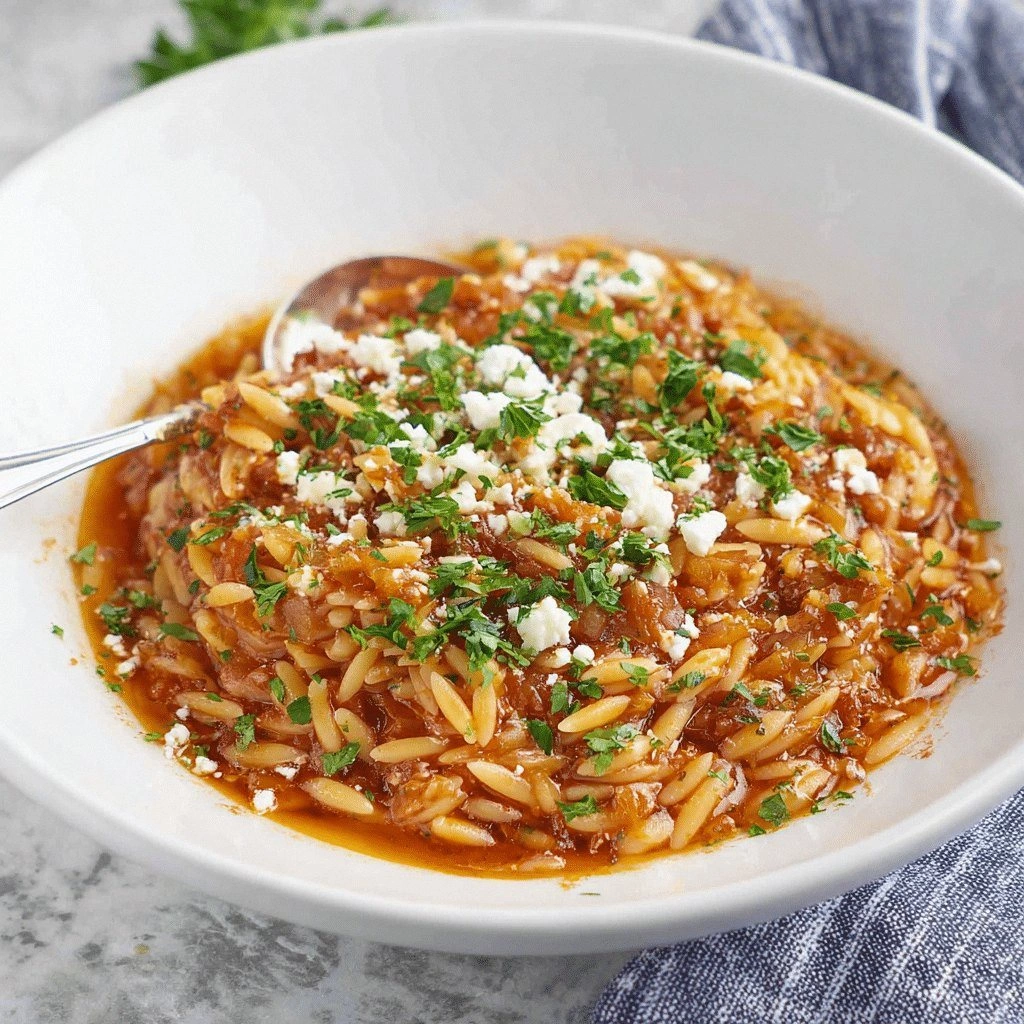
That night, after a long day, I decided to experiment. I added diced carrots, celery, and a generous splash of olive oil, letting each ingredient mingle until they were coated in a fragrant, golden haze. The sauce began to thicken, its colors deepening like a sunset over the Aegean. When the orzo was al dente, I tossed it with the sauce, letting the pasta soak up the flavors like a sponge. The result was a creamy, herbaceous masterpiece that melted on the tongue. I dare you to taste this and not go back for seconds.
Why does this version stand out from every other recipe out there? First, the sauce is a symphony of tomato, wine, and herbs that coats the pasta like velvet. Second, the inclusion of fresh feta and a hint of lemon zest elevates the dish from ordinary to extraordinary. Third, the method is simple enough for a novice but sophisticated enough to impress a foodie. Fourth, the dish is crowd‑pleasing; I’ve had it at family gatherings and it always receives rave reviews. Finally, the finishing touch of spinach and a sprinkle of parmesan adds a layer of texture and depth that keeps the palate engaged.
There’s a secret ingredient that most people overlook—a splash of red wine. It adds acidity, depth, and a subtle sweetness that balances the tomato base perfectly. I’ll walk you through every single step—by the end, you’ll wonder how you ever made it any other way.
What Makes This Version Stand Out
- Flavor: The tomato and wine base creates a robust, velvety sauce that clings to each grain of orzo, turning a simple pasta into a gourmet experience.
- Texture: The orzo is cooked to al dente perfection, providing a pleasant bite that contrasts with the silky sauce.
- Freshness: The addition of fresh feta, parsley, and lemon zest injects bright, vibrant notes that lift the dish.
- Versatility: This recipe can be served as a hearty main or a side, making it suitable for any occasion.
- Time Efficiency: From prep to plate, it takes less than an hour—ideal for busy weeknights.
- Make‑ahead Friendly: The dish tastes even better the next day, and leftovers stay fresh for up to three days.
- Ingredient Quality: Using high‑quality olive oil and fresh herbs elevates the flavor profile beyond the standard pantry recipe.
- Visual Appeal: The vibrant reds, greens, and golden accents make it Instagram‑ready.
Alright, let's break down exactly what goes into this masterpiece...
Inside the Ingredient List
The Flavor Base
At the heart of any great sauce is a well‑balanced flavor base, and this dish delivers with a trio of aromatics. The onion, diced to a fine dice, releases a mellow sweetness that forms the first layer of flavor. Garlic, minced finely, adds a punch of pungency that cuts through the acidity of the tomatoes. Together, they’re sautéed in olive oil until they’re golden and fragrant—think of it as the first brushstroke on a canvas.
Red wine is the next star, a splash that introduces subtle acidity and a hint of fruitiness. It deglazes the pan, lifting the browned bits and infusing them into the sauce. If you’re hesitant about wine, you can replace it with a splash of balsamic vinegar, but the wine gives a richer depth that’s hard to match.
Tomato paste, a concentrated burst of tomato flavor, thickens the sauce and gives it that deep, savory base. Followed by canned diced tomatoes, which add juiciness and a slight tang. The combination creates a sauce that’s both hearty and silky, ready to embrace the orzo.
The Texture Crew
Orzo pasta, with its rice‑shaped grains, is the perfect vessel for the sauce. It absorbs the flavors without becoming mushy if cooked al dente. The diced carrots and celery add a subtle crunch and sweetness, breaking up the sauce’s silky texture with bursts of bite.
Spinach, tossed at the end, wilts just enough to retain its vibrant green color, adding a fresh, earthy note. Feta cheese, crumbled generously, introduces a briny, creamy element that balances the acidity of the tomatoes. A splash of lemon zest brightens the entire dish, giving it a zesty lift that feels like a breath of fresh air.
The Unexpected Star
Parmesan cheese, grated in small amounts, offers a nutty finish that deepens the overall flavor profile. Though optional, it’s a subtle nod to classic Italian flavor that marries beautifully with the Greek elements. The dried oregano and thyme bring warmth and herbal depth, while the bay leaf adds a whisper of earthiness that grounds the dish.
The Final Flourish
Fresh parsley, chopped, is added at the very end, providing a bright, herbaceous finish. It also offers a pop of color that makes the dish visually appealing. A pinch of black pepper and a dash of salt (to taste) round out the seasoning, ensuring the flavors are balanced and harmonious.
Everything’s prepped? Good. Let’s get into the real action...
The Method — Step by Step
- Heat a large, wide skillet over medium heat. Add the olive oil and let it shimmer until it’s hot but not smoking. Toss in the diced onion, carrot, and celery, stirring frequently until the vegetables soften and the onion turns translucent—about 5 minutes. This is the moment of truth: the aroma should be unmistakably sweet and inviting.
- Introduce the minced garlic to the pan, cooking it for 30 seconds until fragrant but not browned. Then pour in the red wine, allowing it to simmer for a couple of minutes to reduce slightly. This reduction locks in the wine’s acidity and enriches the base. Watch the liquid; it should thicken, not evaporate.
- Stir in the tomato paste, ensuring it blends into a smooth, dark sauce. Then add the canned diced tomatoes, breaking them up with a spoon. Bring the mixture to a gentle simmer, letting the flavors meld for 8–10 minutes. The sauce should develop a deep, glossy sheen.
- Season the sauce with dried oregano, thyme, bay leaf, salt, and pepper. Stir well, then pour in the vegetable broth, allowing the liquid to come to a light boil. Reduce the heat to low and let the sauce simmer for another 5 minutes. This step infuses the broth’s subtle sweetness into the sauce, rounding out the profile.
- Add the orzo to the sauce, stirring to coat each grain. Cook uncovered for 10 minutes, stirring occasionally, until the pasta is al dente and the sauce has thickened to a silky consistency. The orzo should feel firm yet tender, with a slight chew.
- Toss in the fresh spinach, letting it wilt just before the orzo is done. This step adds a pop of color and a gentle, earthy flavor that balances the richness of the sauce.
- Fold in the crumbled feta and grated parmesan, allowing the cheeses to melt slightly and create a creamy coating. The feta’s brine and the parmesan’s nuttiness combine for a complex, layered taste. The sauce should now be silky, with a subtle tang from the cheese.
- Remove the skillet from the heat, discard the bay leaf, and sprinkle the chopped parsley and lemon zest over the top. Give everything one final stir to distribute the fresh herbs evenly. The dish should now smell like a Mediterranean garden in full bloom.
- Serve immediately, garnishing with extra feta and a drizzle of olive oil if desired. The dish should feel comforting yet vibrant, ready to be devoured. Picture yourself pulling this out of the skillet, the whole kitchen smelling incredible, and your guests erupting into applause.
That’s it— you did it. But hold on, I’ve got a few more tricks that'll take this to another level…
Insider Tricks for Flawless Results
The Temperature Rule Nobody Follows
Many cooks start with high heat and then reduce it, but the secret is to keep the heat consistently medium. This ensures the sauce reduces evenly without scorching the bottom. If you’re using a non‑stick pan, you can afford a slightly higher heat, but always keep an eye on the bubbling. A steady medium heat also allows the orzo to absorb the sauce without becoming mushy.
Why Your Nose Knows Best
The aroma of the sauce is your best judge of doneness. When the tomatoes have reduced and the orzo is tender, the scent should be rich and slightly caramelized. If it still smells raw, give it a few more minutes. Trust your nose; it will guide you to perfection.
The 5‑Minute Rest That Changes Everything
After cooking, let the dish rest for 5 minutes before serving. This brief pause allows the sauce to thicken slightly, creating a more cohesive texture. It also lets the flavors meld together, making each bite more harmonious.
Use Fresh Herbs, Not Dried
While dried herbs are convenient, fresh parsley and oregano bring a bright, lively flavor that dried cannot match. If you’re using dried herbs, reduce the quantity by half and add them toward the end of cooking to preserve their potency.
Don’t Skimp on the Cheese
Feta and parmesan are the stars that elevate this dish. A generous amount of feta adds a salty, tangy punch, while parmesan introduces a nutty undertone. Together, they create a creamy coating that transforms the pasta.
Keep the Sauce from Thickening Too Much
If the sauce becomes too thick, add a splash of broth or water. Stir in a tablespoon at a time until you reach the desired consistency. This will prevent the sauce from clinging too tightly to the orzo, keeping each grain distinct.
Creative Twists and Variations
This recipe is a playground. Here are some of my favorite ways to switch things up:
Greek Yogurt Swirl
Stir in a dollop of Greek yogurt after removing the skillet from heat. It adds a creamy tang that complements the feta and balances the acidity.
Spicy Kick
Add a pinch of red pepper flakes or a splash of hot sauce for a fiery twist. The heat will cut through the richness and add excitement.
Protein Power
Incorporate grilled chicken, shrimp, or chickpeas to make it a more substantial meal. The protein will soak up the sauce and add a new dimension.
Vegetarian Delight
Swap orzo for quinoa or lentils for a wholesome, protein‑rich alternative. The texture will differ but the flavors remain intact.
Cheese Swap
Replace feta with goat cheese or ricotta for a milder, creamier profile. This variation is perfect for those who prefer a subtler cheese.
Herb Explosion
Use a mix of fresh basil, mint, and dill alongside parsley for a fragrant, herbaceous burst that transports you to a Greek garden.
Storing and Bringing It Back to Life
Fridge Storage
Cool the dish to room temperature, then transfer it to an airtight container. Store in the refrigerator for up to three days. The sauce will thicken slightly; reheat gently.
Freezer Friendly
For longer storage, place the cooled dish in a freezer‑safe container or zip‑lock bag. It keeps well for up to two months. Thaw overnight in the fridge before reheating.
Best Reheating Method
Reheat on the stovetop over low heat, adding a splash of water or broth to restore moisture. Stir until the sauce is heated through and silky again. The tiny splash of water steams the dish back to perfection.