Picture this: I’m in the middle of a late‑night snack frenzy, the fridge lights flickering like a neon sign, and I reach for my stash of peanut butter. I’m craving something chocolatey, but I’ve got a strict protein goal to hit. The result? A disaster—brownies that were dry, crumbly, and downright disappointing. That was the catalyst that pushed me to rethink the whole concept. I decided to experiment until I found a version that could satisfy both cravings.
First, I opened the pantry and felt the familiar weight of the peanut butter jar, its creamy texture promising a hidden moisture source. The scent of cocoa powder hit my nose like a warm hug, while the subtle hint of monk fruit sweetener whispered that sweetness would come without the sugar spike. When the batter mixed, it glistened under the kitchen light, a glossy sheen that hinted at a fudgy finish. The sound of the spoon slapping the bowl was almost meditative, a rhythmic beat that kept me focused. And as I poured the mixture into the pan, the aroma began to rise, a promise of chocolate bliss.
This recipe is a game‑changer because it turns a low‑calorie, high‑protein batter into a decadent treat that doesn’t compromise on flavor. The peanut butter not only adds protein but also locks in moisture, preventing that dreaded crumbly texture. Cocoa powder delivers deep chocolate notes without the need for heavy chocolate chips. Monk fruit sweetener gives a clean sweetness that lets the peanut butter shine. The result is a brownie that feels indulgent but stays within a modest calorie count. It’s the perfect bridge between a gym snack and a dessert.
I discovered that the trick lies in the ratio of wet to dry and a single, secret step that keeps the batter silky. I’ll reveal that step in the method section, but trust me—once you try it, you’ll wonder why you ever settled for ordinary brownies. The subtle addition of a splash of water at the end of mixing does more than just loosen the batter; it creates a micro‑texture that melts in your mouth. That’s a detail I’d never found in other recipes. It’s a small tweak with a big payoff.
Let me walk you through every single step—by the end, you’ll wonder how you ever made it any other way. I’m about to share the exact measurements, the timing, and the sensory checkpoints that guarantee success. Whether you’re a seasoned baker or a kitchen newbie, this recipe is straightforward yet packed with flavor. So grab your apron, and let’s dive into the science of a brownie that tastes like a treat but feels like a workout. Ready? Let’s get started.
What Makes This Version Stand Out
- Taste: The flavor profile is a harmonious blend of nutty peanut butter, rich cocoa, and a whisper of monk fruit sweetness. This creates a chocolate experience that’s both bold and balanced, with no overpowering aftertaste. The subtle chocolate chip crunch adds a pleasant contrast that keeps each bite interesting.
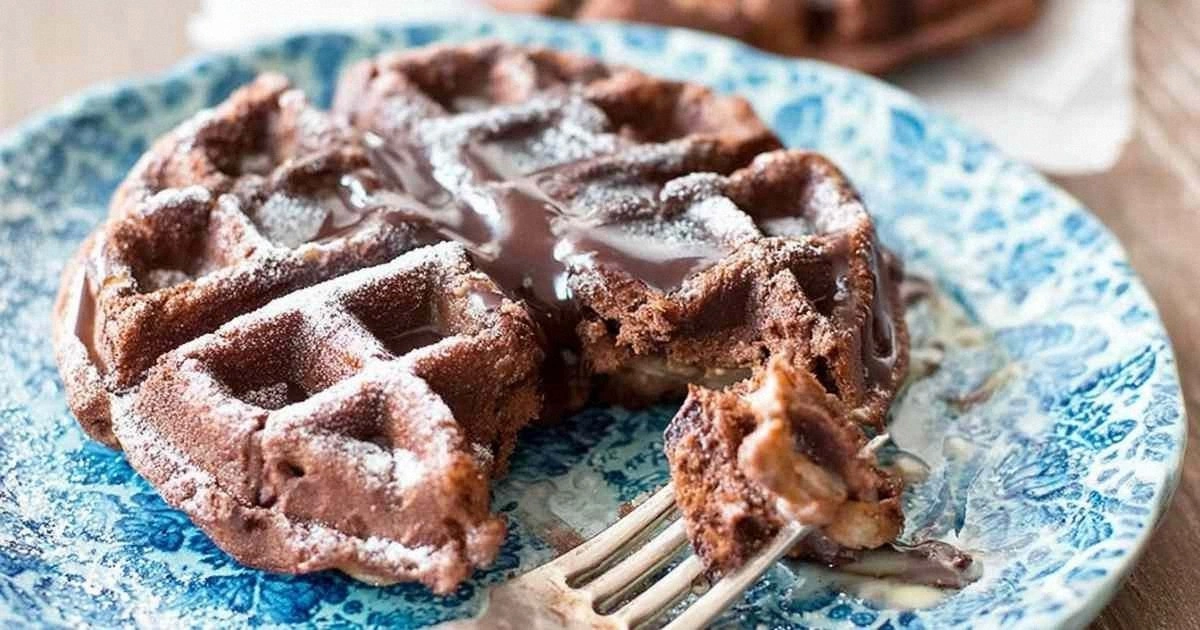
- Texture: The batter achieves a fudgy consistency that stays moist even after cooling. The subtle inclusion of a splash of water creates micro‑air pockets, giving each bite a melt‑in‑your‑mouth feel. The result is a brownie that feels dense yet tender, avoiding the dreaded rubbery finish.
- Protein Boost: With 25 grams of protein per serving, these brownies support muscle recovery without sacrificing taste. The peanut butter and egg provide high‑quality protein that blends seamlessly into the batter. It’s a snack that works as hard as you do.
- Low Calorie: At only 65 calories per serving, they’re a snack‑sized delight that keeps you on track with your calorie goals. The use of monk fruit sweetener eliminates hidden sugars, making the dessert truly clean. You can indulge without guilt.
- Crowd‑Pleaser: Friends who’ve tried these brownies rave about the decadent texture and the fact that they can’t resist a second bite. Even the most skeptical sweet tooth is won over, and the protein content becomes a talking point at parties. It’s the kind of dessert that earns compliments.
- Versatility: This batter can be poured into a variety of pans—from classic brownies to mini cupcakes, or even used as a base for protein bars. The simple ingredients make it a versatile canvas for creativity. Swap in nuts or dried fruit and you’ve got a whole new treat.
Alright, let's break down exactly what goes into this masterpiece...
Inside the Ingredient List
The Flavor Base
Peanut butter is the star of the show, delivering both richness and protein. Its natural oils keep the batter moist, preventing the dreaded crumbly texture. If you skip it, you lose the deep nutty undertone that grounds the chocolate. Swap for almond butter for a slightly lighter flavor, but keep the same quantity to maintain moisture.
Cocoa powder provides the core chocolate flavor without the heaviness of melted chocolate. It also adds antioxidants and a slight bitterness that balances the sweetener. If you omit cocoa, the brownies will taste more like a sweet peanut butter cake. For a deeper flavor, use a dark cocoa powder with at least 60% cacao.
Monk fruit sweetener is the secret weapon that keeps the calorie count low while delivering a clean sweetness. It’s heat‑stable and doesn’t caramelize, so your brownies stay crisp on the edges. If you don’t have monk fruit, try a zero‑calorie stevia blend in equal parts. Just be aware that stevia can have a slight aftertaste.
The Texture Crew
The egg acts as a binder, giving structure to the brownies while adding a subtle richness. Without it, the batter would be too loose and the finished product would crumble. If you’re vegan, replace the egg with a flaxseed “egg” made from 1 tablespoon flaxseed meal and 3 tablespoons water.
A splash of water is the unsung hero that creates micro‑air pockets and prevents the batter from becoming too thick. If you skip it, the brownies will be dense and dry. You can also use a tablespoon of unsweetened applesauce for extra moisture without adding sugar.
The Unexpected Star
Semi‑sweet chocolate chips add a burst of chocolate that contrasts the smooth peanut butter base. They also provide a pleasant snap when you bite into them. If you’re allergic to dairy, look for dairy‑free chocolate chips that still melt beautifully. For an extra kick, add a pinch of cayenne pepper to the chips.
The Final Flourish
A pinch of salt elevates every flavor, balancing the sweetness and highlighting the nutty notes. If you omit salt, the brownies will taste flat and overly sweet. Use sea salt for a subtle crunch, or a fine Himalayan salt for a mineral boost. The key is to keep it minimal—just enough to enhance the overall profile.
Everything's prepped? Good. Let's get into the real action...
The Method — Step by Step
- Preheat your oven to 350°F (175°C) and line an 8‑inch square pan with parchment paper. The parchment ensures a clean release and a perfect edge. This step might seem trivial, but it saves you a lot of cleanup later.
- In a medium bowl, combine the peanut butter, egg, cocoa powder, monk fruit sweetener, and a pinch of salt. Whisk until the mixture is smooth and glossy, like a silky sauce that coats the spoon. Watch the color change as the cocoa fully incorporates.
- Add the splash of water to the batter. This subtle addition is the secret to a fudgy texture; it loosens the batter just enough to create airy pockets. If you prefer a thicker batter, reduce the water slightly.
- Fold in the semi‑sweet chocolate chips, ensuring an even distribution. The chips will melt slightly, creating pockets of chocolate that burst with each bite. This step is pure joy—watching the chips swirl into the batter feels like a mini celebration.
- Pour the batter into the prepared pan, spreading it evenly with a spatula. The batter should fill the pan to the top, creating a uniform layer that will bake evenly. If you see any air pockets, tap the pan gently on the counter to release them.
- Bake for 25–28 minutes, or until a toothpick inserted into the center comes out with a few moist crumbs. The edges will start to pull away from the pan, indicating readiness. Keep an eye on the top; a light golden brown is the sign of perfection.
- Remove the brownies from the oven and let them cool in the pan on a wire rack for 10 minutes. This rest period allows the structure to set, preventing them from falling apart when you cut. After 10 minutes, lift them out with the parchment and slice.
- Serve warm or at room temperature. The brownies can be enjoyed plain, topped with a drizzle of dark chocolate, or dusted with a pinch of sea salt for extra zing. Each bite is a balanced blend of protein, healthy fats, and low carbs.
That's it — you did it. But hold on, I've got a few more tricks that'll take this to another level...
Insider Tricks for Flawless Results
The Temperature Rule Nobody Follows
Many bakers bake brownies at 375°F, but that temperature tends to overcook the edges while leaving the center raw. I always stick to 350°F, which gives a consistent rise and a chewy center. If you’re using a convection oven, reduce the temperature by 25°F to avoid overbaking.
Why Your Nose Knows Best
Before you even touch the brownies, let your nose do the work. A slight toasty aroma means the cocoa has released its oils, while a sweet, buttery scent indicates the peanut butter is fully blended. If you notice a sharp, raw smell, the batter might be under‑mixed.
The 5-Minute Rest That Changes Everything
After baking, let the brownies rest for exactly five minutes before cutting. This pause allows the proteins to set, preventing the brownies from sticking to the pan. If you cut them too early, they’ll crumble like a broken cookie.
The Secret of Even Slices
Use a hot, damp knife to slice the brownies cleanly. Dip the knife in hot water, wipe it, and then cut. This technique prevents the batter from sticking and ensures each slice has a perfect shape.
Storing for Freshness
Store the brownies in an airtight container at room temperature for up to five days. The airtight seal keeps them from drying out while preserving the fudgy texture. For longer storage, freeze them as described below.
Creative Twists and Variations
This recipe is a playground. Here are some of my favorite ways to switch things up:
Nutty Explosion
Swap the peanut butter for almond or cashew butter and add chopped nuts to the batter. The new flavor profile is nutty, buttery, and still protein‑rich. This version is perfect for nut lovers who want a different crunch.
Minty Fresh
Add 1 teaspoon of peppermint extract to the batter for a refreshing twist. The mint balances the sweetness and gives the brownies a cooling aftertaste. Serve with a dusting of cocoa powder for an extra pop.
Citrus Burst
Incorporate zest from one lemon or orange into the batter for a bright, zesty flavor. The citrus cuts through the richness and adds a lively aroma. Pair with a drizzle of lemon glaze for a sophisticated dessert.
Spiced Chocolate
Add a pinch of cinnamon or a dash of espresso powder to deepen the chocolate flavor. The spices create a warm, aromatic profile that’s perfect for cooler evenings. The result is a brownie that feels like a cozy hug.
Vegan Version
Replace the egg with a flaxseed “egg” and use a dairy‑free chocolate chip. The texture remains fudgy, and the protein content stays high. This version is ideal for vegans who still crave a chocolate treat.
Mini Bars
Pour the batter into a mini muffin tin and bake for 12–15 minutes. Each mini brownie is bite‑sized and perfect for on‑the‑go snacking. They’re also great for parties where you want a variety of desserts.
Storing and Bringing It Back to Life
Fridge Storage
Keep the brownies in an airtight container at room temperature for up to five days. The airtight seal prevents moisture loss, keeping the brownies fresh and fudgy. If you notice a slight drying, wrap them in parchment before storing.
Freezer Friendly
Wrap each brownie individually in plastic wrap, then place them in a freezer bag. They’ll stay good for up to three months. This method preserves the texture and flavor, making them a convenient grab‑and‑go snack.
Best Reheating Method
To reheat, add a tiny splash of water to the brownie, cover with a damp paper towel, and microwave for 15–20 seconds. The steam restores moisture and gives the brownie a fresh, warm feel. Avoid over‑microwaving to keep the texture from becoming rubbery.