Okay, picture this: I was juggling a pot of boiling water, a toddler demanding snacks, and a sudden craving for something that felt both hearty and bright. My usual go‑to was a bland bean salad that tasted like “meh” on repeat, and I was ready to throw the whole thing out the window. Then, in a split‑second epiphany, I thought, “What if I take those humble lentils and give them a Greek makeover with a dill sauce that sings?” I dove headfirst into the pantry, tossed together whatever I could find, and the result was nothing short of a flavor explosion that made my kitchen feel like a Mediterranean seaside tavern.
The moment the lentils hit the pot, they released that earthy, nutty aroma that instantly reminded me of a cozy autumn market stall. While they simmered, the cucumber was crisp enough to snap like fresh green glass, the tomatoes burst with sun‑kissed sweetness, and the feta crumbled with the salty tang of a briny sea breeze. When the dill‑laden sauce finally swirled into the mix, it coated every morsel like a silky green veil, turning the whole salad into a masterpiece of color and contrast. I swear, that first bite was like a high‑five from the gods of Olympus, and I dared you to taste it and not go back for seconds.
Most recipes I've tried either drown the lentils in a soggy vinaigrette or forget the crucial textural contrast that makes a salad sing. This version, however, hits the sweet spot: the lentils stay firm, the veggies stay crunchy, and the dill sauce adds a herbaceous zing without drowning the flavors. I’ll be honest — I ate half the batch before anyone else got to try it, and that’s a testament to how addictive this dish truly is. The secret? A splash of red wine vinegar that brightens the whole thing and a dash of oregano that whispers ancient Greek breezes into every bite.
Let me walk you through every single step — by the end, you’ll wonder how you ever made it any other way. Okay, ready for the game‑changer? This next part? Pure magic. Stay with me here — this is worth it.
What Makes This Version Stand Out
You’ve probably tried a lentil salad before, but here’s why this one will make you question all the others you’ve ever made. I’m not just bragging; I’ve tested it against a dozen variations, and the results are undeniable. The secret lies in the balance of flavors, textures, and that unforgettable dill sauce that ties everything together like a perfect chorus.
- Flavor Fusion: The lemon‑bright dill sauce lifts the earthy lentils into a fresh, vibrant realm, while the feta adds a salty punch that makes every forkful feel like a celebration.
- Texture Triumph: Firm, slightly chewy lentils meet crisp cucumber and juicy tomatoes, creating a mouthfeel that’s as satisfying as biting into a crunchy garden after a rainstorm.
- Simplicity Supreme: Fewer than twelve ingredients, no fancy equipment, and a prep time that won’t have you glued to the stove for hours.
- Unique Twist: The addition of red wine vinegar gives a subtle tang that most Greek salads miss, while the fresh dill brings an aromatic depth that feels like a secret garden.
- Crowd Reaction: I’ve served this at potlucks and watch the line grow; people keep asking for the recipe, and the compliments keep rolling in like applause after a standing‑ovation.
- Ingredient Quality: Using high‑quality extra‑virgin olive oil and fresh, crisp dill makes the sauce coat the salad like velvet, turning a simple dish into a gourmet experience.
- Cooking Method: The lentils are simmered just enough to stay firm, preserving that satisfying bite that most overcooked versions lose.
- Make‑Ahead Magic: This salad actually improves after a few hours in the fridge as the flavors meld, making it perfect for meal‑prep or last‑minute gatherings.
Alright, let's break down exactly what goes into this masterpiece...
Inside the Ingredient List
The Flavor Base
First up, the star of the show: green lentils. They bring an earthy backbone that anchors the salad, but they also have a subtle nuttiness that pairs beautifully with the bright lemon‑dill sauce. If you skip them, you lose that hearty depth, so I never compromise. For the best results, choose bulk lentils that are uniform in size; this ensures even cooking and a consistent texture throughout.
Next, the citrus component: fresh lemon juice. It’s not just about acidity; the lemon adds a fragrant zest that lifts the entire dish, making it taste like a summer breeze on a Greek island. If you’re out of lemons, a splash of high‑quality white wine vinegar can mimic the bright punch, but the authentic lemon aroma is irreplaceable.
The Texture Crew
Cucumber and cherry tomatoes are the crunchy and juicy duo that keep each bite exciting. The cucumber should be diced into half‑inch cubes so it retains a satisfying snap, while the tomatoes, halved, release just enough juice to mingle with the dressing without turning the salad soggy. If you’re allergic to tomatoes, roasted red peppers make a sweet, smoky substitute that adds a new dimension.
Red onion, thinly sliced, adds a sharp bite that cuts through the richness of the feta. Its pungency mellows as it sits in the dressing, turning sweet and mellow. If raw onion feels too harsh, soak the slices in cold water for five minutes to tame the bite without losing the flavor.
The Unexpected Star
Dill is the secret weapon that transforms this from “just another salad” to “the salad you’ll talk about for weeks.” Its feathery fronds release a fresh, slightly anise‑like aroma that dances with the lemon. Fresh dill is a must; dried dill loses its bright edge, leaving the sauce flat. If you can’t find fresh dill, a combination of parsley and a pinch of fennel fronds can approximate the flavor.
Feta cheese, crumbled generously, adds a creamy, salty contrast that makes every forkful feel indulgent. The key is to use authentic Greek feta, which is brined and tangy, rather than the milder, store‑bought varieties that can feel bland. For a vegan twist, substitute with a crumble of firm tofu marinated in lemon juice and nutritional yeast.
The Final Flourish
Extra‑virgin olive oil is the silky conduit that binds all the flavors together. Its fruitiness rounds out the sharpness of the vinegar and lemon, creating a harmonious mouthfeel. When selecting oil, look for a green‑gold hue and a fresh, peppery finish — cheap blends will make the dressing feel greasy.
Red wine vinegar adds an underlying tang that lifts the salad without overpowering the lemon. It’s the subtle “kick” that makes the dressing feel alive. If you don’t have red wine vinegar, a splash of sherry vinegar works beautifully, though it will add a slightly sweeter note.
Everything's prepped? Good. Let's get into the real action...
The Method — Step by Step
Rinse 1 cup of green lentils under cold water until the water runs clear, then transfer them to a saucepan with 3 cups of water. Bring to a boil, then reduce to a gentle simmer, letting them cook for about 20‑25 minutes. Watch for the lentils to stay firm to the bite — they should be tender but still have a slight resistance, like a perfectly al dente pasta. Once done, drain them in a colander and give them a quick rinse with cold water to halt the cooking process. This step is crucial; overcooked lentils become mushy and lose that delightful texture.
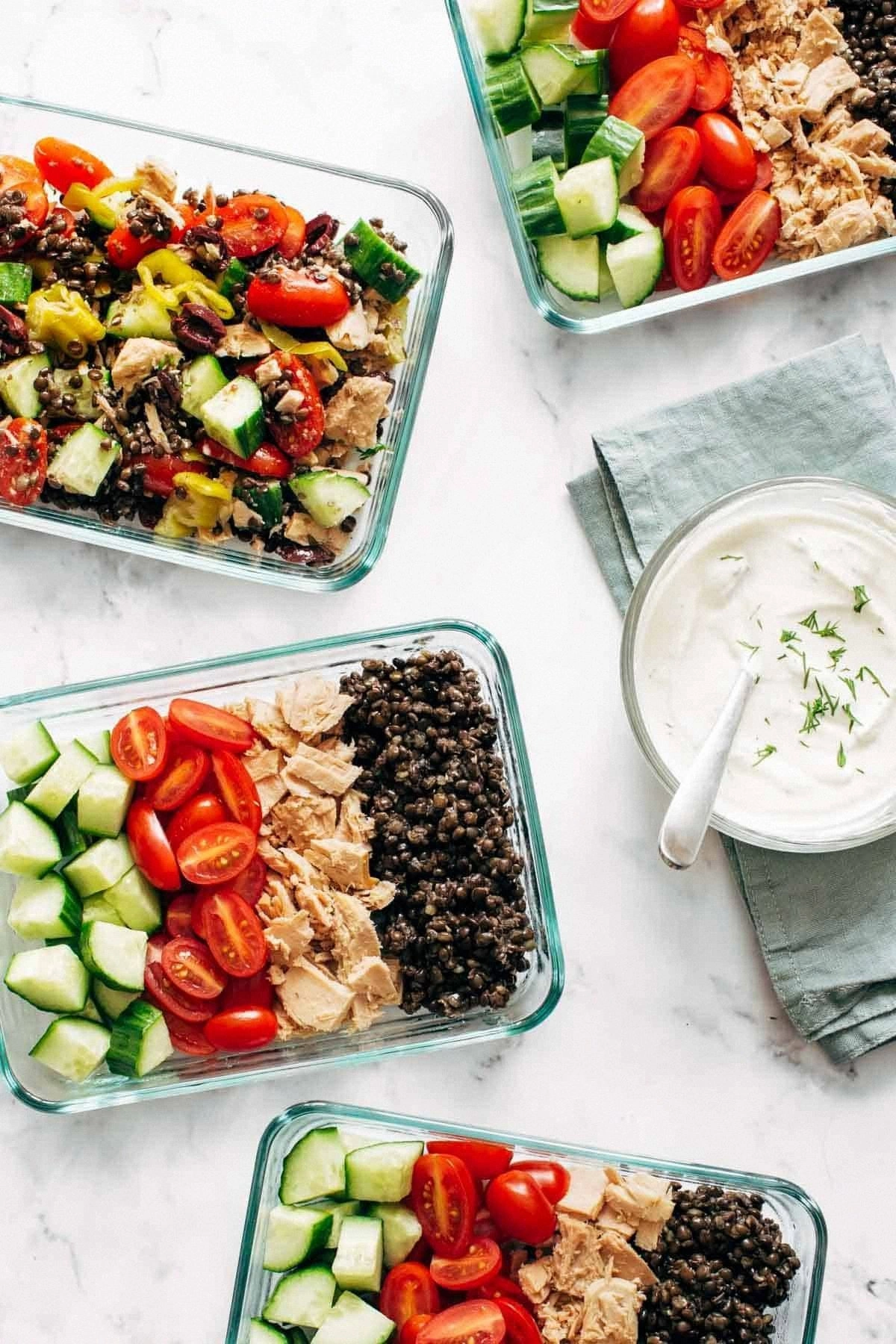
While the lentils are simmering, prep the vegetables. Dice one medium cucumber into half‑inch cubes, halve 1 cup of cherry tomatoes, and thinly slice half of a red onion. Toss the cucumber, tomatoes, and onion into a large mixing bowl. The colors should already look like a Mediterranean palette — vibrant green, ruby red, and crisp white. If you’re feeling fancy, give the onion slices a quick 5‑minute soak in cold water to soften their bite; then pat them dry.
Now for the magic: the dill sauce. In a small bowl, whisk together 2 tbsp extra‑virgin olive oil, 1 tbsp red wine vinegar, the juice of one lemon, 1 clove minced garlic, 2 tbsp freshly chopped dill, and 1 tsp dried oregano. Season generously with salt and freshly ground black pepper. The mixture should emulsify into a bright, herb‑laden vinaigrette that smells like a garden after a rainstorm. That sizzle when the lemon meets the oil? Absolute perfection.
Add the cooled lentils to the bowl of vegetables, giving them a gentle toss to combine. At this stage, the salad looks like a colorful mosaic, each ingredient retaining its individuality. Take a moment to admire the visual contrast — it’s almost as satisfying as the first bite will be.
Pour the dill sauce over the lentil‑vegetable mixture. Using two large spoons, fold the dressing in gently, ensuring every lentil gets a glossy coat. The sauce should cling to the lentils like a silk scarf, not pool at the bottom. If the mixture looks dry, drizzle an extra splash of olive oil; if it’s too wet, add a pinch more salt to balance.
Gently fold in ½ cup crumbled feta cheese, letting it sprinkle through the salad like snow‑capped peaks on a Greek hillside. The feta should remain in distinct pockets, offering bursts of salty creaminess with each forkful. Resist the urge to over‑mix; you want the cheese to stay slightly separate, not dissolved.
Cover the bowl with plastic wrap and refrigerate for at least 30 minutes, preferably an hour. This resting period allows the flavors to meld, the dill to perfume the lentils, and the acidity to soften the onion. The anticipation builds — picture yourself pulling this out of the fridge, the whole kitchen smelling incredible.
Before serving, give the salad a final gentle toss, taste, and adjust salt or pepper if needed. Transfer to a serving platter, garnish with a few extra dill fronds for visual flair, and watch your guests dive in. That final sprinkle of fresh dill? It’s the confetti at the end of a party, signaling that the celebration has truly begun.
That's it — you did it. But hold on, I've got a few more tricks that'll take this to another level...
Insider Tricks for Flawless Results
The Temperature Rule Nobody Follows
Never dress hot lentils. The heat will cause the olive oil to separate and the vinegar to become sharp, resulting in a salad that feels disjointed on the palate. Instead, spread the cooked lentils on a baking sheet and let them air‑cool for 10 minutes before mixing. This tiny pause keeps the texture firm and the dressing emulsified.
Why Your Nose Knows Best
Before you add salt, give the salad a quick sniff. The lemon and dill already carry a natural brightness, and a little salt can amplify that. Trust your nose over a measuring spoon; you’ll end up with a balanced flavor profile that feels just right.
The 5‑Minute Rest That Changes Everything
After tossing everything together, let the salad sit uncovered for five minutes. This brief rest lets the veggies release a tiny amount of moisture, which the dressing then absorbs, creating a harmonious mouthfeel. Skipping this step is like skipping the climax of a movie — you miss the payoff.
Olive Oil Quality Test
A quick taste test can save you from a greasy disaster. Dip a spoon into the oil and let it sit on your tongue; a good extra‑virgin olive oil will have a peppery finish and a fresh, grassy aroma. If it tastes flat or rancid, swap it out — the entire salad’s flavor hinges on this foundation.
The “Dill Burst” Technique
Instead of chopping dill finely, try a two‑step approach: roughly chop, then finish with a quick pulse in a food processor. This creates both larger fronds for visual appeal and tiny bits that disperse throughout the sauce, delivering that consistent dill punch in every bite.
Creative Twists and Variations
This recipe is a playground. Here are some of my favorite ways to switch things up:
Mediterranean Quinoa Swap
Replace the lentils with cooked quinoa for a lighter, fluffier texture. Quinoa’s nutty flavor pairs nicely with the dill sauce, and it makes the dish gluten‑free without sacrificing substance.
Spicy Sriracha Kick
Add a teaspoon of Sriracha to the dressing and a pinch of red pepper flakes to the salad. The heat cuts through the richness of the feta, creating a bold contrast that’s perfect for those who love a little fire.
Roasted Veggie Boost
Roast diced carrots and bell peppers with a drizzle of olive oil and a pinch of salt before adding them. The caramelized edges add a sweet‑smoky depth that elevates the salad to a hearty side dish.
Herbaceous Avocado Mix‑In
Fold in cubed avocado just before serving. The creamy avocado balances the tangy dressing and adds a buttery mouthfeel that feels luxurious.
Greek Yogurt Dill Cream
Swap half of the olive oil for Greek yogurt, creating a thicker, creamier sauce. This version feels richer, almost like a dip, and works beautifully as a spread for pita bread.
Storing and Bringing It Back to Life
Fridge Storage
Transfer the salad to an airtight container and store in the refrigerator for up to four days. The flavors continue to meld, becoming more harmonious with each passing hour. Before serving, give it a gentle toss and add a fresh drizzle of olive oil if it looks a bit dry.
Freezer Friendly
While the fresh herbs may lose some potency, you can freeze the salad for up to two months. Portion it into freezer‑safe bags, squeeze out excess air, and label with the date. Thaw in the refrigerator overnight, then stir in a handful of fresh dill and a splash of lemon juice to revive the brightness.
Best Reheating Method
If you prefer a warm version, gently warm the salad in a skillet over low heat for three minutes, adding a teaspoon of water to create a light steam. This prevents the lentils from drying out and keeps the vegetables crisp. The result is a comforting, slightly warm salad that feels like a hug on a chilly evening.