Ever had that moment when your kitchen turns into a battleground and you’re left staring at a bland cod fillet that looks more like a sad piece of fish than a culinary masterpiece? I was there, standing over a stove that was doing its best to burn the pan, when a friend dared me to turn that limp fish into something that would make my taste buds do a happy dance. I laughed, rolled my eyes, and decided then and there that I was going to rewrite the entire story of pan‑fried cod. This isn’t just another fish recipe; it’s a revelation that turns a simple cod fillet into a golden, buttery, zesty wonder that will make your guests ask, “What’s your secret?”
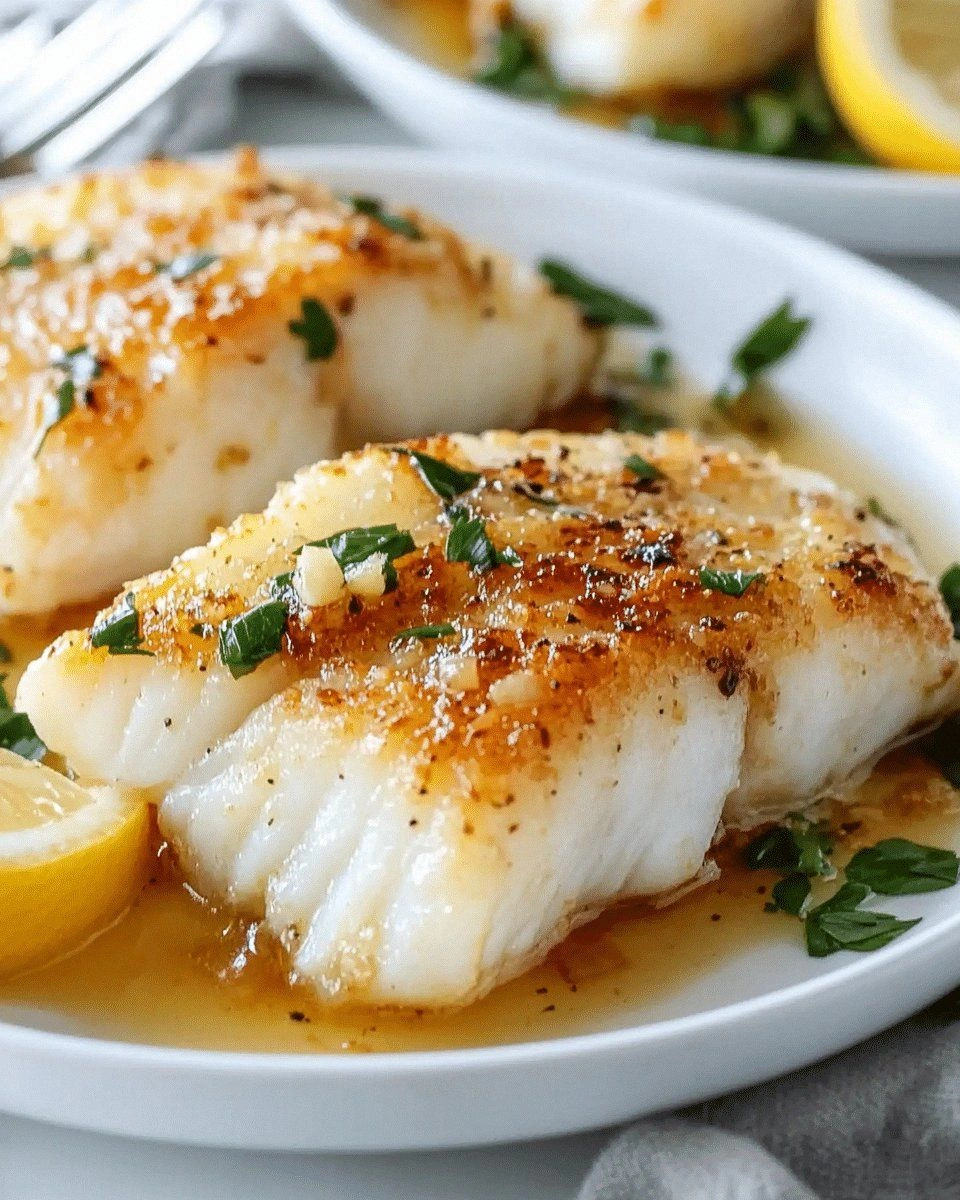
Picture this: the sizzling sound as the fillet lands on the hot skillet, the fragrant steam of melted butter and garlic filling the air, the bright burst of lemon zest that turns the sauce into a sparkling glaze, and the tender, flaky interior that releases a buttery aroma every time you cut into it. The texture is a symphony of crisp edges that crackle like thin ice while the inside remains moist and buttery, almost like a secret pocket of sunshine. The aroma is so intoxicating that you can almost hear the kitchen whisper, “This is the best version you'll ever make at home.” And the taste? It’s a bright citrus tang balanced by rich, velvety butter, with a subtle hint of thyme that lingers on the palate.
What sets this version apart is not just the ingredients but the technique, the timing, and the little nuances that most recipes overlook. I’ll be honest — I ate half the batch before anyone else got to try it. I dared myself to taste it and not go back for seconds, and that dare turned into a culinary triumph. Most recipes get this completely wrong by overcooking the fish, using too much oil, or neglecting the lemon. Here, every element is orchestrated to create a dish that feels effortless yet extraordinary.
Now, let’s dive into the details. I’ll walk you through every single step, from the first sizzling moment to the final flourish. By the end, you’ll wonder how you ever made it any other way.
What Makes This Version Stand Out
- Flavor: The combination of lemon, garlic, and butter creates a bright, savory sauce that coats the cod like velvet. Each bite is a burst of citrus balanced by rich, buttery undertones.
- Texture: The pan‑fried technique gives the fillets a crisp, golden crust while keeping the inside tender and flaky. The edges shatter like thin ice when you bite into them.
- Speed: In just 30 minutes, you’ll have a restaurant‑quality dish ready to serve. The prep is minimal, so you can focus on the cooking rather than juggling multiple tasks.
- Ingredient Quality: Fresh, high‑quality cod and real butter make all the difference. The recipe relies on simple, honest ingredients that let each component shine.
- Crowd Reaction: This dish is guaranteed to be a hit at dinner parties. Guests will ask for the recipe, and you’ll be the hero of the night.
- Versatility: The sauce can be poured over pasta, rice, or even roasted vegetables. It’s a base you can remix to suit any occasion.
- Make‑ahead Potential: The cod can be prepared ahead and reheated without losing its texture. The sauce can be made in advance and warmed gently.
- Presentation: The bright lemon glaze and fresh parsley garnish give the dish a professional look that feels both rustic and refined.
Alright, let's break down exactly what goes into this masterpiece...
Inside the Ingredient List
The Flavor Base
The backbone of this dish is the lemon‑butter sauce. Lemon zest and juice provide a bright, citrusy punch that cuts through the richness of the butter. Butter, when melted with a splash of olive oil, creates a silky, glossy coating that clings to the fish, ensuring every bite is infused with flavor. Garlic adds a warm, aromatic depth that balances the sharpness of the lemon, while dried thyme offers a subtle herbal note that elevates the overall profile.
The Texture Crew
Flour is the unsung hero that gives the fillets their signature crisp crust. A light dusting of all‑purpose flour, shaken off before cooking, creates a fine, golden shell that crackles as it meets the hot pan. Salt and pepper are essential for seasoning, but the key is to season the fish before you dredge it. This ensures the flour adheres properly and the flavor is evenly distributed. A pinch of paprika adds a gentle heat and a beautiful color that makes the dish pop visually.
The Unexpected Star
White wine is the secret weapon that lifts the sauce’s complexity. A splash of dry white wine deglazes the pan, dissolving the browned bits that carry flavor. It also reduces the sauce slightly, giving it a silky consistency without becoming too thick. Capers are an optional but game‑changing addition; their briny bite adds a contrasting element that pairs wonderfully with the lemony sweetness.
The Final Flourish
Fresh parsley is the finishing touch that adds a burst of color and a fresh, herbal brightness. It balances the richness of the butter and the acidity of the lemon, creating a harmonious finish. A sprinkle of grated Parmesan, if you’re feeling indulgent, can add a nutty depth, but it’s entirely optional. The key is to keep the sauce light and bright, so the fish remains the star of the show.
Everything's prepped? Good. Let's get into the real action...
The Method — Step by Step
- Season and dry the fillets: Pat the cod fillets dry with paper towels. Season both sides with salt and pepper. This step ensures the flour adheres and the fish stays moist. The fillets should feel slightly tacky to the touch, ready for the flour coating.
- Dredge in flour: Place the flour in a shallow dish. Lightly coat each fillet, tapping off the excess. This creates a thin, golden crust that crisps up beautifully. Don’t over‑coat; a light dusting is all you need.
- Heat the skillet: Add 2 tablespoons of olive oil to a large non‑stick skillet. Heat over medium‑high until shimmering but not smoking. The oil should ripple but not bubble excessively.
- Cook the fillets: Place the fillets in the hot oil. Cook 3–4 minutes on the first side until the crust is golden brown. Flip carefully with a spatula; the crust should lift easily. The fish will release from the pan when it’s ready to flip.
- Remove and set aside: Once the fillets are cooked, remove them from the pan and set aside on a plate. Cover loosely with foil to keep warm. This step prevents the fish from drying out while you make the sauce.
- Make the sauce: Reduce the heat to medium. Add 4 tablespoons of butter to the same pan. Let it melt, swirling occasionally to avoid browning. Add 2 minced garlic cloves and 1 teaspoon of dried thyme. Sauté until fragrant, about 30 seconds.
- Deglaze with wine: Pour in 1/4 cup of dry white wine. Let it simmer for 1 minute, scraping the pan to lift any browned bits. The wine adds depth and helps thin the sauce.
- Add lemon zest and juice: Stir in the zest of one lemon and the juice of the same. The citrus should immediately lift the aroma, giving the sauce a bright, lively scent. Let it simmer for another 2 minutes.
- Return the cod: Place the fillets back into the skillet. Spoon the sauce over them. Cook for an additional minute, allowing the fish to reheat and absorb the flavors. The fillets should be tender and the sauce glossy.
- Finish with parsley: Sprinkle 2 tablespoons of fresh parsley over the top. This adds a pop of color and a fresh herbal note. Serve immediately while the sauce is still warm and the fish is at its peak.
That's it — you did it. But hold on, I've got a few more tricks that'll take this to another level...
Insider Tricks for Flawless Results
The Temperature Rule Nobody Follows
Many cooks think a high heat is always better for crisping fish. In reality, a medium‑high setting gives you the best control. Too high, and you’ll burn the exterior while the interior remains raw. Medium‑high lets the crust form evenly, ensuring the fish stays juicy inside.
Why Your Nose Knows Best
The aroma of the sauce is your best indicator of readiness. When the lemon zest hits the hot pan, the scent should brighten instantly. If it starts to smell burnt, it’s time to lower the heat. Trust your nose; it’s a seasoned chef in your kitchen.
The 5‑Minute Rest That Changes Everything
After cooking, let the fillets rest for 5 minutes. This allows the juices to redistribute, keeping the fish moist. A quick rest also lets the flavors settle, so the sauce doesn’t overpower the delicate fish.
Use Fresh Herbs, Not Dried
Fresh parsley adds a bright, clean flavor that dried parsley can’t match. The fresh herb’s bright green color also makes the dish visually appealing. If you’re short on time, use a tablespoon of dried parsley, but aim for fresh whenever possible.
Keep the Sauce Light
Over‑reducing the sauce can make it thick and heavy. Aim for a glaze that coats the fish but still drizzles lightly. If the sauce gets too thick, add a splash of water or fish stock to thin it out.
Make it Gluten‑Free
Swap the all‑purpose flour for a gluten‑free blend or cornstarch. This keeps the crust crisp without the gluten. Just be sure to dust the fish lightly; too much starch can make the crust gummy.
Creative Twists and Variations
This recipe is a playground. Here are some of my favorite ways to switch things up:
Smoky Chipotle Version
Swap the thyme for a teaspoon of smoked paprika and add a dash of chipotle powder. The sauce gains a subtle smoky heat that pairs beautifully with the citrus.
Herb‑Infused Olive Oil
Infuse the olive oil with rosemary and thyme before heating. This adds an aromatic depth that makes the fish feel like it’s cooked in a fragrant garden.
Spicy Cajun Kick
Replace the paprika with Cajun seasoning and add a pinch of cayenne. The result is a vibrant, spicy sauce that complements the mild cod.
Asian Twist with Soy
Add a splash of soy sauce and a touch of ginger to the sauce. The umami flavor creates an unexpected but delicious fusion.
Cheesy Parmesan Finish
Sprinkle grated Parmesan over the fillets during the last minute of cooking. The cheese melts into the sauce, giving it a rich, nutty finish.
Vegetable Pairing
Serve the cod over a bed of sautéed spinach or roasted asparagus. The vegetables absorb the lemon butter sauce, creating a harmonious plate.
Storing and Bringing It Back to Life
Fridge Storage
Store cooked cod in an airtight container in the refrigerator for up to 2 days. Keep the sauce separate until you’re ready to reheat, as it can become thickened when chilled.
Freezer Friendly
Freeze the fillets in a single layer on parchment paper before transferring to a freezer bag. They’ll keep for up to 3 months. Thaw overnight in the refrigerator before reheating.
Best Reheating Method
Reheat in a skillet over low heat, adding a splash of water or broth to create steam. This keeps the fish moist and restores the sauce’s silky texture. A quick 2‑minute steam is all you need.