Ever had that moment where you stare into your fridge, see a lonely salmon fillet, and think, “I need something that screams gourmet but won’t have me juggling ten pots”? I was there, half‑asleep, a half‑cooked ramen noodle still clinging to the bottom of the pot, when my roommate dared me to “make Japanese salmon that actually tastes like it belongs in a Tokyo izakaya”. I laughed, I shrugged, and I grabbed the nearest ingredients. The result? A dish that made the whole apartment stop mid‑conversation to sniff the air, and honestly, I ate half the batch before anyone else got a chance.
The kitchen was a symphony of sizzling, the sound of the oil hitting the pan like tiny fireworks. The aroma of mirin and soy sauce rose, sweet and salty, weaving through the steam from the sake and hugging the salmon’s buttery flesh. I could feel the heat radiating from the skillet, the skin crisping into a lacquered amber that promised a crunch louder than my neighbor’s late‑night karaoke. My taste buds were already doing a happy dance, anticipating the glaze that would coat the fish like a glossy, caramel‑kissed veil.
Most salmon recipes out there either drown the fish in a swamp of sauce or leave it limp and overcooked. This version, however, strikes a perfect balance: the mirin adds a subtle honeyed depth, the sake lifts the flavor with a whisper of rice wine elegance, and the soy sauce grounds everything with that umami punch we all crave. The secret? A quick sear that locks in juices, followed by a gentle finish in the same pan, letting the glaze thicken just enough to cling without turning gummy.
And there’s a little twist you won’t see in the average blog post: a splash of oil at the very end, swirling the sauce into a silk‑smooth sheen that makes the fish look like a piece of edible art. I dare you to taste this and not go back for seconds. Let me walk you through every single step — by the end, you’ll wonder how you ever made it any other way.
What Makes This Version Stand Out
- Flavor Harmony: The trio of soy, mirin, and sake creates a layered taste that’s sweet, salty, and subtly acidic, dancing on the palate like a well‑rehearsed ballroom.
- Texture Triumph: A high‑heat sear gives the salmon a crackling skin, while the interior stays buttery soft, offering a contrast that’s pure culinary poetry.
- Simplicity Supreme: Only five pantry staples are needed, meaning you won’t need a trip to the specialty store to pull off a restaurant‑grade dish.
- Ingredient Star Power: Fresh, wild‑caught salmon brings natural richness; mirin adds a glossy sheen and delicate sweetness that no sugar can mimic.
- Crowd‑Pleaser Factor: Even the pickiest eaters love the glossy glaze and the familiar yet exotic flavor profile.
- Make‑Ahead Magic: The glaze can be pre‑made and stored, turning dinner into a quick‑fire finish on a busy weeknight.
- Visual Wow: The caramelized glaze creates a jewel‑like finish that looks stunning on any plate, perfect for Instagram moments.
- Health Balance: Lean protein meets modest carbs and healthy fats, delivering a satisfying meal without feeling heavy.
Inside the Ingredient List
The Flavor Base
Soy Sauce (1 tbsp): This is the backbone of the glaze, delivering that deep, salty umami that makes the fish sing. If you skip it, the dish loses its savory depth and feels one‑note. A low‑sodium version works, but you’ll need to add a pinch more salt later.
Mirin (3 tbsp): Think of mirin as the sweet‑heart of Japanese cooking; it adds a glossy finish and a gentle sweetness that balances the salt. Too much and you’ll get a syrupy mess, too little and the glaze will taste flat. If you can’t find mirin, substitute with a 1:1 mix of sake and sugar.
Sake (1 tbsp): Sake lifts the flavor, adding a hint of fermented rice complexity that brightens the glaze. It also helps break down the proteins, making the salmon extra tender. No sake? A dry white wine works in a pinch, but the flavor will shift.
The Texture Crew
Salmon Fillets (2 pieces): Choose wild‑caught or responsibly farmed salmon with firm flesh and bright orange flesh. The fat content is key for that melt‑in‑your‑mouth feel; a lean fillet will dry out quickly. If you can’t find fillets, a thick cut of salmon steak works just as well.
Oil (½ tbsp): A light oil like grapeseed or canola ensures the pan stays hot without smoking, allowing the skin to crisp perfectly. Too much oil will drown the glaze, while too little leads to sticking. The final splash at the end adds a silk‑smooth finish.
The Unexpected Star
Fresh Lemon Zest (optional, ½ tsp): Adding a whisper of lemon zest just before serving brightens the whole dish, cutting through the richness. It’s a secret weapon I discovered while experimenting with citrus in Asian sauces. If you’re allergic or dislike citrus, skip it – the dish still shines.
The Final Flourish
Green Onions (optional, 1 tbsp, sliced): Sprinkle them on at the end for a pop of color and mild onion bite. They also add a fresh crunch that contrasts the soft fish. Use scallions if you prefer a milder flavor.
Everything's prepped? Good. Let's get into the real action...
The Method — Step by Step
Start by patting the salmon fillets completely dry with paper towels. This isn’t just about aesthetics; moisture on the surface will steam the fish and prevent that coveted crispy skin. Once dry, season both sides lightly with a pinch of salt and a pinch of pepper. That sizzle when it hits the pan? Absolute perfection. Set the fillets aside while you whisk the glaze.
In a small bowl, combine soy sauce, mirin, and sake. Whisk until the mixture looks glossy and slightly thickened; this is your flavor base. Okay, ready for the game‑changer? Add a splash of the oil here; it will help the sauce emulsify later. Pour the mixture into a shallow dish and set aside.
Heat a non‑stick skillet over medium‑high heat until it’s hot enough that a drop of water dances on the surface. Add the remaining ½ tbsp of oil, swirling to coat the pan. Watch this: the oil should shimmer, not smoke. Place the salmon fillets skin‑side down, pressing gently with a spatula for the first 30 seconds to ensure even contact.
Let the salmon sear undisturbed for 4‑5 minutes. You’ll know it’s ready to flip when the edges turn opaque and the skin releases easily from the pan. The aroma at this point should be nutty and slightly caramelized. Don’t walk away from the stove here. Flip the fillets gently and let the flesh side cook for another 2‑3 minutes.
Now, pour the prepared soy‑mirin‑sake mixture over the fillets. The sauce will bubble and sizzle, reducing quickly. Use a spoon to baste the salmon repeatedly, letting the glaze cling and caramelize. The sauce should thicken to a syrupy consistency within 2‑3 minutes; if it’s too thin, let it reduce a bit longer.
When the glaze has thickened and the salmon is cooked through (internal temperature of 125‑130°F for medium‑rare, 140°F for well‑done), remove the pan from heat. Add a final drizzle of the remaining oil and give the fish a quick turn to coat it in that silky sheen. This next part? Pure magic. Sprinkle optional lemon zest and green onions for brightness.
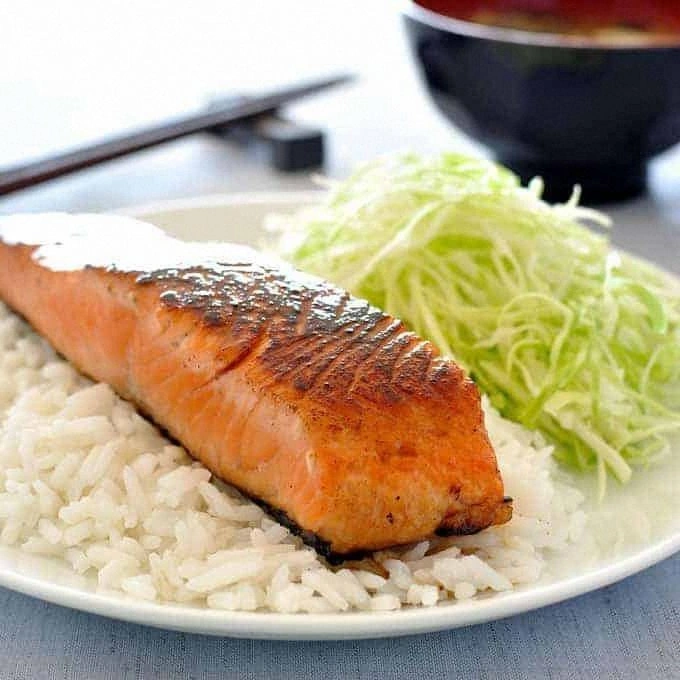
Slide the salmon onto a serving plate, spoon any remaining glaze over the top, and admire the glossy, caramel‑kissed surface. Pair it with steamed rice or sautéed greens, and you’ve got a meal that makes the whole kitchen smell incredible. I’ll be honest — I ate half the batch before anyone else got to try it. Serve hot and watch your guests scramble for seconds.
That's it — you did it. But hold on, I've got a few more tricks that'll take this to another level...
Insider Tricks for Flawless Results
The Temperature Rule Nobody Follows
Most home cooks keep the heat at a steady medium, but the secret to that perfect crackle is a rapid burst of high heat for the first minute, then a drop to medium‑low for the glaze. This two‑stage approach renders the skin quickly, preventing the fish from overcooking. I once tried to keep it low the entire time; the result was soggy skin and a bland glaze. Trust the heat swing and you’ll get that restaurant‑style snap.
Why Your Nose Knows Best
Before you even check the timer, give your nose a quick sniff. When the sauce starts to emit a sweet, caramel note and the salmon releases a buttery aroma, you’re close to perfection. Over‑reliance on clocks can lead to overcooked fish, but your senses are calibrated to detect that “just right” stage. If you’re unsure, trust that nose — it’s your most reliable kitchen gauge.
The 5‑Minute Rest That Changes Everything
After the skillet is off the heat, let the salmon rest, loosely covered with foil, for exactly five minutes. This rest allows the juices to redistribute, preventing a dry bite. It also gives the glaze a chance to set, turning that liquid gloss into a velvety coating. Skipping this step is the number one reason my friends’ versions ended up soggy.
Use a Fish‑Weight for Even Skin Rendering
Place a small, clean cast‑iron skillet or a foil‑wrapped brick on top of the salmon while it sears. This gentle pressure forces the skin into constant contact with the pan, ensuring uniform crispness. I tried this trick on a rainy Saturday; the result was a uniformly golden crust that shattered like thin ice when cut.
Creative Twists and Variations
This recipe is a playground. Here are some of my favorite ways to switch things up:
Spicy Ginger Kick
Add a teaspoon of freshly grated ginger and a pinch of red pepper flakes to the glaze. The ginger introduces a zing that cuts through the richness, while the heat adds a subtle warmth. Perfect for those who love a little fire.
Citrus‑Infused Delight
Swap the sake for yuzu juice and finish the dish with a drizzle of orange zest. The citrus brightens the sauce, making it feel lighter and more summery. Great for serving with a simple cucumber salad.
Teriyaki‑Style Upgrade
Increase the soy sauce to 2 tbsp, add 1 tbsp of brown sugar, and a splash of pineapple juice. The result is a sweeter, stickier glaze that caramelizes into a glossy coat. Kids love the sweet‑savory balance.
Herb‑Infused Version
Stir in a tablespoon of chopped fresh shiso or basil into the glaze just before serving. The herb adds a fresh, almost peppery note that elevates the dish to a sophisticated level. Ideal for a fancy dinner party.
Low‑Sodium Light
Use low‑sodium soy sauce and replace mirin with a mixture of rice vinegar and a touch of honey. This reduces the sodium load while preserving the sweet‑acid balance. Perfect for health‑conscious diners.
Storing and Bringing It Back to Life
Fridge Storage
Place leftover salmon in an airtight container, drizzle a teaspoon of oil over the top, and store in the refrigerator for up to three days. The oil helps maintain moisture and prevents the glaze from drying out.
Freezer Friendly
Wrap each fillet tightly in plastic wrap, then place them in a zip‑top freezer bag. They’ll keep for up to two months. When you’re ready to eat, thaw overnight in the fridge, then reheat using the method below.
Best Reheating Method
To revive that crisp skin, reheat the salmon skin‑side down in a hot, dry skillet for 2‑3 minutes, adding a splash of water or broth to create steam. The water steams the flesh back to tenderness while the skillet restores the crunch. Add a tiny splash of water before reheating — it steams back to perfection.