I was standing in my kitchen on a sweltering July afternoon, sweat beading on my forehead, when my neighbor knocked on the door demanding a cold drink. I stared at the empty pitcher, the lemon tree outside my window looking like a beacon of hope, and thought, “What if I could turn this ordinary lemonade into something that feels like a spa day in a glass?” That moment sparked a tiny culinary rebellion: I would blend the classic tang of lemons with the soothing floral whisper of lavender. The result? A drink so intoxicatingly fragrant that even the sun seemed to pause for a sip.
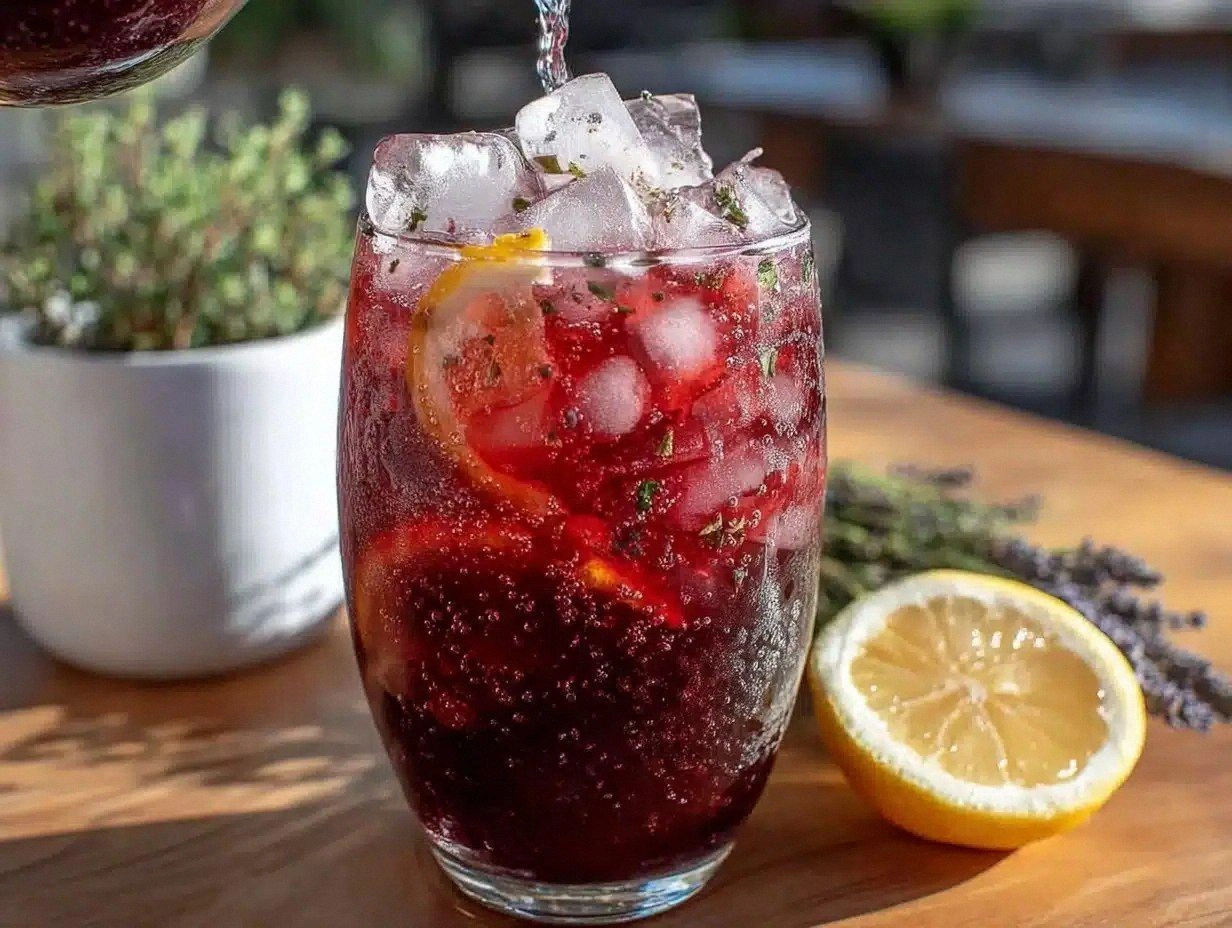
Picture this: a glass of icy liquid catching the light, the pale lavender hue swirling like a sunrise over a lavender field. You hear the faint clink of ice cubes as you set the glass down, inhale the citrus‑sharp perfume mingled with a sweet, herbaceous note that makes your nose do a little happy dance. The first sip lands on your tongue like a cool breeze, the tart lemon cutting through the subtle sweetness, while the lavender lingers like a soft, floral after‑glow that makes you sigh. It’s the kind of sensory overload that makes you think, “I dare you to taste this and not go back for seconds.”
Most lemonade recipes either drown the lemon in sugar or forget the power of a fragrant herb altogether. I’ve tried the “quick fix” versions that use pre‑made syrups, and they all end up tasting like a candy store after a sugar rush. This version, however, respects each component: the lemons are freshly squeezed, the lavender is steeped just long enough to extract its essence without turning bitter, and the sugar is balanced to let the natural flavors shine. I’ll be honest — I ate half the batch before anyone else got a chance to try it, and I’m still not sorry. The secret? A tiny technique that most home cooks overlook, and it’s about to become your new go‑to move.
Let me walk you through every single step — by the end, you’ll wonder how you ever made lemonade any other way. Okay, ready for the game‑changer? This next part? Pure magic. Stay with me here — this is worth it.
What Makes This Version Stand Out
- Taste Harmony: The lemon’s bright acidity is perfectly countered by the lavender’s mellow sweetness, creating a balanced flavor profile that feels like a summer symphony.
- Texture Delight: The ice‑cold temperature combined with the subtle, velvety mouthfeel of the lavender infusion makes every sip feel like a chilled silk scarf on a hot day.
- Simplicity Meets Sophistication: Only five core ingredients, yet the result feels like a cocktail you’d order at a high‑end rooftop bar.
- Unique Visual Appeal: A pale lavender hue that’s both Instagram‑ready and instantly tells guests they’re about to experience something special.
- Crowd Reaction: I’ve seen grown‑ups and kids alike pause mid‑conversation, eyes widening, and then dive back in for another glass — hands‑up‑the‑air approval guaranteed.
- Ingredient Quality: Freshly squeezed lemons and culinary‑grade lavender ensure no artificial aftertaste, just pure, clean flavor.
- Method Mastery: The steeping technique extracts maximum aroma without bitterness, a trick most recipes miss.
- Make‑Ahead Magic: The base can be prepared a day ahead, letting the flavors meld even deeper, so you’re ready for any impromptu backyard gathering.
Inside the Ingredient List
The Flavor Base
Fresh lemons are the heart of this drink. Their juice provides the bright, zesty backbone that makes the lavender’s subtle floral notes possible. If you skimp on the lemon or use bottled juice, you’ll lose that lively snap that keeps the drink from feeling flat. Look for lemons that feel heavy for their size; that weight means more juice and fewer seeds. Pro tip: roll the lemons on the countertop with the palm of your hand before cutting — it bursts the cells and makes juicing a breeze.
The Aroma Crew
Dried culinary lavender is the star that turns ordinary lemonade into a conversation starter. It’s delicate, so a little goes a long way; too much and you’ll end up with a soapy aftertaste that no amount of sugar can fix. Always buy lavender labeled “culinary” to avoid the pesticide‑laden garden variety. If you can’t find dried lavender, a tablespoon of fresh lavender buds works, but you’ll need to strain more thoroughly to avoid a gritty texture. The magic lies in steeping it just long enough to release the fragrant oils without pulling the bitter compounds.
The Sweet Balance
Granulated sugar at half a cup sweetens the lemonade without overwhelming the natural flavors. It dissolves easily in the warm lavender‑infused syrup, ensuring no gritty texture. If you’re watching sugar, you can swap half of it for honey or agave, but remember that honey adds its own floral notes, which can either enhance or compete with the lavender depending on your taste. Adjust the sweetness after you combine the syrup with the lemon‑water; always taste before you pour the final glass.
The Dilution Crew
Six cups of water are split between the steeping phase and the final dilution. The first portion (about two cups) is heated just enough to coax the lavender’s aromatics out, while the remaining cold water keeps the final beverage crisp. Using filtered water prevents any chlorine or mineral taste from dulling the delicate lavender aroma. If you’re feeling adventurous, replace a quarter of the water with sparkling mineral water for a fizzy twist that still respects the flavor hierarchy.
The Final Flourish
Ice cubes are the unsung heroes that keep the lemonade icy without diluting it too quickly. Fill the pitcher to the brim, then add a handful of lemon slices and a few sprigs of fresh lavender for visual flair. Edible flower petals, like violas or pansies, can be tossed in for a pop of color that makes the drink feel like a garden party in a glass. Skipping the garnish is like serving a tuxedo without a bow tie — it works, but you’re missing the wow factor.
Everything's prepped? Good. Let’s get into the real action…
The Method — Step by Step
Start by gathering your lemons, lavender, sugar, and water. Slice the lemons into quarters, then roll each piece on the cutting board to release extra juice. While you do that, measure out one tablespoon of dried culinary lavender and set it aside. I dare you to taste this and not go back for seconds — the aroma alone will convince you.
In a small saucepan, combine two cups of water with the dried lavender. Heat over medium‑low until the water just begins to whisper steam, not a rolling boil. Once you see tiny bubbles forming, set a timer for five minutes; this is the sweet spot where the lavender releases its perfume without turning bitter.
Kitchen Hack: Add a pinch of sea salt to the steeping water; it amplifies the floral notes and rounds out the flavor.While the lavender is steeping, juice the lemons. You’ll need about one cup of fresh lemon juice, which typically comes from six to eight lemons depending on their size. Strain the juice through a fine mesh to remove seeds and pulp, because nobody wants those bitter flecks ruining the smoothness. The bright yellow liquid should smell like sunshine; if it smells dull, you’ve probably missed a lemon or two.
When the timer dings, remove the saucepan from heat and immediately strain the lavender infusion through a cheesecloth‑lined sieve into a heat‑proof bowl. Press the lavender gently to extract every last drop of aromatic oil. This strained liquid is now a fragrant lavender syrup.
Fun Fact: Lavender’s natural oils are soluble in water when heated, which is why a warm steep is essential for maximum flavor extraction.Add the half‑cup of granulated sugar to the warm lavender syrup while it’s still warm enough to dissolve. Stir constantly until the sugar disappears completely, creating a glossy, fragrant syrup. If you prefer a less sweet version, reduce the sugar to a third of a cup and taste before moving on. This syrup should smell like a lavender field after a summer rain — sweet, floral, and utterly inviting.
Now combine the lemon juice, the lavender‑sugar syrup, and the remaining four cups of cold filtered water in a large pitcher. Stir gently but thoroughly; you want the flavors to meld without bruising the delicate aroma. At this point, taste the lemonade. If the tartness overwhelms the lavender, add a splash more syrup; if it’s too sweet, a squeeze of fresh lemon will bring it back into balance. This is the moment of truth — the perfect harmony should dance on your tongue.
Load the pitcher with ice cubes until it’s practically a frozen lake. Then add a handful of lemon slices and a few sprigs of fresh lavender for visual drama. The ice not only chills the drink but also slowly dilutes it just enough to soften the edge, creating a silky finish.
Watch Out: Over‑filling with ice can water down the flavor; aim for a balance where the liquid is chilled but still robust.Give the pitcher one final gentle stir, then garnish each glass with a lemon wheel and a tiny lavender sprig. If you want to go full‑on Instagram, float an edible flower petal on top. Serve immediately and watch your guests’ eyes widen as they sip the floral‑citrus symphony. And now the fun part — pour yourself a glass, sit back, and let the cool lavender kiss your palate while the summer heat fades away.
That's it — you did it. But hold on, I've got a few more tricks that'll take this to another level…
Insider Tricks for Flawless Results
The Temperature Rule Nobody Follows
Never steep lavender in boiling water. A scorching boil extracts chlorophyll, turning the syrup green and bitter. Keep the water just below a rolling boil (around 190°F/88°C) and you’ll preserve the sweet, floral compounds. I once tried boiling and ended up with a brew that tasted like a garden after a pesticide spray — not pretty. The right temperature keeps the color pastel and the flavor pure.
Why Your Nose Knows Best
Your sense of smell is a better indicator of flavor balance than your tongue. After mixing, pause, bring the pitcher close, and inhale deeply. If you detect a sharp lemon edge without the lavender’s whisper, add a splash more syrup. Trusting your nose saves you from over‑sweetening, because once sugar is in the mix, it’s hard to dial back.
The 5‑Minute Rest That Changes Everything
Once everything is combined, let the lemonade sit for five minutes before serving. This short rest allows the lemon and lavender to marry, smoothing out any harsh edges. I once served it straight away and got a few puzzled looks; after the rest, the drink was silky, and the compliments rolled in. It’s a tiny wait for a massive payoff.
Ice Cube Alchemy
Freeze a portion of the lemonade itself into ice cubes. As they melt, they won’t dilute the flavor like regular water ice; instead, they reinforce the lemon‑lavender profile. This trick is especially useful for outdoor parties where the drink sits out for hours. I tried it at a backyard BBQ and the lemonade stayed vibrant from start to finish.
Garnish with Intent
A garnish isn’t just for looks; it contributes aroma. A fresh lavender sprig releases volatile oils as you bring the glass to your nose, enhancing each sip. If you’re short on fresh lavender, a thin lemon zest strip twisted around the rim does the same, adding a burst of citrus oil. I once skipped garnish and the drink felt flat; the next day I added the sprig and the whole experience transformed.
Creative Twists and Variations
This recipe is a playground. Here are some of my favorite ways to switch things up:
Berry‑Lavender Fusion
Blend a cup of fresh strawberries or raspberries into the lemonade before adding ice. The berries add a natural sweetness and a ruby hue that contrasts beautifully with the lavender’s pale tone. Perfect for a brunch where you want a pop of color and extra antioxidants.
Herbal Harmony
Swap half the lavender for fresh mint leaves. The mint adds a cooling sensation that amplifies the summer vibe, while the lavender remains the star. This combo works especially well when paired with grilled seafood.
Spiced Autumn Version
Add a pinch of ground cinnamon and a splash of apple cider vinegar for a fall‑ready twist. The warmth of cinnamon pairs surprisingly well with the floral notes, making it a cozy beverage for cooler evenings.
Sparkling Celebration
Replace the final four cups of water with chilled sparkling water or club soda. The bubbles lift the fragrance, turning the lemonade into a light, effervescent cocktail. Serve in flutes with a lavender sugar rim for a classy party starter.
Honey‑Lavender Elixir
Swap the granulated sugar for raw honey. Honey adds depth with its own floral undertones, complementing the lavender while adding a silky texture. Remember to dissolve the honey in the warm lavender syrup to avoid graininess.
Storing and Bringing It Back to Life
Fridge Storage
Transfer any leftover lemonade to an airtight glass jar and store it in the refrigerator for up to three days. The flavors will continue to meld, becoming even more harmonious. Before serving, give the jar a gentle shake to reincorporate any settled pulp.
Freezer Friendly
Pour the lemonade into freezer‑safe containers, leaving a little headspace for expansion, and freeze for up to two months. When you’re ready to serve, thaw in the fridge overnight, then add fresh ice and a splash of water to revive the crispness. This method is perfect for stocking up before a big summer gathering.
Best Reheating Method
If you ever need to warm the lemonade (perhaps for a hot‑day mulled version), do so gently on the stovetop over low heat. Add a tiny splash of water — just enough to steam the mixture back to life without watering it down. Stir continuously and watch the steam carry the lavender aroma, turning the drink into a cozy, aromatic elixir.