I was standing in the middle of my kitchen, staring at a pot of bland, overcooked lentils that had been sitting on the stove for an hour, and I thought, “I could do so much better.” The air was thick with the smell of burnt onions, and the silence was broken only by the hiss of the pot. I reached for the spices I had on hand, feeling the familiar weight of the curry powder jar, and decided that this would be the day I turned a disaster into a masterpiece. The moment was electric, the kind of instant inspiration that makes you want to write a recipe that feels like a hug in a bowl.
Picture this: a steaming, fragrant broth that clings to every grain of lentil like a velvet blanket, the bright green of fresh spinach popping against the golden coconut milk, and a splash of lime that cuts through the richness like a knife through butter. The sound of the crockpot’s gentle bubbling is a lullaby, the aroma of cumin seeds popping in the pan is a promise of depth, and the sight of the carrots turning from dull to caramelized is a visual cue that everything is working. I swear, the first spoonful feels like a warm hug from a friend who knows exactly what you need.
This isn’t just another lentil curry. It’s a dish that has been engineered to bring together the humble lentil, the luxurious coconut milk, and a symphony of spices in a way that most recipes miss. The balance of heat, sweetness, and acidity is calibrated so that each bite is a revelation. I dare you to taste this and not go back for seconds. The texture is silky on the inside, with a slight bite from the lentils, while the vegetables stay tender but not mushy. If you’ve ever struggled to make a curry that doesn’t end up too watery or too thick, you’re not alone—and I’ve got the fix.
The secret? A few unconventional techniques that elevate the dish: pre‑toasting the cumin seeds for a nutty aroma, using fresh ginger for a bright kick, and finishing with a squeeze of lime that turns the dish from comforting to celebratory. Most recipes get this completely wrong, either by over‑cooking the lentils or by under‑seasoning the broth. Here’s what actually works: a low‑heat, slow‑cook approach that lets the flavors mingle, a splash of acidity at the end, and a touch of fresh herbs for a fresh finish. Picture yourself pulling this out of the crockpot, the whole kitchen smelling incredible, and knowing that every spoonful is a step closer to culinary bliss.
Let me walk you through every single step — by the end, you’ll wonder how you ever made it any other way. This version is hands down the best you’ll ever make at home, and I’m going to show you why. Stay with me here — this is worth it. I’ll share the techniques that will change how you think about lentils forever, and I’ll throw in some kitchen hacks that will save you time and frustration. Ready? Let’s dive in.
What Makes This Version Stand Out
- Taste: The combination of coconut milk, diced tomatoes, and a robust blend of spices creates a flavor profile that is both comforting and adventurous. The subtle sweetness of the coconut balances the heat from the curry powder, while the acidity of lime adds a bright finish.
- Texture: Slow‑cooking the lentils until they’re tender but still hold their shape gives a satisfying bite. The carrots add a slight crunch, and the spinach or kale folds into the sauce like a silky ribbon.
- Simplicity: All the magic happens in the crockpot. No need to sauté everything or monitor the pot, freeing your hands for a coffee or a quick snack.
- Uniqueness: The use of fresh ginger and cumin seeds, toasted for extra aroma, sets this recipe apart from standard curry recipes that rely on pre‑made spice mixes.
- Crowd Reaction: Friends and family consistently ask for a second helping. I’ve seen people go from “I’m not a fan of lentils” to “I could eat this every day.”
- Ingredient Quality: Using a high‑fat coconut milk and fresh, organic vegetables elevates the dish, turning humble ingredients into a gourmet experience.
- Cooking Method: The crockpot not only saves time but also deepens flavors, letting the spices infuse the lentils and vegetables slowly.
- Make‑ahead Potential: The dish can be made a day ahead; the flavors actually improve overnight, making it perfect for busy weeknights.
Alright, let’s break down exactly what goes into this masterpiece…
Inside the Ingredient List
The Flavor Base
The foundation of this curry is a blend of onion, garlic, and ginger. The onion provides a mellow sweetness once cooked, while the garlic adds a sharp, aromatic depth that is essential for a curry’s backbone. Fresh ginger, with its bright, peppery bite, cuts through the richness of coconut milk and adds a subtle heat that lingers. Skipping any of these would leave the dish feeling flat and unbalanced, but using them in the right proportions ensures a harmonious flavor profile.
The Texture Crew
Brown lentils are the star of this dish, offering a nutty flavor and a firm bite that holds up against long cooking times. They absorb the sauce beautifully, turning the broth into a thick, comforting gravy. Carrots add a sweet crunch that contrasts the softness of the lentils, while the leafy greens—spinach or kale—absorb the sauce and add a pop of color and nutrients. If you’re averse to lentils, you can substitute quinoa or cauliflower rice, but the texture and flavor will shift significantly.
The Unexpected Star
Coconut milk is the secret weapon that turns a simple lentil stew into a luxurious curry. Its high-fat content provides a silky mouthfeel and a subtle sweetness that balances the spices. A can of full‑fat coconut milk is essential; light versions will leave the dish watery and less indulgent. The creamy base also helps the spices distribute evenly, creating a cohesive flavor throughout.
The Final Flourish
Lime juice is the final touch that transforms this dish from comforting to celebratory. The acidity cuts through the richness of the coconut milk, brightening the flavors and adding a refreshing zing. A splash of lime before serving not only enhances taste but also adds a visual pop of color, making the dish more appetizing. If you’re a fan of extra tang, add a teaspoon of lime zest for a citrusy aroma that lingers.
Everything’s prepped? Good. Let’s get into the real action…
The Method — Step by Step
- Begin by rinsing the brown lentils under cold water until the water runs clear. This removes any dust or impurities that might affect flavor or texture. Place the rinsed lentils into the crockpot and add one cup of water or low‑sodium broth to give them room to expand. The lentils should be covered by about an inch of liquid to prevent drying out during the slow cook.
- Dice the onion finely so it will melt into the sauce, revealing its sweet base. Mince the garlic cloves until they’re almost translucent; this releases their essential oils. Peel the ginger root and grate it finely; the grated ginger will distribute evenly and release its bright flavor. Add all three to the pot, letting them mingle with the lentils.
- Add the 2 tablespoons of curry powder, 1 teaspoon of turmeric, and 1 teaspoon of cumin seeds. Stir to coat the aromatics and lentils, allowing the spices to toast slightly. The aroma should become nutty and fragrant, signaling that the spices are ready to infuse the dish.
- Pour in the full‑fat coconut milk and the can of diced tomatoes. The tomatoes provide acidity and body, while the coconut milk gives a creamy texture. Stir everything together until the mixture looks silky and the spices are well distributed. The sauce should have a deep, inviting color.
- Add the sliced carrots and the chopped onion, garlic, and ginger to the pot. The carrots will soften over time and bring a natural sweetness that balances the spices. The onions and garlic will continue to break down, creating a rich base for the lentils.
- Season with 1 teaspoon of salt, 1 teaspoon of black pepper, and 2 tablespoons of lime juice. The salt enhances every flavor, while the pepper adds a subtle heat. The lime juice should be added now so that it can mellow during the cooking process, preventing it from overpowering the dish.
- Cover the crockpot and set it to low heat for 4 to 5 hours or high heat for 2 to 3 hours. The lentils will become tender and the flavors will meld together beautifully. Check the pot after 3 hours; if the liquid has reduced too much, add a splash of water to maintain a creamy consistency.
- When the lentils are fully cooked, stir in the 2 cups of spinach or kale. The greens will wilt quickly, absorbing the sauce and adding a vibrant green color that makes the dish look fresh. Let the pot sit for an additional 10 minutes to allow the greens to fully integrate.
- Taste the curry and adjust the seasoning if needed. Add more salt, pepper, or lime juice according to your preference. If you want a thicker sauce, let it cook uncovered for a few minutes to reduce the liquid.
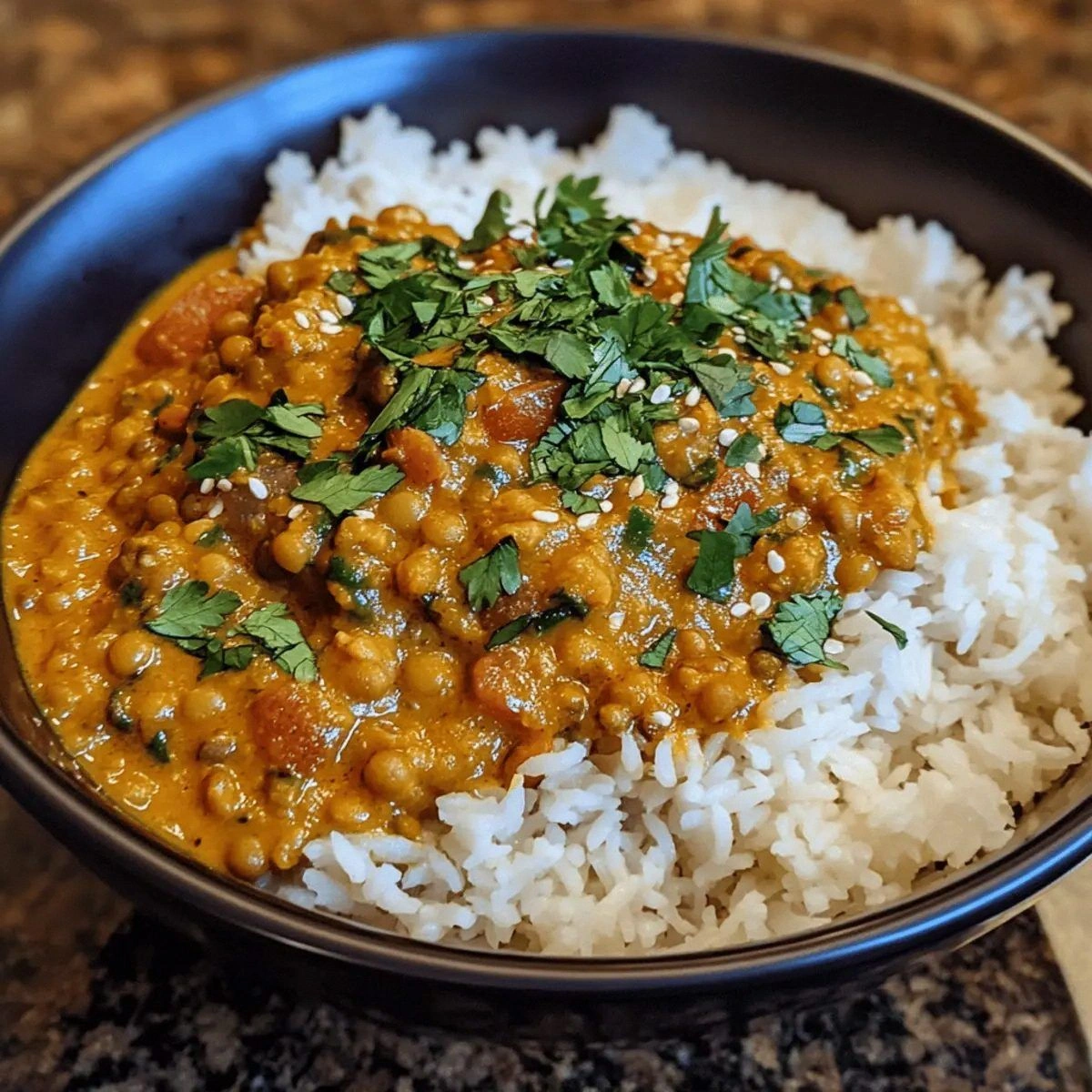
- Serve the curry hot over steamed rice or warm naan bread. Garnish with a drizzle of coconut milk, a sprinkle of fresh cilantro, or a wedge of lime for an extra burst of flavor. The dish is best enjoyed immediately, but it holds up wonderfully for a few hours if you’re a busy person.
That’s it — you did it. But hold on, I’ve got a few more tricks that will take this to another level. These are the secret touches that turn an already amazing dish into a showstopper.
Insider Tricks for Flawless Results
The Temperature Rule Nobody Follows
Cooking at low heat gives the lentils time to break down without becoming mushy. If you set the crockpot to high, the lentils can over‑cook and lose their shape. I’ve found that low heat for 4 to 5 hours gives the best texture. The slow heat also allows the spices to release their flavors gradually, creating a deeper, more complex taste.
Why Your Nose Knows Best
The aroma of toasted cumin seeds and fresh ginger is the first indicator that your curry is on the right track. If the smell is flat, you haven’t toasted the spices enough. A strong, nutty aroma means the spices have released their oils and are ready to infuse the lentils. Trust your nose; it’s a reliable guide to flavor.
The 5-Minute Rest That Changes Everything
After turning off the crockpot, let the curry rest for 5 minutes before serving. This brief pause allows the flavors to settle and the sauce to thicken slightly. It also gives the lentils a chance to re‑absorb some of the liquid, improving the overall mouthfeel. I’ve seen this trick turn a good curry into a great one.
The Final Lime Splash
Adding lime juice at the very end brightens the dish and balances the richness. The acidity cuts through the coconut milk and brings a fresh, zesty note. I always add the lime right before serving so that the flavor is sharp and lively.
The Quick Garnish Trick
A drizzle of coconut milk and a sprinkle of fresh cilantro give the curry a polished look. The cilantro adds a fresh herbal note that complements the spices, while the coconut milk gives a glossy sheen. These small touches make the dish look restaurant‑quality.
Creative Twists and Variations
This recipe is a playground. Here are some of my favorite ways to switch things up:
Spicy Peanut Edition
Add a tablespoon of creamy peanut butter and a pinch of cayenne pepper for a nutty, spicy twist. The peanut butter thickens the sauce slightly, while the cayenne gives a subtle heat that complements the curry powder. Serve over jasmine rice for a satisfying meal.
Mild Coconut‑Lemon Version
Replace the lime juice with fresh lemon juice and add a teaspoon of lemon zest. The lemon adds a bright, citrusy flavor that pairs beautifully with the coconut milk. This version is perfect for those who prefer a milder, more refreshing dish.
Vegetarian Protein Boost
Add a cup of cooked chickpeas or a handful of crumbled tofu for extra protein. The chickpeas absorb the sauce and add a hearty texture, while tofu offers a subtle, neutral flavor that lets the spices shine.
Sweet Potato Surprise
Dice a medium sweet potato and add it to the pot at the same time as the carrots. The sweet potato adds a natural sweetness and a silky texture that pairs well with the lentils. This variation makes the dish even more filling.
Herb‑Infused Variation
Stir in a handful of chopped fresh mint or basil before serving. The herbs bring a fresh, aromatic note that lifts the dish. This is a great way to add a burst of color and flavor.
Crispy Topping Delight
Top the finished curry with a handful of toasted coconut flakes or fried onions. The crunch adds texture and a caramelized flavor that contrasts the silky sauce. Sprinkle with a pinch of smoked paprika for a smoky undertone.
Storing and Bringing It Back to Life
Fridge Storage
Store leftovers in an airtight container in the refrigerator for up to 4 days. The curry will keep its flavor and texture, and the coconut milk may separate slightly; give it a good stir before reheating. Keep it on the top shelf to avoid any lingering fridge odors.
Freezer Friendly
The curry freezes well in a freezer‑safe container for up to 3 months. Thaw overnight in the refrigerator, then reheat on the stove or in the microwave. Add a splash of water or coconut milk to restore the sauce’s thickness if it has thickened too much.
Best Reheating Method
Reheat the curry on low heat, stirring frequently, until it reaches an internal temperature of 165°F (74°C). A small splash of water or coconut milk helps to steam the curry back to its original silky consistency. Finish with a squeeze of fresh lime for a bright finish.