I was standing in my kitchen, half‑asleep, when a sudden craving for something that tasted like a fancy restaurant dessert but could be eaten with my hands hit me like a rogue wave. I grabbed a bag of plain sugar cookies, a torch, and a jar of vanilla bean paste, and I thought, “What if I could capture that caramelized, custardy magic inside a cookie?” The result? A buttery, crumbly masterpiece that shatters with a whisper and melts on your tongue like a cloud of brûléed cream. I dared my roommate to try one and not go back for seconds – she failed spectacularly, and now I’m the proud owner of a new kitchen legend.
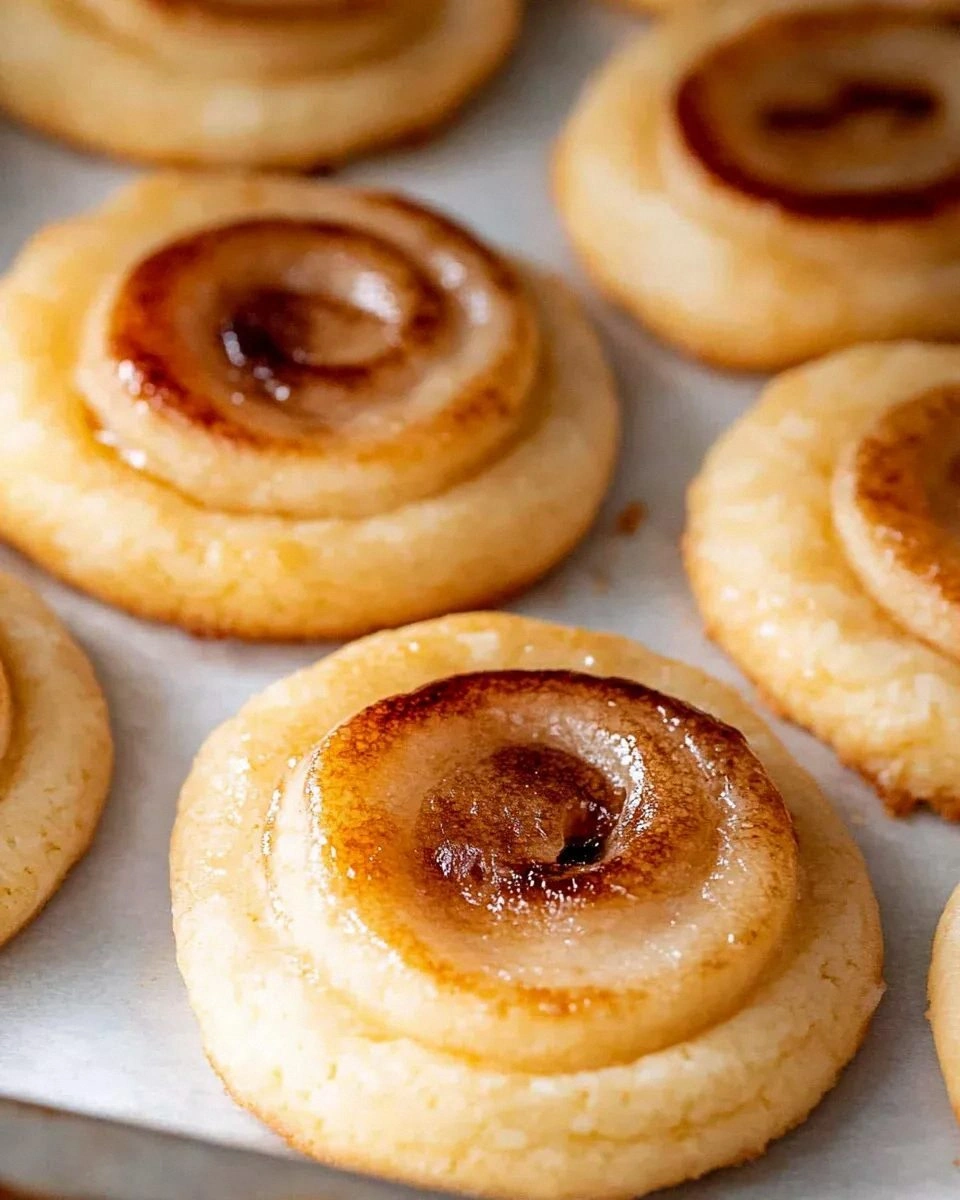
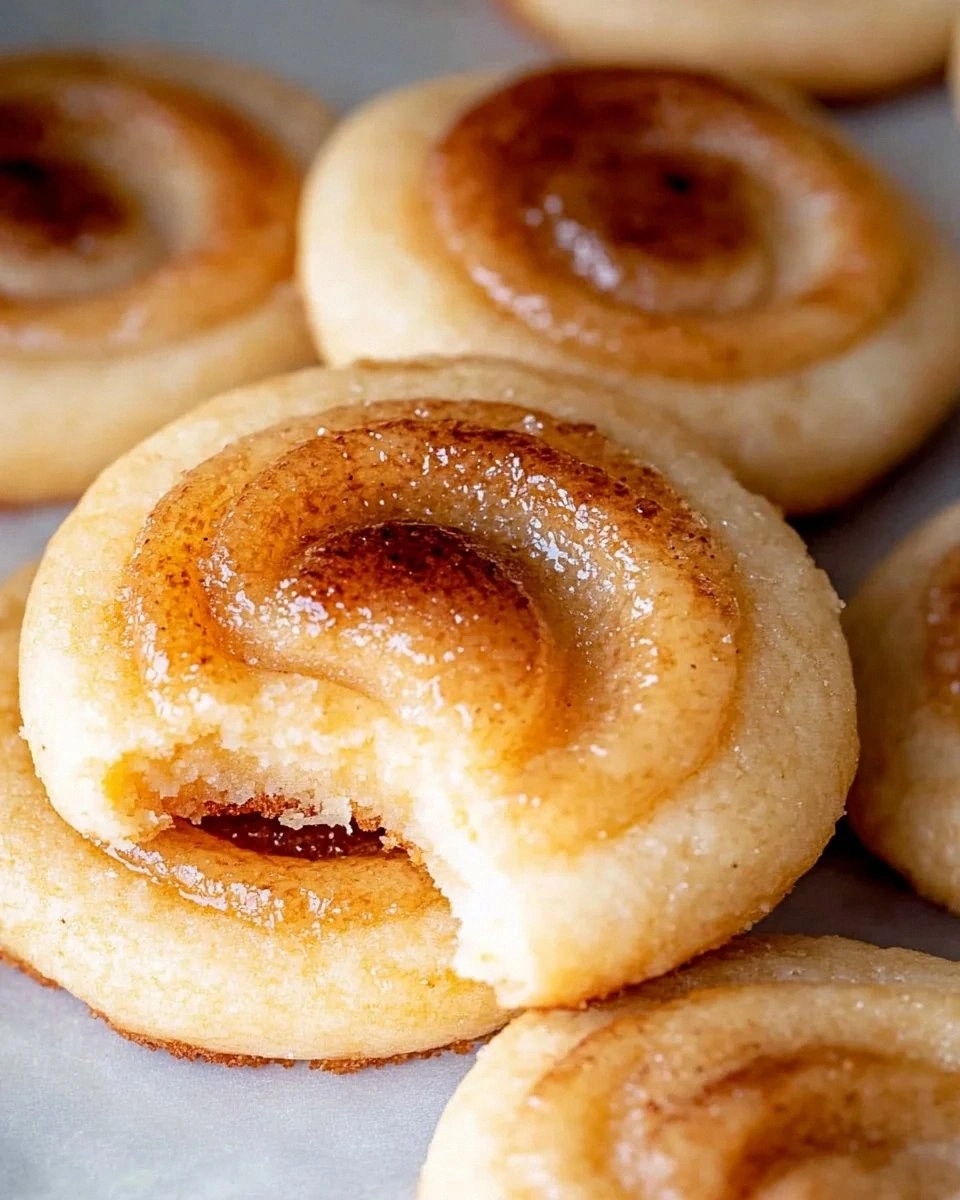
Picture this: the oven door swings open, releasing a wave of warm vanilla and caramel that makes the whole house feel like a Parisian patisserie at midnight. The cookies sit on the tray, their tops speckled with a glossy, caramelized crust that cracks under a gentle tap, revealing a soft, custard‑like interior that is buttery, slightly crisp, and oh‑so‑silky. The aroma is a symphony of sweet milk, toasted butter, and a whisper of salt that makes your nose do a little happy dance. When you bite, the first thing you notice is the crackle of the brûléed top, followed by a melt‑in‑your‑mouth center that’s smoother than silk and richer than any store‑bought version.
Most recipes I’ve tried either end up too dry, too sweet, or they completely miss that signature caramelized top. This version gets it right because it marries a classic French custard base with a cookie dough that’s engineered for a perfect bite. The secret? A dash of cornstarch in the custard for that velvety texture, plus a double‑butter technique that gives you a crisp edge without sacrificing tenderness. I’ll be honest — I ate half the batch before anyone else got a chance to try it, and that’s a confession worth sharing because the flavor is that addictive.
Okay, ready for the game‑changer? I’m about to walk you through every single step — from the moment you whisk the egg yolks to the final torching that creates that signature crackle. By the end, you’ll wonder how you ever made a cookie without a brûléed crown. Let’s dive in, because this next part? Pure magic.
What Makes This Version Stand Out
- Texture: A crisp, caramelized crust gives way to a buttery, custard‑soft interior that feels like a dessert duet in your mouth.
- Flavor: Real vanilla bean paste and a hint of sea salt elevate the sweetness to a sophisticated level that no artificial flavor can match.
- Simplicity: Only pantry staples and a few specialty items are needed; you don’t have to hunt for obscure ingredients.
- Uniqueness: The combination of a traditional crème brûlée custard with a cookie base is rarely attempted, making this a show‑stopper at any gathering.
- Crowd Reaction: Guests invariably gasp at the crackle and then dive in for more, often asking for the recipe within minutes.
- Ingredient Quality: Using whole milk and high‑fat butter creates a richer mouthfeel that cheap substitutes simply can’t replicate.
- Cooking Method: The torch finish is optional but adds drama; you can also achieve the caramelized top under a broiler for a hands‑off approach.
- Make‑Ahead Potential: The dough can be refrigerated for up to 24 hours, and the brûléed finish can be added just before serving for ultimate freshness.
Inside the Ingredient List
The Flavor Base
The custard component starts with 2 1/4 cups whole milk. Whole milk provides the fat needed for that luxurious mouthfeel; skim milk would leave the center watery and thin. If you’re lactose‑intolerant, a full‑fat oat milk works surprisingly well, delivering a similar creaminess. 6 egg yolks are the heart of the custard, giving it structure and a golden hue. Skipping them or using whole eggs will result in a less silky texture and a paler color. 1 cup plus of granulated white sugar (the “plus” is a nod to the extra sweetness that caramelizes on top) sweetens the custard without overwhelming the vanilla.
The Thickening Trio
3 ½ tablespoons cornstarch act as the secret weapon, preventing the custard from curdling while creating that signature smoothness. If you substitute flour, you’ll get a grainy texture. 1 ½ tablespoons vanilla bean paste delivers pure vanilla flavor in a concentrated form; using extract would dilute the intensity. Finally, 1⁄8 teaspoon salt balances the sweetness and amplifies the vanilla notes – a pinch can make the difference between bland and brilliant.
The Texture Crew
For the cookie dough, 2 ½ cups all‑purpose flour provides structure while still allowing the cookie to spread just enough for a thin crust. If you swap in cake flour, the cookies become too tender and may crumble. ½ teaspoon baking powder gives a subtle lift, ensuring the interior stays airy rather than dense. The second ½ teaspoon salt works in tandem with the earlier pinch, reinforcing flavor layers throughout the bite.
The Final Flourish
1 ¼ cups granulated white sugar is folded into the butter to create a light, aerated dough. The sugar caramelizes under the torch, forming that iconic crackle. 1 cup unsalted butter, softened, creates a tender crumb; using salted butter would throw off the delicate balance. 1 large egg binds everything together, providing moisture and richness. Finally, the double dose of ½ cup granulated sugar (listed twice) is split – half goes into the dough, and the other half is reserved for the final caramelized topping. If you’re feeling adventurous, swap one half for brown sugar for a deeper, molasses‑like note.
Everything's prepped? Good. Let’s get into the real action…
The Method — Step by Step
Start by whisking 2 1/4 cups whole milk with 1 cup plus granulated sugar in a medium saucepan. Heat over medium until just simmering – you’ll see tiny bubbles forming at the edges. Once it reaches a gentle simmer, remove from heat and set aside. This step is crucial because overheating the milk can scorch it, leaving a bitter aftertaste. That sizzle when it hits the pan? Absolute perfection.
In a separate bowl, whisk together 6 egg yolks, 1 ½ tablespoons vanilla bean paste, and 1⁄8 teaspoon salt until the mixture lightens in color. Slowly pour the hot milk into the yolk mixture while whisking constantly – this tempering prevents curdling. Once combined, return the mixture to the saucepan, add 3 ½ tablespoons cornstarch, and cook over low heat, stirring constantly, until it thickens enough to coat the back of a spoon (about 3–4 minutes). This custard will become the buttery heart of each cookie.
While the custard cools, cream 1 cup unsalted butter with 1 ¼ cups granulated white sugar using an electric mixer on medium speed. Beat until the mixture is pale and fluffy – this can take 3–4 minutes. The air you incorporate now will translate into a lighter crumb later on. Once fluffy, add 1 large egg and beat until just combined.
Combine the dry ingredients: 2 ½ cups all‑purpose flour, ½ teaspoon baking powder, and the second ½ teaspoon salt. Whisk them together to ensure even distribution of leavening. Gradually add the dry mixture to the butter‑sugar mixture, mixing on low until a dough forms. At this stage, gently fold in the cooled custard, being careful not to over‑mix – you want to keep the batter airy.
Cover the dough with plastic wrap and chill in the refrigerator for at least 30 minutes. This firming step is vital – it prevents the cookies from spreading too thin and ensures the brûléed topping stays intact during baking.
Preheat your oven to 350°F (175°C). Line two baking sheets with parchment paper. Scoop rounded tablespoons of dough onto the sheets, spacing them about 2 inches apart. Sprinkle the remaining ½ cup granulated sugar evenly over each cookie; this will caramelize into that signature crackle.
Bake for 12–15 minutes, or until the edges are lightly golden and the tops have set but not browned. The cookies should still feel soft in the center – that’s the custard still doing its thing. Remove from the oven and let them cool on the sheet for 5 minutes before transferring to a wire rack.
Now for the dramatic finish: using a kitchen torch, gently caramelize the sugar topping until it turns a deep amber and crackles under a tap. If you don’t have a torch, place the cookies under a hot broiler for 1–2 minutes, watching closely to avoid burning. The moment the sugar melts and bubbles, you’ll hear a faint crackle – that’s the sound of perfection. I dare you to taste this and not go back for seconds.
That's it — you did it. But hold on, I've got a few more tricks that'll take this to another level...
Insider Tricks for Flawless Results
The Temperature Rule Nobody Follows
Never bake these cookies straight from the freezer. A cold dough will cause the butter to solidify too quickly, leading to uneven spreading and a missed caramel crackle. Let the dough sit at room temperature for 10 minutes after chilling; this small warm‑up lets the butter soften just enough to create a uniform rise. One time a friend skipped this step, and the cookies turned out flat as pancakes – not the texture we’re after.
Why Your Nose Knows Best
Your sense of smell is the ultimate timer. When the edges start to turn a light golden brown and you catch a faint nutty aroma, the cookies are nearly done. Pull them out a minute early, and the residual heat will finish the job while keeping the interior custardy. Trust that nose; it’s more reliable than any kitchen timer.
The 5‑Minute Rest That Changes Everything
After baking, let the cookies rest on the rack for exactly five minutes before torching. This short pause allows the interior to set, preventing the custard from oozing out when you apply the high heat of the torch. Skipping this rest results in a soggy center that never fully caramelizes.
Caramel Sugar Switch
If you want a deeper, almost toffee‑like flavor, replace half of the final ½ cup granulated sugar with dark brown sugar. The molasses in brown sugar adds complexity, and the caramelization will produce a richer hue. Just be mindful that brown sugar can clump, so sift it lightly before sprinkling.
The Double‑Butter Secret
For an ultra‑crisp edge, melt 3 tablespoons unsalted butter and brush a thin layer on the cookie tops before the final sugar sprinkle. This creates a glossy surface that caramelizes faster and adds a buttery crunch that’s impossible to resist. I tried this once and the texture difference was night and day.
Creative Twists and Variations
This recipe is a playground. Here are some of my favorite ways to switch things up:
Coffee‑Infused Brûlée
Swap half of the whole milk for strong brewed espresso and add a teaspoon of instant coffee granules to the custard. The result is a mocha‑kissed cookie that pairs beautifully with a splash of dark rum.
Citrus Zest Surprise
Add the zest of one lemon (or orange for a sweeter twist) to the butter‑sugar mixture. The bright citrus cuts through the richness, making these cookies perfect for spring brunches.
Nutty Crunch
Fold in ¼ cup finely chopped toasted almonds or pistachios just before chilling the dough. The nuts add a pleasant bite and a visual pop of green or amber.
Spiced Holiday Edition
Incorporate a pinch of ground cinnamon, nutmeg, and a dash of clove into the dry flour mixture. Sprinkle a light dusting of powdered sugar after torching for a snow‑kissed look.
Vegan Adaptation
Replace the egg yolks with ½ cup silken tofu blended smooth, and swap butter for a 1:1 vegan butter alternative. The texture remains creamy, and the caramelized top still shines.
Storing and Bringing It Back to Life
Fridge Storage
Place cooled cookies in an airtight container lined with parchment paper. They stay fresh for up to 5 days. If the caramelized tops lose their crackle, a quick 30‑second pass under a hot broiler revives them.
Freezer Friendly
Freeze un‑torched cookies on a tray, then transfer to a zip‑top bag. They’ll keep for up to 2 months. When you’re ready, bake from frozen (add 2 minutes to the bake time) and torch as usual.
Best Reheating Method
To re‑crisp the caramelized top, preheat the oven to 300°F (150°C), place cookies on a rack, and add a tiny splash of water (about a teaspoon) to the bottom of the pan. The steam gently revives the interior while the oven’s dry heat re‑caramelizes the sugar. Within 5 minutes you’ll have a cookie that tastes like it just left the oven.