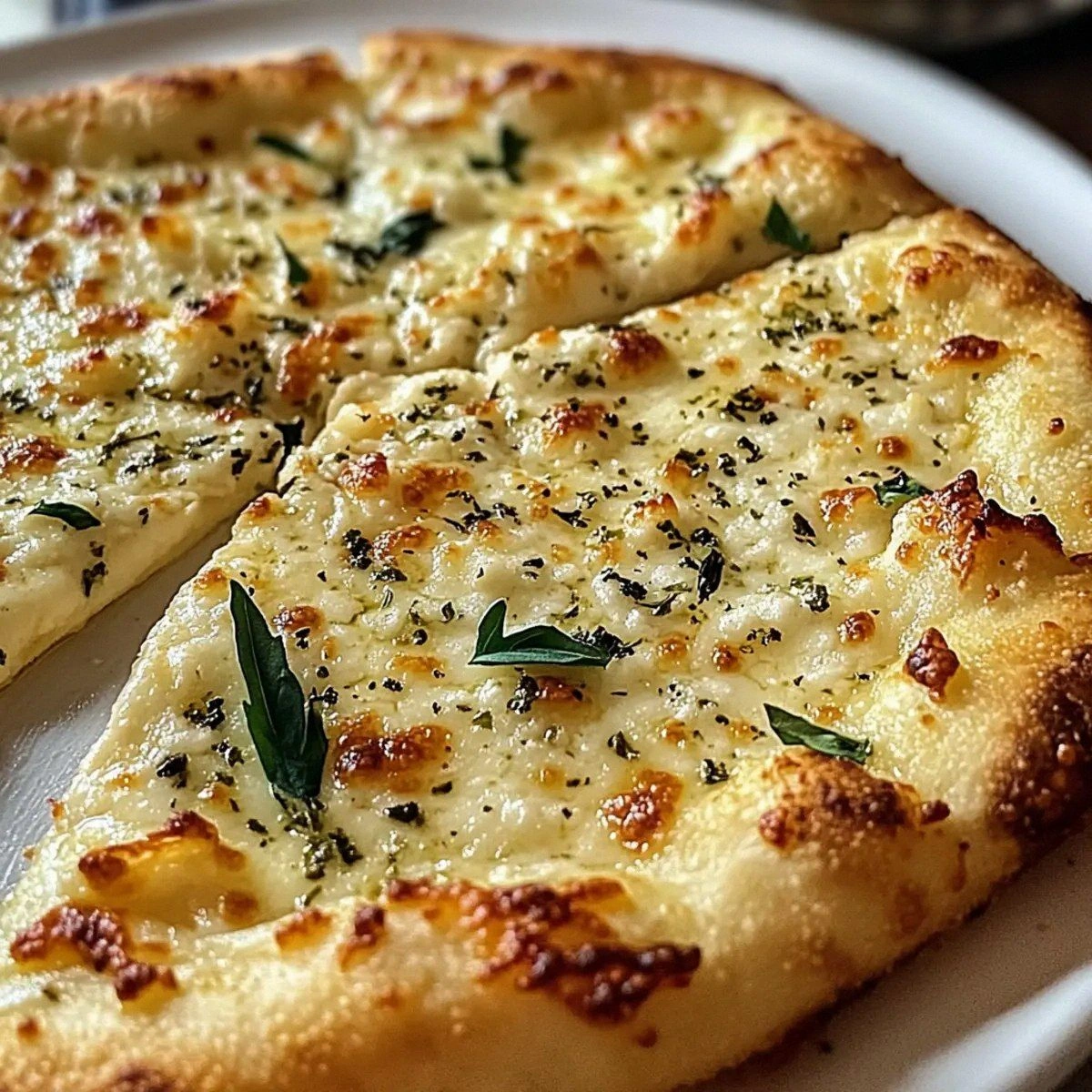
I was sitting in my kitchen on a rainy Tuesday, staring at a half‑finished cheesecake that had somehow turned into a soggy mess. The crust was a mushy disappointment, the filling a lukewarm puddle, and I could practically hear my stomach growling in protest. In that moment of culinary despair, a friend texted me a picture of a golden‑brown, puff‑like casserole that looked like a cross between a breakfast pastry and a dessert dream. I dared myself to recreate it, and the result was nothing short of a revelation: Cheesecake Crescent Rolls Casserole – a dish that takes the buttery layers of crescent rolls, swirls them with a velvety cream cheese filling, and crowns everything with a cinnamon‑sugar crunch that sings with every bite.
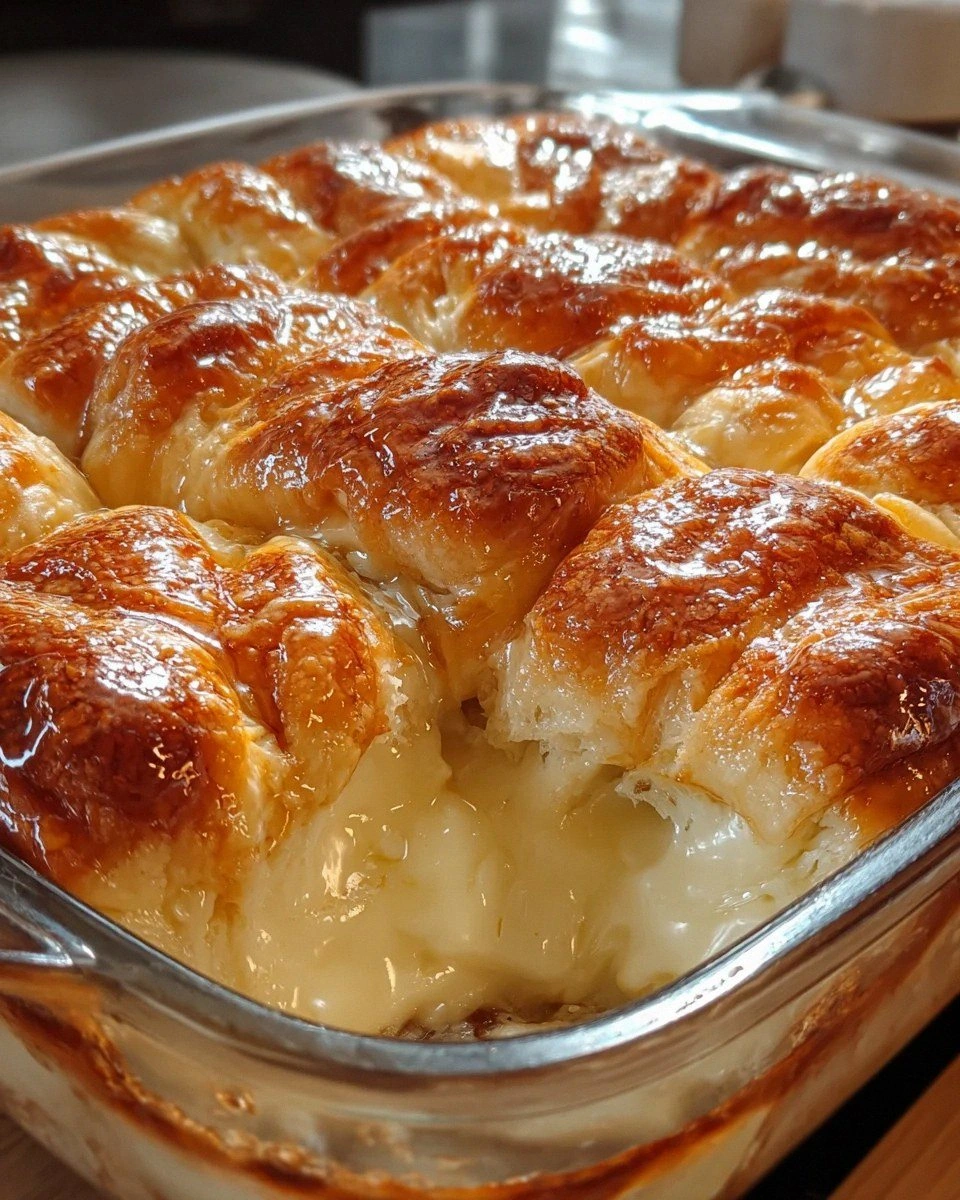
Picture this: the oven door swings open and a cloud of sweet, buttery aroma spills into the room, hugging the air like a warm blanket. The top is a glossy, caramelized sheet that crackles softly when you tap it, while the interior is a soft, pillowy sea of creamy cheesecake that oozes just enough to make a fork glide effortlessly. You hear the faint sigh of the dough as it releases steam, you feel the heat radiating from the pan, and you taste that perfect balance of tangy cream cheese against the sweet, spiced topping. It’s a symphony of textures and flavors that makes you want to shout, “I dare you to taste this and not go back for seconds!”
What makes this version truly stand out is the way it respects the integrity of each component. Most recipes either drown the crescent roll in a soupy filling or bake the cheese into a dense cake that never gets that flaky, buttery edge. Not this one. Here, the dough stays crisp on the outside, yet remains tender inside, acting like a buttery cradle for the cheesecake core. The secret? A simple technique of gently sealing the dough around the filling and brushing it with melted butter before the final bake, which creates a golden, glossy finish that would make a professional pastry chef blush.
And because I love a good surprise, I’m going to reveal a little twist that most cooks miss: a dash of vanilla extract folded into the cream cheese mixture, which adds a warm, aromatic depth that lifts the whole dish from “good” to “hands down the best version you’ll ever make at home.” Okay, ready for the game‑changer? Let me walk you through every single step — by the end, you’ll wonder how you ever made it any other way.
What Makes This Version Stand Out
- Flaky Base: Two cans of refrigerated crescent roll dough create a buttery, flaky foundation that stays crisp even after the bake, giving each bite a satisfying crunch that contrasts beautifully with the creamy interior.
- Velvety Filling: A full 16‑ounce block of softened cream cheese, sweetened just right, delivers that smooth, melt‑in‑your‑mouth texture you associate with classic cheesecake, but without the heaviness of a traditional crust.
- Sweet & Spicy Topping: The cinnamon‑sugar blend adds a warm, aromatic spice that cuts through the richness, while the melted butter brushed on top creates a caramelized sheen that’s pure visual appeal.
- Simplicity Meets Sophistication: You only need a handful of pantry staples and two cans of dough, yet the result feels like something you’d order at a boutique bakery.
- Crowd‑Pleaser: Whether you’re serving brunch, a holiday brunch buffet, or a post‑dinner dessert, this casserole draws compliments and empty plates alike – I’ll be honest — I ate half the batch before anyone else got to try it.
- Make‑Ahead Magic: Assemble the night before, refrigerate, and pop it in the oven in the morning. The flavors meld overnight, making the final bake even more fragrant and cohesive.
Inside the Ingredient List
The Flavor Base
The cream cheese is the heart of this casserole. Using a full‑fat, 16‑ounce block ensures a rich, tangy flavor that’s smooth enough to melt into the dough without separating. If you skimp on the fat, you’ll end up with a grainy texture that feels more like a low‑quality spread than a luxurious filling. For a lighter version, you could substitute half the cream cheese with Greek yogurt, but expect a slightly tangier taste and a less decadent mouthfeel.
The Sweetening Squad
A cup of granulated sugar sweetens the cream cheese to just the right level, while the additional two tablespoons mixed with a tablespoon of cinnamon create a crunchy topping that caramelizes beautifully. Skip the extra sugar and you’ll lose that caramel snap; add a pinch more and you risk a burnt top. If you prefer a deeper flavor, swap half the sugar for brown sugar – the molasses notes will complement the cinnamon perfectly.
The Texture Crew
Two cans of refrigerated crescent roll dough bring that flaky, buttery texture we all crave. The dough’s layers separate during baking, creating a puff that’s airy on the inside and crisp on the outside. If you can’t find the classic brand, look for any “puff pastry” style dough that lists butter as the first ingredient – the flavor profile will stay true.
The Final Flourish
A quarter cup of melted unsalted butter brushed over the top just before baking gives the casserole a glossy, golden finish that’s impossible to resist. The butter also helps the cinnamon‑sugar topping adhere, forming a crunchy crust that shatters like thin ice when you bite into it. For a nutty twist, swap half the butter for melted coconut oil; it adds a subtle tropical note without overpowering the classic flavor.
Everything's prepped? Good. Let's get into the real action...
The Method — Step by Step
Preheat your oven to 350°F (175°C) and grease a 9‑inch square baking dish with a thin layer of butter. As the oven warms, the kitchen fills with a faint, buttery scent that hints at the golden transformation about to happen. This is the moment of truth – if you’re not feeling that anticipation, you’re doing it wrong.
While the oven heats, unroll both cans of crescent dough onto a lightly floured surface. Gently press the seams together so you have one continuous sheet; this prevents any unwanted gaps where the filling could escape.
In a large mixing bowl, beat the softened 16‑ounce cream cheese with an electric mixer on medium speed until it’s smooth and free of lumps. Add the cup of granulated sugar and continue beating until the mixture is light and airy – think cloud‑like, not gritty.
Stir in the teaspoon of vanilla extract; this tiny addition is pure magic, giving the filling a warm, aromatic backdrop that makes the whole casserole feel home‑cooked.
Lay the flattened crescent dough in the bottom of the prepared baking dish, pressing it gently to cover the entire surface, allowing a slight overhang on the sides. This overhang will later fold over the filling, sealing in the creamy goodness.
Spread the cream cheese mixture evenly over the dough, stopping about a half‑inch from the edges. The filling should be about a quarter‑inch thick – not too thin, or you’ll miss the luxurious texture; not too thick, or it could overflow during baking.
Fold the overhanging dough edges over the filling, meeting in the center to create a rustic, sealed “casserole” top. Pinch the seams gently to ensure no gaps; this is where the buttery crust will lock in steam, creating that coveted puff.
In a small bowl, combine the tablespoon of ground cinnamon with the two tablespoons of granulated sugar. Sprinkle this mixture evenly over the folded dough. The cinnamon will toast as the casserole bakes, releasing a fragrant, sweet spice that fills the kitchen.
Melt the quarter cup of unsalted butter in a microwave‑safe dish or small saucepan. Using a brush, coat the entire surface of the casserole with the melted butter, making sure to reach every crevice. This step creates a glossy, golden finish that’s both beautiful and delicious.
Place the dish in the preheated oven and bake for 25‑30 minutes, or until the edges are puffed, the top is a deep golden brown, and a toothpick inserted near the center comes out clean (a few crumbs are fine). You’ll hear a faint crackle as the dough releases steam – that’s the sound of perfection.
Once done, remove from the oven and let it rest for 10 minutes. This rest period allows the filling to firm up slightly, making slicing easier and keeping those beautiful layers intact.
That’s it — you did it. But hold on, I’ve got a few more tricks that'll take this to another level...
Insider Tricks for Flawless Results
The Temperature Rule Nobody Follows
Always let the cream cheese sit at room temperature for at least 30 minutes before mixing. If you try to beat cold cheese, you’ll end up with a lumpy filling that never fully integrates with the sugar. This small patience step ensures a silky, homogeneous batter that spreads evenly and bakes without pockets of raw cheese.
Why Your Nose Knows Best
When the cinnamon‑sugar topping starts to smell nutty and slightly toasted (about 15 minutes into the bake), that’s your cue that the crust is forming perfectly. Trust that aromatic cue more than the timer – ovens vary, and the scent is a reliable indicator of caramelization.
The 5‑Minute Rest That Changes Everything
After you pull the casserole from the oven, let it sit uncovered for five minutes before slicing. This short rest allows steam to escape, preventing a soggy bottom and giving the crust a chance to set, resulting in cleaner slices and a more defined texture.
Butter Brush Technique
Instead of drizzling butter, use a silicone pastry brush and apply the melted butter in a circular motion, overlapping each stroke. This method ensures an even coating and creates those tiny, buttery bubbles that pop delightfully in your mouth.
The “Don’t Rush” Cool‑Down
Resist the urge to cut into the casserole immediately. Letting it cool on a wire rack for at least 10 minutes prevents the filling from spilling out, and it also allows the flavors to meld, making each bite more harmonious.
Creative Twists and Variations
This recipe is a playground. Here are some of my favorite ways to switch things up:
Berry Burst
Fold a cup of fresh mixed berries (blueberries, raspberries, strawberries) into the cream cheese mixture before spreading. The berries burst during baking, adding juicy pockets of tartness that contrast beautifully with the sweet cinnamon topping.
Chocolate Lover’s Dream
Stir in ½ cup of semi‑sweet chocolate chips into the filling and sprinkle a drizzle of melted chocolate over the top after baking. The molten chocolate ribbons through the creamy center, turning the dish into a decadent dessert for chocoholics.
Pumpkin Spice Autumn
Replace half the granulated sugar with pumpkin puree and add a pinch of nutmeg and cloves to the cinnamon blend. This seasonal spin gives the casserole a velvety pumpkin flavor that’s perfect for a cozy fall brunch.
Savory Sunrise
Swap the vanilla for a teaspoon of dried thyme and add a cup of shredded cheddar into the filling. Top with a sprinkle of cracked black pepper instead of cinnamon. You’ve just turned a dessert into a savory breakfast casserole that pairs wonderfully with a crisp apple juice.
Nutty Crunch
Mix a quarter cup of toasted chopped pecans into the cinnamon‑sugar topping. The nuts add an extra layer of crunch and a buttery, nutty flavor that elevates the texture profile.
Storing and Bringing It Back to Life
Fridge Storage
Allow the casserole to cool completely, then cover it tightly with plastic wrap or a reusable silicone lid. Store in the refrigerator for up to three days. When you’re ready to serve, reheat individual slices in a preheated 300°F oven for 10‑12 minutes, or microwave for 30‑45 seconds.
Freezer Friendly
Wrap the cooled casserole tightly in aluminum foil, then place it in a freezer‑safe bag. It will keep for up to two months. To reheat, thaw overnight in the fridge, then bake at 350°F for 20‑25 minutes, adding a splash of water to the pan before covering with foil to retain moisture.
Best Reheating Method
For the crispiest top, reheat in a conventional oven rather than a microwave. Brush a thin layer of melted butter over the surface before reheating, and add a tablespoon of water to the bottom of the pan; the steam created will revive the fluffy interior while the butter restores that golden crust.