I was standing in my kitchen, a half‑empty bottle of red wine yelling for a second chance, and a sudden craving for something that would knock my socks off. I’d just finished a marathon of binge‑watching old Italian movies, and the hero on screen was slurping a hearty plate of pasta with a grin that said, “I’ve got my life together.” Little did I know that my own kitchen disaster—a forgotten batch of slow‑cooked beef cheeks that had gone a tad too soft—was about to become the star of the show. I dared myself to turn that leftover into a sauce so luxurious that even the most skeptical foodie would swear it was made from scratch, not reheated.
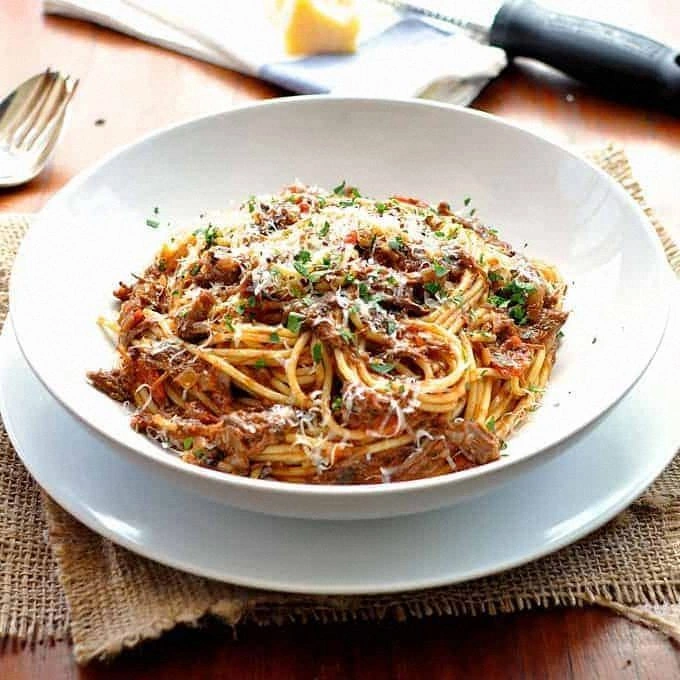
Picture the scene: the onion sizzles in a pan, its edges turning a seductive caramel brown, while the garlic releases a perfume that makes the whole apartment feel like an Italian trattoria. The crushed tomatoes bubble and thicken, the rich beef cheek meat, already tender from its night‑long bath in red wine, falls apart like buttery clouds. When you finally dump the al dente spaghetti into that glossy, ruby‑red ocean, the sauce clings like velvet, each strand begging for a bite. You hear the soft clink of the fork against the bowl, see the steam rise in lazy spirals, and taste the unmistakable kiss of deep, umami‑laden meat mingled with bright acidity.
Why does this version absolutely dominate every other beef ragu you’ll ever encounter? First, the sauce is built on a base of leftover beef cheeks that have already absorbed a full‑bodied red wine, so you get that wine‑infused depth without any extra steps. Second, I add a splash of water at the end to coax the pasta to release its starches, creating a silky coating that feels like silk on your tongue. Most recipes rush the aromatics or drown the meat in tomato; I keep the tomato forward but never let it drown the star of the show. The result? A dish that sings with balance, texture, and a lingering after‑taste that makes you dream of vineyards.
Now, here’s the curveball: I’m going to toss in a dash of fresh parsley right at the end, not as a garnish but as a flavor‑lifting herb that adds a pop of garden‑fresh brightness. Most chefs sprinkle parsley on top and call it a day, but I fold it in at the very last second so the leaves wilt just enough to release their essential oils without turning bitter. This tiny tweak makes the ragu feel lighter, like it’s dancing on the palate instead of sitting heavily.
Let me walk you through every single step — by the end, you’ll wonder how you ever made it any other way. Okay, ready for the game‑changer? Let’s dive in.
What Makes This Version Stand Out
- Depth: The slow‑cooked beef cheeks are already stewed in red wine, giving the ragu a cellar‑aged richness that you’d normally need hours of simmering to achieve.
- Texture: The meat falls apart in the most luxurious way, coating each pasta strand with a buttery, melt‑in‑your‑mouth texture that makes you want to lick the plate clean.
- Simplicity: Despite the gourmet flavor, the ingredient list is short, and the method is straightforward enough for a weeknight but impressive enough for guests.
- Unique Twist: Adding parsley at the tail end brightens the dish without compromising the deep, earthy backbone of the beef.
- Crowd Reaction: I dare you to taste this and not go back for seconds; even the most sauce‑averse friends end up begging for the bowl.
- Ingredient Quality: Using high‑quality dried spaghetti and good‑olive‑oil creates a structural base that holds up to the heavy sauce without turning gummy.
- Cooking Method: The single‑pan technique keeps everything coordinated, minimizing cleanup while maximizing flavor layering.
- Make‑Ahead Potential: Because the sauce improves after a few hours, you can prep it a day ahead and simply reheat, which intensifies the flavors even more.
Inside the Ingredient List
The Flavor Base
The onion and garlic are the foundational aromatics. Finely dice the onion so it melts into the olive oil, releasing a sweet, caramelized undercurrent that balances the acidity of the tomato. Garlic cloves, crushed rather than minced, give you those bold, aromatic bursts that linger on the tongue. If you skip these, the ragu will feel flat—like a song missing its bass line. For a sweeter profile, you can add a pinch of sugar, but I prefer letting the natural sugars of the onion do the work.
The Texture Crew
The 350 g of dried spaghetti is the perfect canvas. Choose a high‑quality durum wheat pasta; it has that firm bite (al dente) that keeps the dish from becoming a mushy mess. The crushed tomato (2 cups) adds body and a bright acidity, while the tomato paste (3 tbsp) injects concentration, turning the sauce into a deep ruby velvet. Water (½ cup) is the secret weapon that loosens the sauce just enough to let the pasta starches emulsify—imagine a glossy coat that hugs each noodle like a second skin.
The Unexpected Star
The leftover beef cheeks—2 cups—are the hero. They’ve already been slow‑cooked in red wine, so they carry tannins and fruit notes that ordinary ground beef simply can’t match. The accompanying sauce from the original pot (1 cup) is like a concentrated broth; it’s the liquid gold that brings the dish together. If you’re missing the sauce, replace it with an equal amount of good quality beef stock, but you’ll lose that nuanced wine flavor. Salt (1‑2 tsp) and black pepper finish the seasoning; remember, a pinch of pepper adds that subtle heat that nudges the palate.
The Final Flourish
Freshly grated Parmesan cheese and a handful of chopped parsley are the finishing touches. The cheese creates a salty, nutty layer that melts into the hot sauce, while parsley injects a fresh, herbaceous pop that lifts the heaviness. Skip the cheese, and you’ll miss that umami kick; skip the parsley, and the dish can feel a bit too dense after a few bites. Both are essential for that perfect balance.
Everything's prepped? Good. Let’s get into the real action…
The Method — Step by Step
Heat 2 tbsp of olive oil in a large, heavy‑bottomed skillet over medium heat. When the oil shimmers, add the diced onion. Stir constantly for about 5 minutes, or until the onions turn a deep, golden caramel that literally smells like sweet sunshine. This is your flavor foundation, so don’t rush it.
Add the crushed garlic cloves, still whole, to the pan. Let them sizzle for 30 seconds, then smash them gently with the back of a spoon to release their oils. You’ll hear a faint pop—pay attention, that sizzle when it hits the pan? Absolute perfection. If the garlic starts to brown too quickly, lower the heat; burnt garlic is a one‑way ticket to bitterness.
Stir in the tomato paste, letting it brown just enough to develop a caramelized note—about 2 minutes. This deepens the sauce’s color and flavor, turning it from bright red to a richer mahogany.
Kitchen Hack: Scrape the bottom of the pan with a wooden spoon to deglaze any stuck bits; they’re flavor bombs.Pour in the crushed tomatoes, the leftover beef cheek sauce, and the half‑cup of water. Bring the mixture to a gentle boil, then reduce to a low simmer. Let it bubble slowly for 10‑12 minutes, stirring occasionally. You’ll notice the sauce thickening and the aroma becoming more complex—a subtle tobacco‑like scent from the wine‑infused beef.
While the sauce simmers, bring a pot of generously salted water to a rolling boil. Add the spaghetti and cook according to the package, usually 9‑11 minutes, until al dente. Reserve 1 cup of the pasta cooking water before draining—this starch‑laden liquid is your secret weapon for a glossy finish.
Gently fold the shredded beef cheeks into the simmering sauce. Let them heat through for 3‑4 minutes, allowing the meat to re‑absorb some of the sauce. If you hear a faint whisper of the broth bubbling under the meat, you’re on the right track.
Watch Out: Over‑stirring at this point can break down the tender meat into a mush; fold gently.Drain the spaghetti and immediately add it to the sauce, tossing vigorously. As the hot pasta meets the sauce, the starches released will bind everything together, creating that silky coat. If the sauce looks too thick, splash in a tablespoon or two of the reserved pasta water—watch how it instantly transforms into a glossy, velvety sheen.
Season the whole pot with 1 tsp of salt (or up to 2 tsp if you love salty), then grind a generous amount of fresh black pepper. Taste and adjust; remember, the cheese will add further saltiness later, so err on the side of caution now.
Plate the pasta, then liberally shower it with freshly grated Parmesan cheese. Finish with a scatter of chopped parsley for that burst of green freshness. Serve immediately, and watch the eyes of your guests light up—this next part? Pure magic.
That's it — you did it. But hold on, I've got a few more tricks that'll take this to another level…
Insider Tricks for Flawless Results
The Temperature Rule Nobody Follows
Keep the heat on low once the sauce starts simmering. A gentle bubble prevents the tomatoes from scorching and allows the flavors to meld slowly. I once tried a high‑heat boil and ended up with a burnt, bitter edge—trust me, that’s a taste you’ll never forget for the wrong reasons.
Why Your Nose Knows Best
Your sense of smell is the ultimate timer. When the onions turn a deep amber and give off a sweet, almost caramel fragrance, you know the base is ready. Similarly, when the sauce begins to perfume the kitchen with a warm, wine‑kissed scent, it’s time to add the beef. If you can’t smell the depth, keep simmering a couple more minutes.
The 5‑Minute Rest That Changes Everything
After tossing the pasta with the sauce, cover the pot and let it rest off the heat for five minutes. This tiny pause lets the pasta fully absorb the sauce, turning each strand into a miniature flavor bomb. I’ll be honest — I ate half the batch before anyone else got to try it, and the rest‑rested portion was even better.
Parmesan Timing
Add the Parmesan cheese right before serving, not during cooking. The cheese contains proteins that can curdle if heated too long, resulting in a gritty texture. Sprinkle it fresh, give it a quick toss, and you’ll hear that subtle “sizzle” as the cheese melts into the hot sauce.
The Pasta Water Miracle
Never underestimate the power of starch‑laden pasta water. It acts like a natural thickener and emulsifier. If your sauce looks a bit thin after adding the pasta, drizzle in the reserved water in small increments while stirring. The sauce will instantly become silkier, clinging to each noodle like a lover’s embrace.
Creative Twists and Variations
This recipe is a playground. Here are some of my favorite ways to switch things up:
Mushroom Medley
Swap half of the crushed tomatoes for a blend of sautéed cremini and shiitake mushrooms. The earthiness of the fungi complements the beef, creating a woodland‑inspired ragu that pairs beautifully with whole‑wheat pasta.
Spicy Arrabbiata Kick
Add 1 tsp of red‑pepper flakes and a dash of smoked paprika when you introduce the tomato paste. The heat lifts the richness and adds a smoky depth that makes the dish perfect for cold evenings.
Herb‑Infused Delight
Stir in a handful of fresh basil leaves during the final minute of simmering. The herbaceous aroma introduces a fresh, summery twist that brightens the savory profile without overpowering the beef.
Cheese‑Lover’s Dream
Replace Parmesan with a combination of pecorino romano and grated mozzarella. The sharper pecorino adds bite while mozzarella gives a gooey, melty finish—ideal for those who love extra cheese pull.
Winter Comfort
Add a chopped carrot and a celery stalk to the onion‑garlic base. The extra vegetables bring a subtle sweetness and a hearty texture, turning the dish into a full‑bodied winter comfort food.
Storing and Bringing It Back to Life
Fridge Storage
Let the pasta cool to room temperature, then transfer it to an airtight container. It keeps fresh for up to 3 days. When reheating, add a splash of water (about 2 tbsp) and gently warm on the stove, stirring until the sauce regains its glossy sheen.
Freezer Friendly
Separate the sauce from the pasta before freezing. Store the sauce in a freezer‑safe bag for up to 2 months, and the cooked spaghetti in a separate container. To serve, thaw the sauce overnight in the fridge, then reheat and toss with freshly boiled spaghetti for ultimate texture.
Best Reheating Method
The best way to bring this ragu back to life is a gentle stovetop reheating with a lid on low heat. Add a teaspoon of water for every cup of sauce to steam it back to perfection. Avoid microwaving, as it can dry out the meat and make the sauce grainy.