I was standing in my kitchen, the kind of kitchen that smells like yesterday’s coffee and a faint hint of burnt toast, when my roommate burst in with a challenge that would change my life forever: “Make something that can survive a backyard BBQ, a midnight snack, and my dad’s relentless “are you sure this is healthy?” interrogation.” I laughed, grabbed a bowl of ground beef, and thought, “If I’m going to survive this culinary gauntlet, I need a dish that can handle heat, sweet, and a little bit of sass.” The result? A batch of BBQ meatballs that are so bold they could walk out of the kitchen and onto a stage, microphone in hand, demanding an encore. This isn’t just another meatball recipe; it’s a flavor explosion that turns a simple gathering into a full‑blown taste‑bud rave.
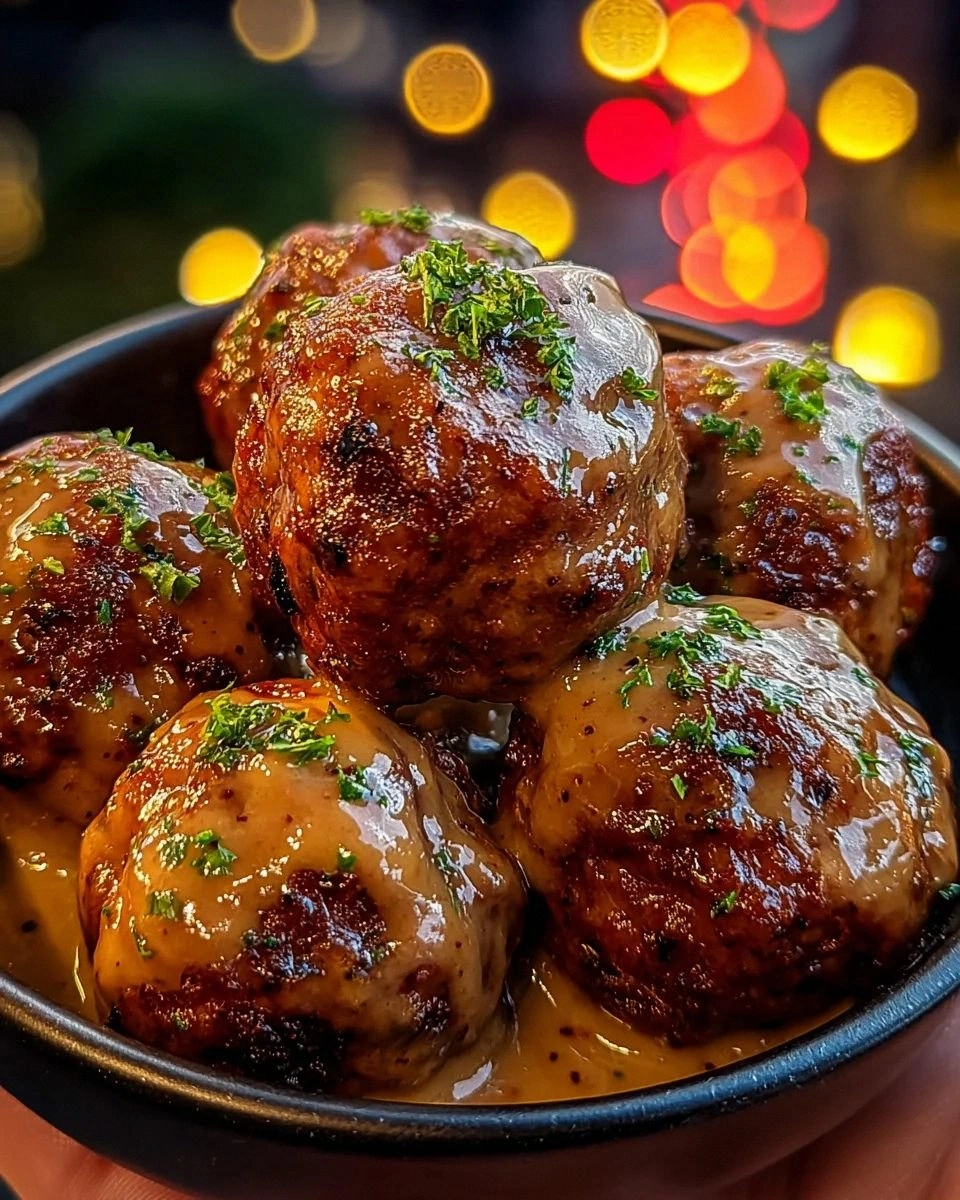
Picture this: the first bite hits you with a caramelized crust that crackles like thin ice under a boot, then melts into a juicy interior that whispers of rosemary‑kissed beef, while the smoky honey mustard glaze drapes over it like velvet, sweet and tangy, with a whisper of smoked paprika that makes your nostrils do a happy dance. The sound of the skillet sizzling is a siren song, the aroma is a smoky‑sweet perfume that makes you want to inhale deeply until you’re practically crying with joy, and the texture? Think of a perfect balance between a firm bite and a melt‑in‑your‑mouth sigh. I dare you to taste this and not go back for seconds, because once you’ve experienced this, ordinary meatballs will feel like a sad, soggy excuse.
Most recipes get this completely wrong. They either drown the meat in sauce, leaving you with a soggy mess, or they forget the glaze entirely, resulting in a bland, one‑dimensional bite. Here’s what actually works: a lean ground beef foundation that keeps the meatballs light, a breadcrumb‑and‑Parmesan combo that adds a subtle crunch, and a secret weapon—smoked paprika—that lifts the entire dish into the stratosphere of flavor. I’ll be honest — I ate half the batch before anyone else got to try it, and that was the best mistake I ever made. The secret? A quick sear followed by a slow bake that locks in juices and creates that perfect caramelized edge.
Now, brace yourself for a technique that will make you feel like a culinary wizard: I’m talking about a quick deglaze with apple cider vinegar that creates a glossy, tangy base for the sauce, then finishing with honey and Dijon to create a glaze that clings to each meatball like a lover’s embrace. Okay, ready for the game‑changer? This next part? Pure magic. Let me walk you through every single step — by the end, you’ll wonder how you ever made it any other way.
What Makes This Version Stand Out
- Taste: The smoky honey mustard glaze delivers a perfect balance of sweet, tangy, and smoky notes that dance on the palate, making each bite unforgettable.
- Texture: A crisp, caramelized exterior gives way to a juicy, tender interior, creating a satisfying contrast that keeps you reaching for more.
- Simplicity: Only fourteen ingredients, most of which you probably already have, mean you can throw this together without a pantry raid.
- Uniqueness: The combination of smoked paprika in both the meatball mix and the sauce layers the smokiness, something you rarely find in standard BBQ meatball recipes.
- Crowd Reaction: Expect “wow” and “again?” from friends, family, and even that picky cousin who only eats plain chicken nuggets.
- Ingredient Quality: Using lean ground beef and fresh parsley ensures the flavor shines without unnecessary greasiness.
- Cooking Method: A quick sear followed by a gentle bake locks in moisture while developing that coveted caramel crust.
- Make‑Ahead Potential: These meatballs freeze beautifully, and the sauce can be reheated without losing its glossy sheen.
Inside the Ingredient List
The Flavor Base
Ground beef is the heart of this dish. I recommend a 90/10 lean‑to‑fat ratio; it provides enough fat to keep the meatballs juicy without turning the pan into a greasy swamp. If you opt for a leaner blend, you might notice the meatballs dry out, so consider adding a splash of olive oil or a tablespoon of grated zucchini to compensate. When selecting beef, look for a bright red color and a faint scent of iron — that’s freshness you can taste. Skipping this step and using pre‑ground meat from the freezer often results in a bland, rubbery texture that no amount of sauce can fix.
The Texture Crew
Breadcrumbs act as a binder and give the meatballs a subtle crumb that keeps them from becoming dense. I love using panko for a lighter feel, but any plain breadcrumb will do, and gluten‑free options work just as well. Grated Parmesan cheese adds a salty, umami punch that deepens the overall flavor profile. If you’re dairy‑free, try a nutritional yeast sprinkle; it won’t melt the same way, but it will still give you that cheesy depth. The large egg is the classic binding agent; it helps the mixture hold together during that high‑heat sear, preventing a crumbly disaster.
The Unexpected Star
Smoked paprika is the secret sauce (literally). It injects a wood‑smoked aroma that pairs beautifully with the honey’s sweetness, creating a flavor duet that feels like a backyard BBQ and a gourmet kitchen at the same time. If you can’t find smoked paprika, regular paprika plus a pinch of liquid smoke will do the trick, but the depth won’t be as nuanced. Fresh parsley brings a bright, herbaceous note that cuts through the richness, while garlic and onion powder lay the aromatic foundation. Remember, garlic powder is a shortcut; fresh minced garlic gives a sharper bite, but the powder ensures an even distribution throughout the mix.
The Final Flourish
Honey and Dijon mustard are the dynamic duo of the glaze. Honey’s natural sugars caramelize quickly, giving the sauce that glossy, sticky finish, while Dijon adds a tang that balances the sweetness and lifts the flavor. Apple cider vinegar contributes a bright acidity that prevents the glaze from feeling cloying and helps the sauce cling to the meatballs like a second skin. Salt and black pepper are the universal enhancers; a pinch of each brings all the flavors into harmony. If you’re watching sodium, season lightly and adjust after the sauce has reduced — you’ll always have room to add more, never less.
Everything's prepped? Good. Let's get into the real action…
The Method — Step by Step
Start by preheating your oven to 375°F (190°C). While the oven warms, grab a large mixing bowl and combine the ground beef, breadcrumbs, grated Parmesan, chopped parsley, minced garlic, onion powder, smoked paprika, regular paprika, and a generous pinch of salt and pepper. I like to use my hands here because the tactile feedback tells you when the mixture feels cohesive but not over‑mixed. Over‑mixing can lead to tough meatballs, so stop once everything is just combined.
Crack the egg into the bowl, then give the mixture another gentle fold. The egg will act like a glue, ensuring each meatball holds its shape during the sear. At this point, taste a tiny raw piece (quickly, then discard) to check seasoning; you might need a pinch more salt or a dash of black pepper. Power transition: Okay, ready for the game‑changer?
Using a tablespoon or an ice‑cream scoop, portion the mixture into uniform balls about the size of a golf ball. Place them on a parchment‑lined tray, then pop the tray into the freezer for 15 minutes. This quick chill firms the meatballs, making them less likely to fall apart when they hit the hot pan.
Heat a large skillet over medium‑high heat and add a splash of olive oil. Once the oil shimmers, add the chilled meatballs in a single layer, making sure not to crowd the pan. Let them sizzle undisturbed for about 2‑3 minutes; you’ll hear a satisfying crackle that tells you the crust is forming. Flip each ball and sear the other side for another 2 minutes. The edges should start pulling away from the pan, a visual cue that the Maillard reaction is doing its job.
While the meatballs are searing, whisk together honey, Dijon mustard, apple cider vinegar, smoked paprika, garlic powder, and a pinch of salt in a small bowl. The mixture should look thick yet pourable; if it’s too thick, add a teaspoon of water. This sauce is the star of the show, so don’t skimp on the quality of honey — a light, floral honey will give a more nuanced sweetness than a generic clover variety.
When the meatballs are nicely browned, pour the prepared glaze over them, turning the heat down to medium‑low. Stir gently to coat each ball; you’ll notice the sauce bubbling and thickening, clinging to the meatballs like a sweet, smoky blanket. Let the mixture simmer for 5‑7 minutes, stirring occasionally, until the glaze has reduced to a glossy sheen that barely moves when you tilt the pan.
Transfer the skillet (or move the meatballs to a baking dish if your skillet isn’t oven‑safe) to the preheated oven. Bake for 12‑15 minutes, allowing the interior to reach an internal temperature of 160°F (71°C). The oven finish ensures the meatballs are cooked through without sacrificing the caramelized exterior.
Remove the meatballs from the oven and let them rest for 3 minutes. This short rest lets the juices redistribute, preventing a dry bite. Serve them hot, drizzled with any remaining glaze, and garnish with a sprinkle of fresh parsley for a pop of color. Picture yourself pulling this out of the oven, the whole kitchen smelling incredible, and the first bite sending a wave of smoky‑sweet satisfaction through your taste buds.
That's it — you did it. But hold on, I've got a few more tricks that'll take this to another level, because once you’ve mastered the basics, you can start playing with textures, flavors, and presentation like a pro.
Insider Tricks for Flawless Results
The Temperature Rule Nobody Follows
Never start with a cold pan. Let the skillet heat up for at least two minutes before adding oil; this ensures the meatballs hit a uniformly hot surface, creating that coveted crust instantly. I once tried searing on a lukewarm pan and ended up with soggy, unevenly browned meatballs that looked like they’d been boiled. The rule of thumb: medium‑high heat for the sear, then drop to medium‑low when you add the glaze to avoid scorching.
Why Your Nose Knows Best
Your sense of smell is the secret gauge for doneness. When the glaze starts to caramelize, you’ll catch a sweet, almost burnt aroma that signals the sugars are reaching the perfect stage. If you smell a bitter, acrid scent, you’ve crossed the line into burnt territory. Trust that nose; it’s more reliable than a timer.
The 5‑Minute Rest That Changes Everything
Resting isn’t just for steaks. Letting the meatballs sit for five minutes after the oven gives the internal juices a chance to settle, preventing a flood of liquid when you bite in. Skipping this step is a common mistake; the first bite can feel dry, and you’ll lose the luscious sauce that should coat the interior.
Sauce Consistency Control
If your glaze looks too runny after the simmer, whisk in a teaspoon of cornstarch slurry (1 tsp cornstarch mixed with 1 tbsp cold water). This will thicken it without altering the flavor. Conversely, if it’s too thick, a splash of water or extra apple cider vinegar will loosen it up while preserving the glossy finish.
The Secret of Fresh Herbs
Add fresh parsley at the very end, just before serving. Heat kills the bright, peppery flavor of parsley, turning it into a dull green garnish. By sprinkling it fresh, you preserve that pop of herbaceous freshness that cuts through the sweet‑smoky glaze.
Creative Twists and Variations
This recipe is a playground. Here are some of my favorite ways to switch things up:
Maple‑Bourbon Glaze
Swap honey for maple syrup and add a tablespoon of bourbon to the glaze. The result is a deeper, caramel‑rich flavor with a whisper of warmth that’s perfect for fall gatherings.
Asian‑Inspired Soy‑Ginger Drizzle
Replace Dijon with soy sauce, add freshly grated ginger, and finish with a dash of sesame oil. This version pairs beautifully with steamed rice or a simple cucumber salad.
Spicy Chipotle Kick
Add a teaspoon of chipotle in adobo sauce to the glaze and increase smoked paprika by half a teaspoon. The smoky heat will make your guests reach for a glass of milk — in a good way.
Herb‑Infused Parmesan
Mix the grated Parmesan with dried oregano, thyme, and a pinch of lemon zest before folding it into the meatball mix. This gives the meatballs an aromatic, Mediterranean twist.
Veggie‑Boosted Meatballs
Finely grate a carrot and a zucchini, squeeze out excess moisture, and incorporate them into the meat mixture. You’ll add hidden veggies, extra moisture, and a subtle sweetness that pairs nicely with the glaze.
Storing and Bringing It Back to Life
Fridge Storage
Allow the meatballs to cool to room temperature, then place them in an airtight container. They’ll keep for up to four days. When you’re ready to eat, reheat gently in a skillet over medium heat, adding a splash of water or broth to keep them moist.
Freezer Friendly
Freeze the cooked meatballs on a parchment sheet in a single layer, then transfer to a zip‑top bag. They’ll stay perfect for three months. To reheat, thaw overnight in the fridge, then bake at 350°F (175°C) for 10‑12 minutes, or microwave with a drizzle of water to restore the glaze’s shine.
Best Reheating Method
The secret to revival is steam. Place the meatballs in a shallow pan, add a tablespoon of water, cover tightly with foil, and heat on low for 5‑7 minutes. The steam keeps the interior juicy while the glaze re‑adheres, making them taste almost as fresh as the first time.